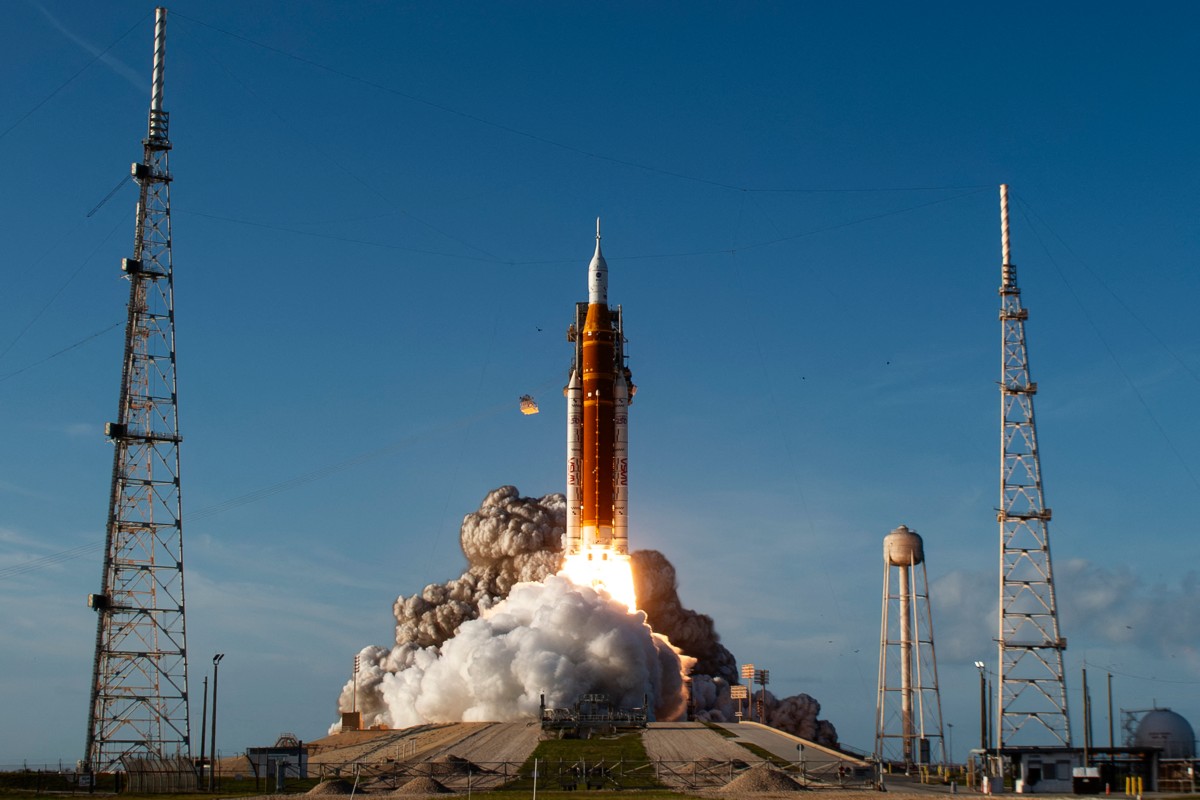
NASA has given the green light for the Artemis II crew to leave Earth orbit and begin their journey toward the Moon, marking the first crewed lunar flyby mission in over 50 years.
NASA Flight Director Jeff Radigan confirmed that the mission management team approved a critical engine burn of the Orion capsule.

The burn, lasting 5 minutes and 49 seconds, is set to place the spacecraft on a trajectory toward the Moon for a three-day journey, the first of its kind since 1972.
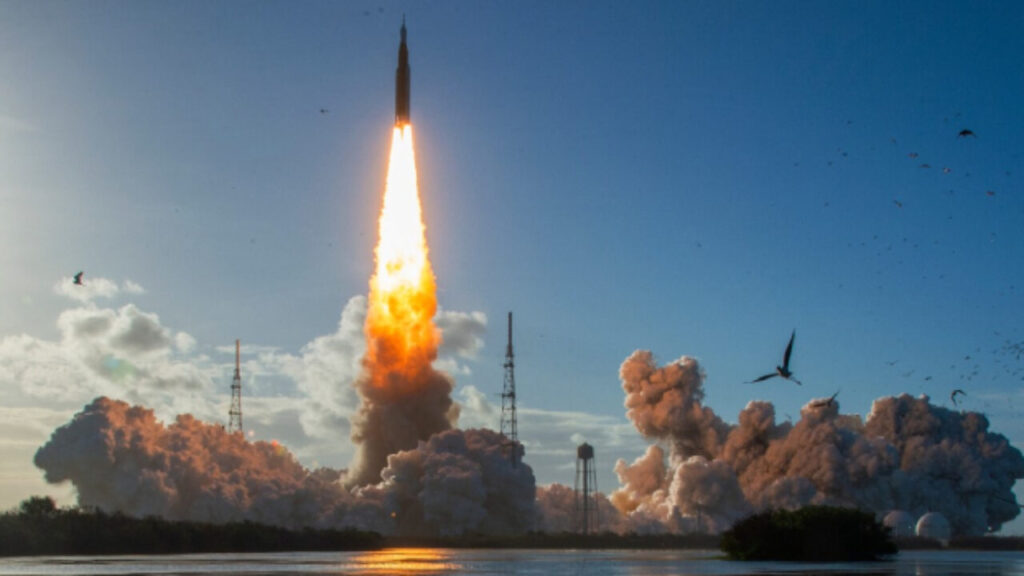
The mission launched aboard the powerful Space Launch System (SLS) from the Kennedy Space Center. The rocket carried astronauts Reid Wiseman, Victor Glover, Christina Koch, and Jeremy Hansen into orbit.
During their initial hours in space, the crew conducted system checks and resolved minor issues, including a temporary communication glitch and a malfunction involving the spacecraft’s toilet. Despite these early challenges, NASA leadership confirmed the mission remains on track.
“Artemis II astronauts are doing great,” said Jared Isaacman, noting that the Orion spacecraft is performing well in its current orbit.
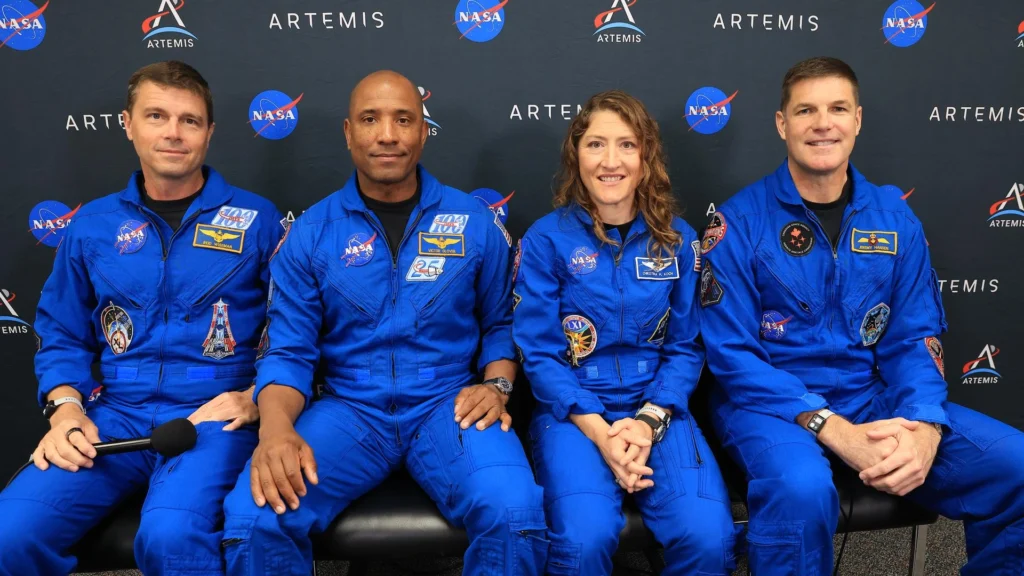
The Artemis II mission, expected to last about 10 days, will see the crew loop around the Moon as part of preparations for a future lunar landing targeted for 2028. The mission also marks several historic milestones, including sending the first woman, the first person of color, and the first non-American astronaut on a lunar mission.
If successful, the astronauts will travel more than 250,000 miles from Earth, setting a new record for the farthest distance humans have ever journeyed in space.
NASA officials, including Amit Kshatriya, confirmed that all systems are being closely monitored to ensure the spacecraft remains precisely aligned throughout its journey.
Beyond its scientific goals, the Artemis program reflects a broader geopolitical context, as the United States seeks to maintain leadership in space exploration amid competition from China, which aims to land astronauts on the Moon by 2030.
The Artemis program has also received political backing from Donald Trump, who has pushed for an accelerated timeline to achieve a Moon landing before the end of his current term.
What you should know
Artemis II is a critical step in NASA’s long-term goal of returning humans to the Moon and establishing a sustainable presence.
Unlike previous missions, it tests new spacecraft systems with a live crew, making it a high-stakes milestone. The mission also highlights increasing global competition in space, especially with China’s lunar ambitions.
Success here would pave the way for Artemis III, which aims to land humans on the Moon for the first time since the Apollo era, reshaping the future of space exploration.