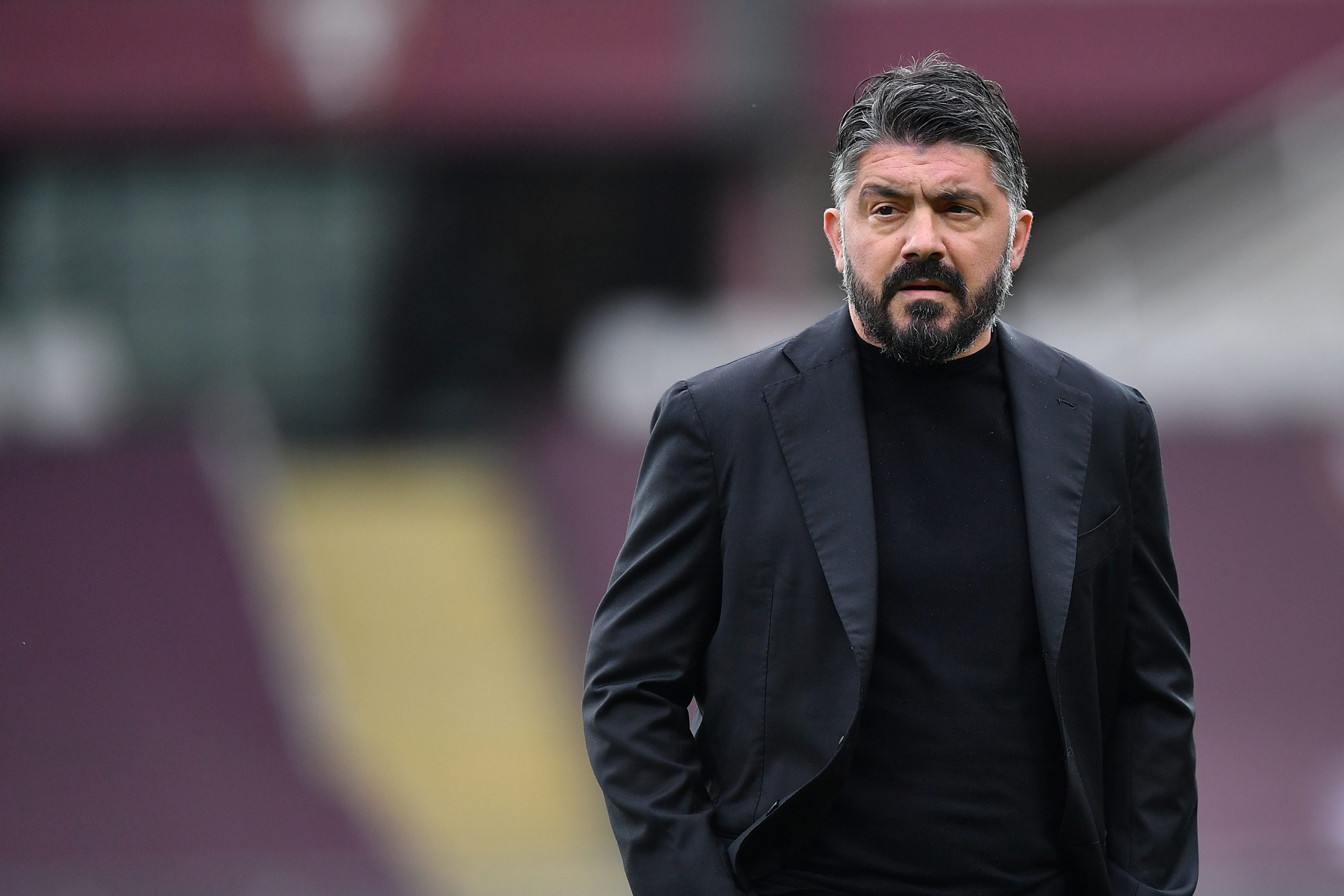
Gennaro Gattuso has stepped down as head coach of Italy national football team, following the team’s failure to qualify for a third consecutive FIFA World Cup, an outcome that has sent shockwaves through Italian football.
A member of Italy’s 2006 World Cup-winning squad, Gattuso leaves his role less than a year after taking charge, with the national team continuing to lag behind European powerhouses like France national football team and Spain national football team.
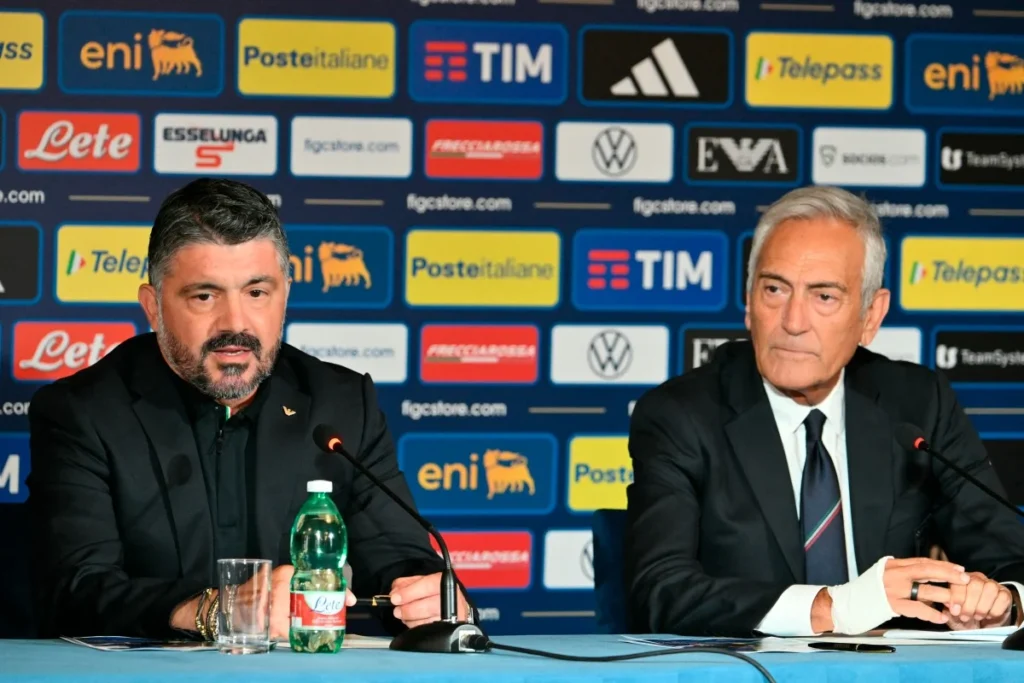
Italy’s hopes of reaching the tournament were dashed after a penalty shootout defeat to Bosnia and Herzegovina national football team in a qualification play-off final held in Zenica. The loss proved decisive, ultimately leading to Gattuso’s departure.
The fallout extended beyond the coaching staff, as Gabriele Gravina, who appointed Gattuso, also stepped down as president of the Italian Football Federation. Meanwhile, national team general manager Gianluigi Buffon also exited his role, clearing the path for Gattuso’s resignation.
Gattuso had only taken over in June last year, succeeding Luciano Spalletti, who was dismissed after a disappointing UEFA Euro 2024 campaign and a heavy 3-0 defeat to Erling Haaland’s Norway national football team in a World Cup qualifier.
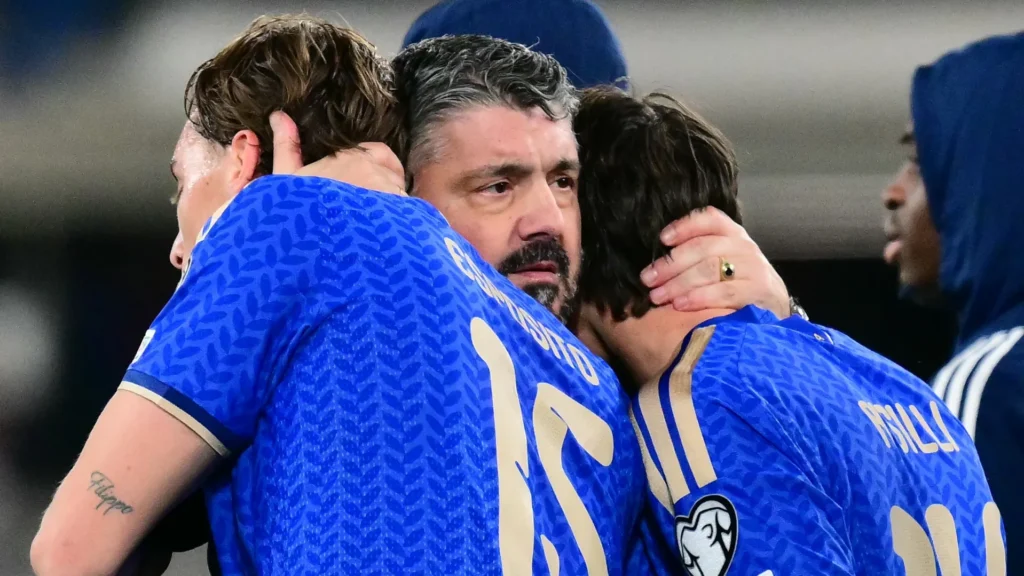
Despite posting a respectable record, six wins, one draw, and one defeat in eight matches, Gattuso’s tenure was ultimately defined by key setbacks. The 1-1 draw with Bosnia that led to the decisive shootout, along with a crushing 4-1 home loss to Norway at the San Siro, drew heavy criticism.
His appointment had already raised eyebrows due to an inconsistent club coaching career, and the failure to secure World Cup qualification intensified scrutiny from fans and analysts alike.
What you should know
Italy’s failure to qualify for another World Cup marks a significant decline for one of football’s most historic nations.
Gennaro Gattuso’s resignation, alongside key leadership exits, reflects deep structural challenges within Italian football. Despite a decent match record, crucial defeats proved costly.
The crisis highlights the growing gap between Italy and top European teams, raising urgent questions about rebuilding strategy, player development, and leadership ahead of future international competitions.