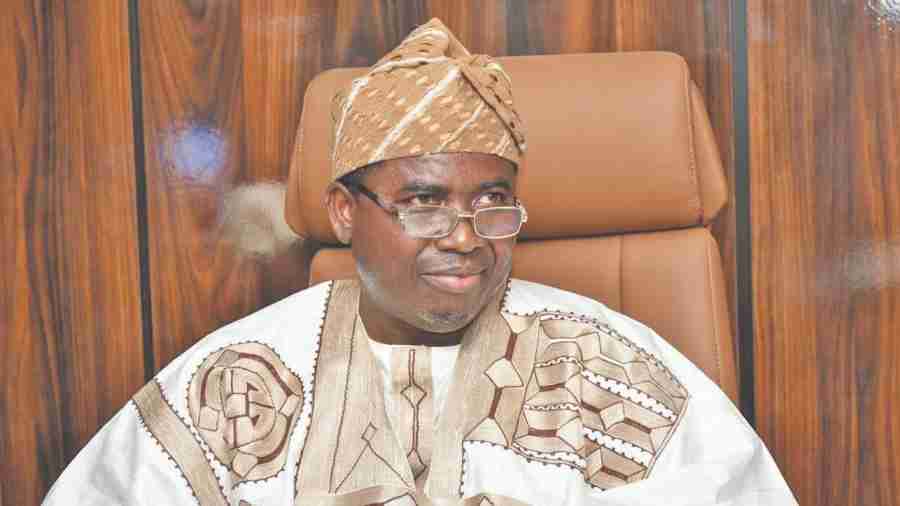
The Independent National Electoral Commission (INEC) has dismissed calls for the resignation of its Chairman, Joash Amupitan, describing such demands as a threat to the commission’s constitutional independence.
In a statement issued in Abuja, INEC’s Chief Press Secretary, Adedayo Oketola, said recent allegations of bias against the Chairman by political actors were unfounded. The statement followed the commission’s decision to comply with a ruling by the Court of Appeal.

“INEC is a creation of the Constitution. The appointment, tenure, and removal of the Chairman and National Commissioners are strictly governed by law,” the statement read.
“The Chairman does not hold office at the pleasure of any political party or interest group. Any calls for removal outside the constitutional process are a direct assault on the independence of the nation’s electoral umpire.”
INEC explained that its compliance with the court ruling was aimed at avoiding a repeat of past incidents in Zamfara and Plateau State, where elected officials lost their positions due to disobedience of judicial orders. The commission also noted that acting against a Federal High Court directive could have disrupted ongoing legal proceedings.
The electoral body rejected claims that it was undermining Nigeria’s multi-party system, pointing to its recent recognition of new political parties, including the Democratic Leadership Alliance, Nigeria Democratic Congress, and National Democratic Party. According to INEC, the number of active political parties now stands at 22.
“INEC remains a neutral regulator, not a participant in political competition,” the commission emphasized.
On the planned nationwide voter revalidation exercise, INEC clarified that the initiative predates Amupitan’s appointment and is strictly administrative. The exercise will be conducted across all Local Government Areas and Polling Units to verify voter status, eliminate multiple registrations, and remove deceased individuals from the voter register.
“Revalidation is essential to strengthen the integrity of the National Register of Voters,” the statement added, noting that the process will include digital options and is not targeted at any specific group or political party.
INEC also reaffirmed its focus on preparations for upcoming off-cycle elections in Ekiti and Osun states in 2026, cautioning against the politicisation of its administrative decisions.
“Our allegiance is to the Constitution and the will of the Nigerian people. Calls for the resignation of Professor Amupitan are out of place,” the commission concluded.
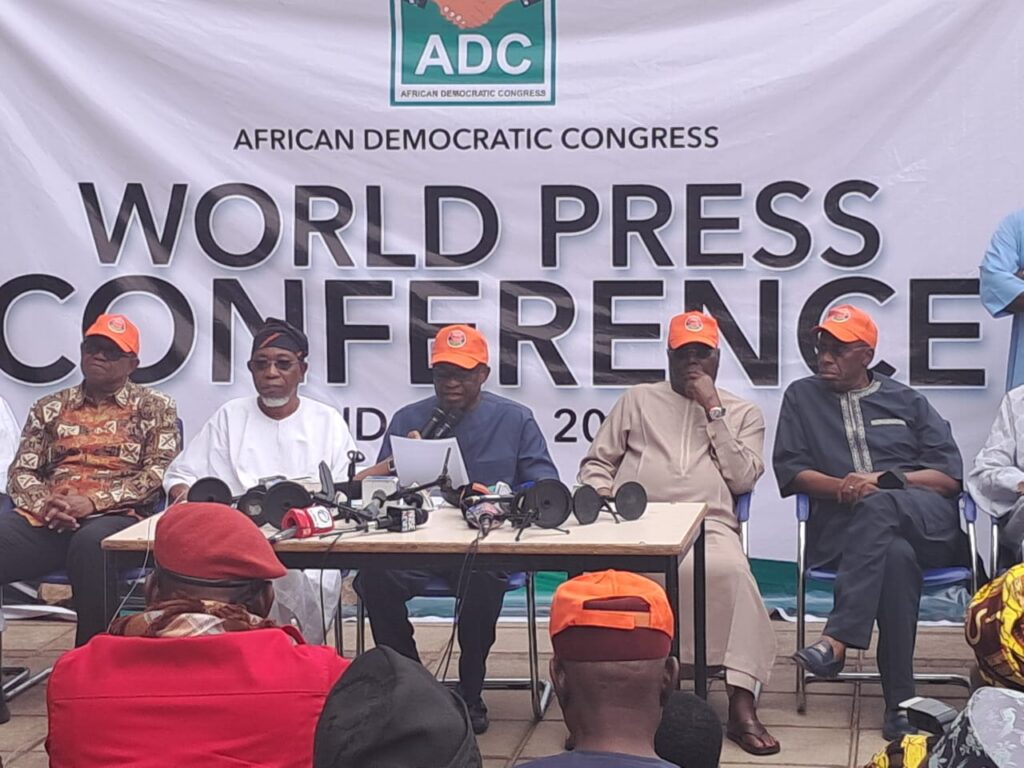
The statement comes in response to criticism from the African Democratic Congress (ADC), whose National Chairman, David Mark, had earlier demanded the immediate resignation of the INEC Chairman.
Mark accused the commission of partisanship and undermining democracy, alleging that INEC unlawfully interfered in the party’s internal leadership dispute and defied a Court of Appeal ruling by withdrawing recognition of its leadership.
He also linked the development to a broader political agenda, accusing the administration of Bola Tinubu of attempting to weaken opposition parties ahead of the 2027 general elections.
What you should know
The standoff between INEC and the ADC highlights rising political tension ahead of the 2027 elections.
While INEC insists it is acting within constitutional limits and court directives, opposition parties question its neutrality. The dispute underscores broader concerns about electoral credibility, judicial interpretation, and political competition in Nigeria.
How this conflict is resolved could significantly impact public trust in the electoral process and shape the dynamics of upcoming elections, particularly as preparations intensify for off-cycle polls in Ekiti and Osun.