The Independent National Electoral Commission has announced a strategic adjustment to the timetable for the 2027 general elections, granting political parties more time to submit their official registers of members.
The decision follows a meeting held on Tuesday between the Commission and leaders of political parties, where concerns were raised regarding the initial deadline for submission.
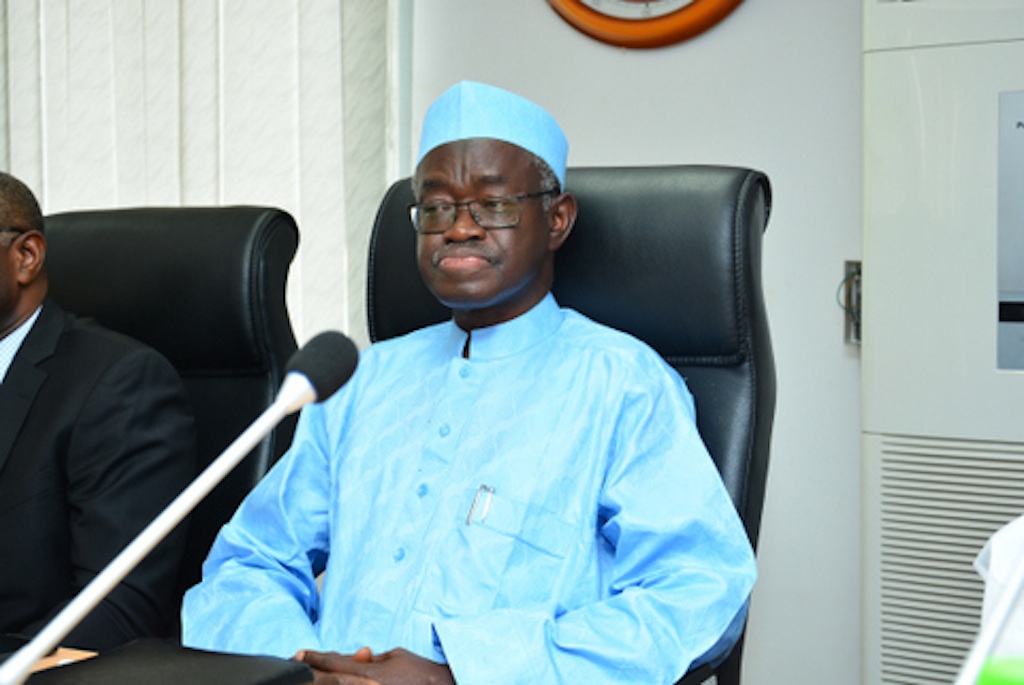
In a statement issued on Friday night, the INEC National Commissioner and Chairman of its Information and Voter Education Committee, Mohammed Kudu Haruna, explained that the adjustment is aimed at aligning the schedule with the 21-day requirement stipulated under “Section 77(4) of the Electoral Act, 2026,” while also accommodating dates chosen by political parties.
As a result, the final deadline for submission of party membership registers has been extended to May 10, 2026, from the earlier April 21 deadline.
Under the revised timetable, political parties are now “free to fix the dates of their primaries within the approved period from the 23rd of April 2026 to the 30th of May 2026.”
However, INEC stressed that each party must submit its register of members “not later than 21 days before the holding of their respective primaries.”
Haruna highlighted that the changes are necessary to ensure a smooth and efficient electoral process, urging political parties to strictly comply with the updated timeline to avoid disruptions ahead of the 2027 elections.
He cautioned that adherence to the new schedule is critical in preventing procedural delays and maintaining the integrity of the electoral process.
What you should know
The timetable adjustment by the Independent National Electoral Commission is a crucial step in preparing for the 2027 general elections.
By extending the deadline for submission of party membership registers, INEC is allowing political parties more flexibility to organize their internal processes while still complying with legal requirements under the Electoral Act, 2026. The 21-day rule ensures transparency and proper verification before primaries.
This move is expected to reduce disputes, improve coordination, and support a more credible and orderly election process across Nigeria.