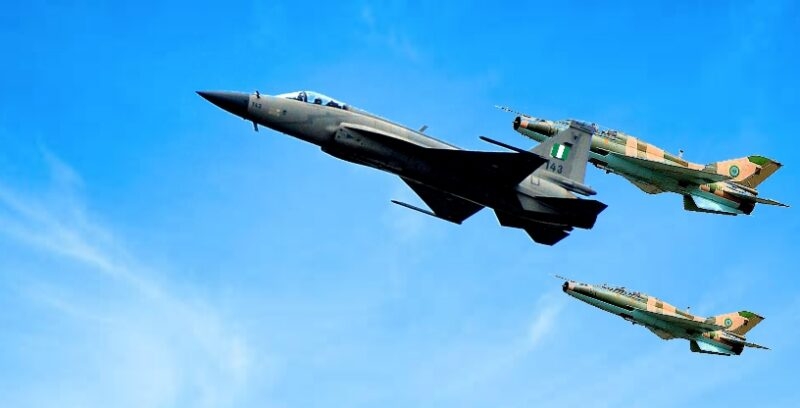
Nigeria and the United States have carried out fresh coordinated strikes against Islamic State-linked militants in northeast Nigeria, according to the US military.
The US Africa Command (United States Africa Command) said the strikes were conducted on Sunday as part of ongoing counterterrorism operations in the region.
In a statement, Africom said intelligence confirmed that the targets were ISIS fighters. It added that assessments of the operation were still ongoing and confirmed that no US or Nigerian personnel were harmed.
The operation comes just two days after both countries announced a separate joint mission that reportedly killed Abu-Bilal al-Minuki, described as a senior Islamic State figure and the group’s second-in-command globally.
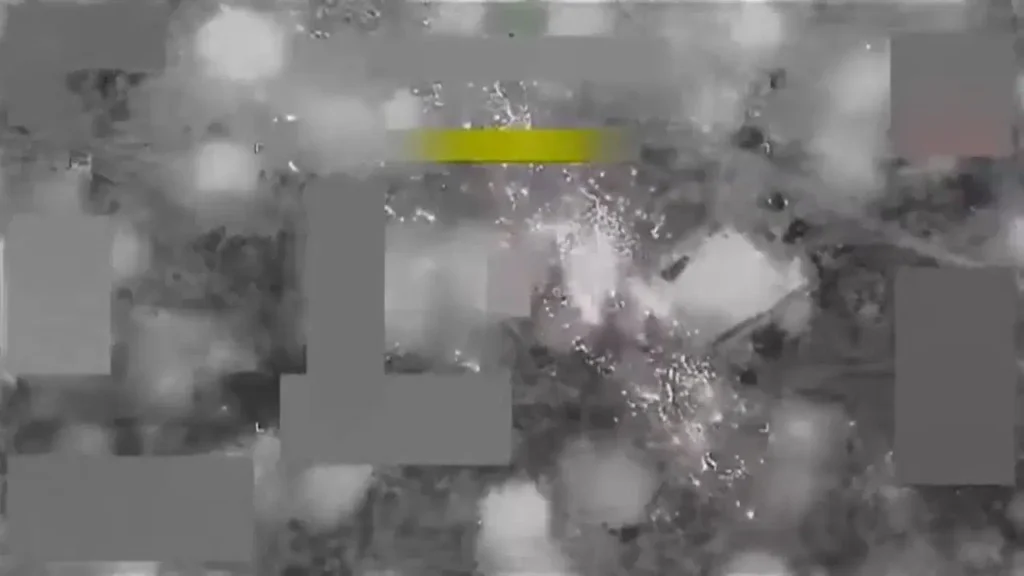
That earlier operation was also carried out with support from the Nigerian Armed Forces and was presented as part of expanding security cooperation between Washington and Abuja.
Northern Nigeria has continued to face persistent insecurity, driven by jihadist groups linked to the Islamic State in West Africa Province (ISWAP) as well as armed criminal gangs responsible for mass kidnappings and attacks on rural communities.
The renewed strikes highlight ongoing efforts by both countries to weaken extremist networks operating across the Lake Chad Basin.
The insecurity has also drawn international attention, including criticism from US President Donald Trump, who has alleged persecution of Christians in Nigeria. However, Nigerian authorities have consistently rejected claims of religious targeting, insisting that both Christians and Muslims are victims of extremist violence.
What You Should Know
These latest strikes signal an intensified phase of US–Nigeria military cooperation in the fight against ISIS-linked groups in the northeast.
While such operations can disrupt militant networks, they also reflect the long-running security challenges in the Lake Chad region, where insurgent groups remain highly adaptive.
The involvement of US Africa Command shows continued American interest in stabilising West Africa’s counterterrorism landscape.
At the same time, Nigeria’s government continues to balance foreign military collaboration with domestic concerns about sovereignty and civilian protection, as the conflict remains unresolved.