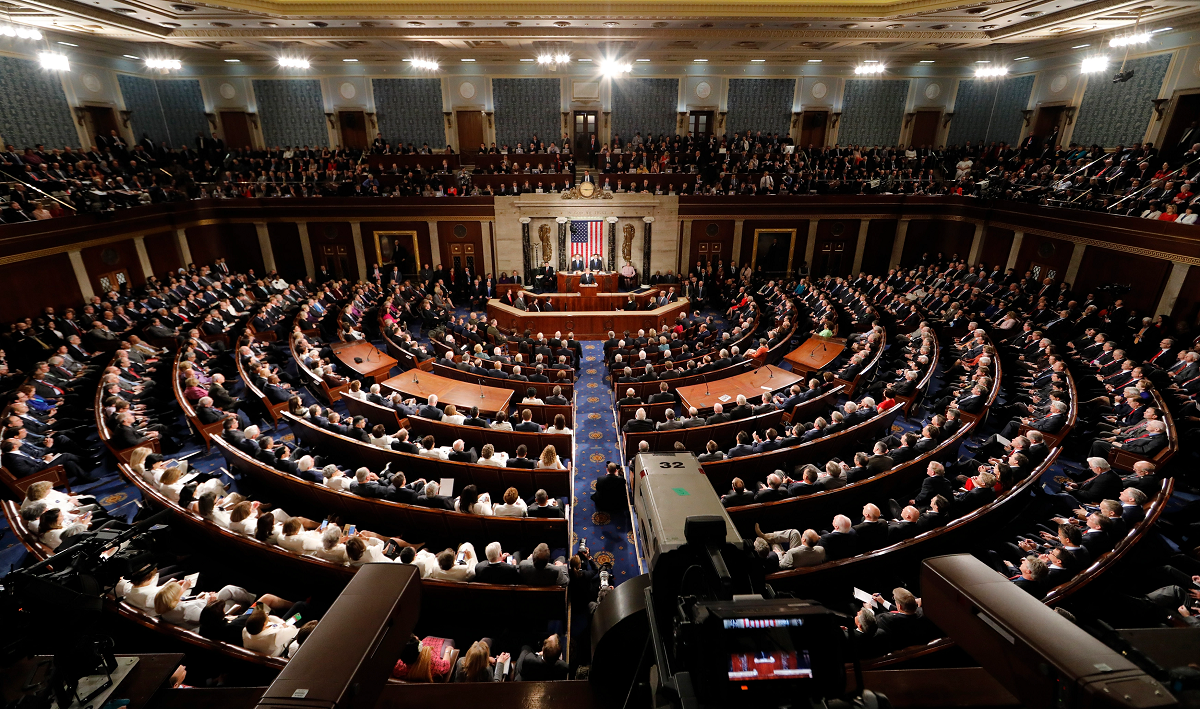
The US Congress is set to vote this week on motions aimed at limiting President Donald Trump’s authority as he wages war against Iran, though the Republican majority is widely expected to shield him.
Since returning to the White House in 2025, Trump has sought to expand executive power, prompting some lawmakers to push back and reassert Congress’s constitutional role as the sole body empowered to declare war.
Kaine Pushes War Powers Resolution
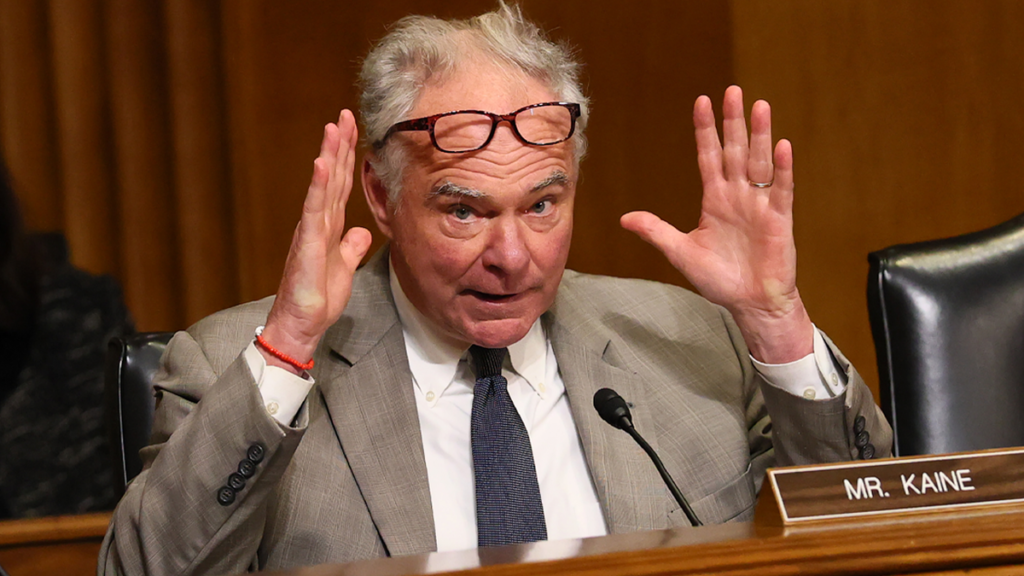
Democratic Senator Tim Kaine has been among the most vocal critics.
“Trump has launched an unnecessary, idiotic, and illegal war against Iran,” Kaine wrote on X after US and Israeli forces began coordinated strikes.
In January, amid a major US military buildup in the Middle East, Kaine introduced a resolution requiring the president to obtain congressional authorisation before engaging in military conflict with Iran. He has since urged Congress to return from recess to vote on the measure.
Writing in The Wall Street Journal, Kaine argued there was no imminent threat from Iran justifying war.
“As a member of key legislative committees with access to classified information, I can state plainly that there was no imminent threat from Iran to America sufficient to warrant committing our sons and daughters to another war in the Middle East,” he wrote.
Legal Debate Over War Powers
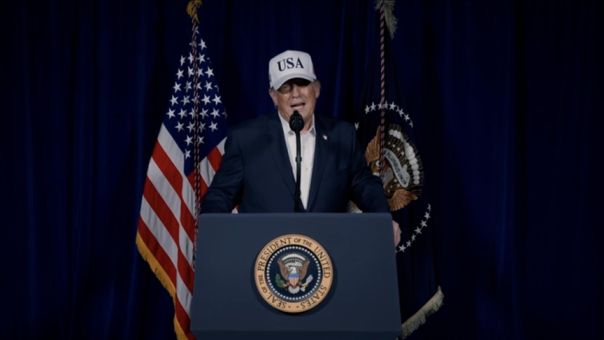
At the heart of the dispute is whether Trump’s actions comply with US law.
While only Congress can formally declare war, the War Powers Act allows a president to initiate limited military action in response to an emergency created by an attack on the United States. The law requires the president to seek congressional approval if hostilities continue beyond 60 days.
In announcing the military campaign, Trump described Iran as posing an “imminent” threat. However, critics argue that the administration has not sufficiently explained the urgency of the action.
Daniel Shapiro of the Atlantic Council said the administration failed to clearly outline the strategic objectives or brief Congress in the customary manner, aside from notifying eight congressional leaders shortly before the strikes began.
The White House has maintained that those leaders received formal notice of hostilities before operations commenced.
Bipartisan Effort in the House

In the House of Representatives, Republican Congressman Thomas Massie has joined Democratic Representative Ro Khanna to introduce legislation compelling a congressional vote on the Iran conflict.
“The Constitution requires a vote, and your Representative needs to be on record as opposing or supporting this war,” Massie wrote.
Votes are expected in both the Senate and the House this week. However, most Republicans oppose efforts to restrict Trump’s authority, making passage uncertain.
Even if the measures succeed, they would likely face a presidential veto. Overriding such a veto would require a two-thirds majority in both chambers—a threshold considered highly unlikely.
What you should know
US lawmakers are set to vote on resolutions seeking to limit President Donald Trump’s war powers in the ongoing conflict with Iran.
Critics argue Congress was not properly consulted and question whether an imminent threat justified military action.
However, the Republican majority is expected to block the measures, and any passed legislation would likely face a presidential veto.