Gold surged over 2% Monday as Middle East tensions escalated after the U.S.-Israel strike killed Iran’s Supreme Leader Khamenei.
The attack has ignited fears of a protracted regional conflict, driving investors toward safe-haven assets amid mounting global economic uncertainty.
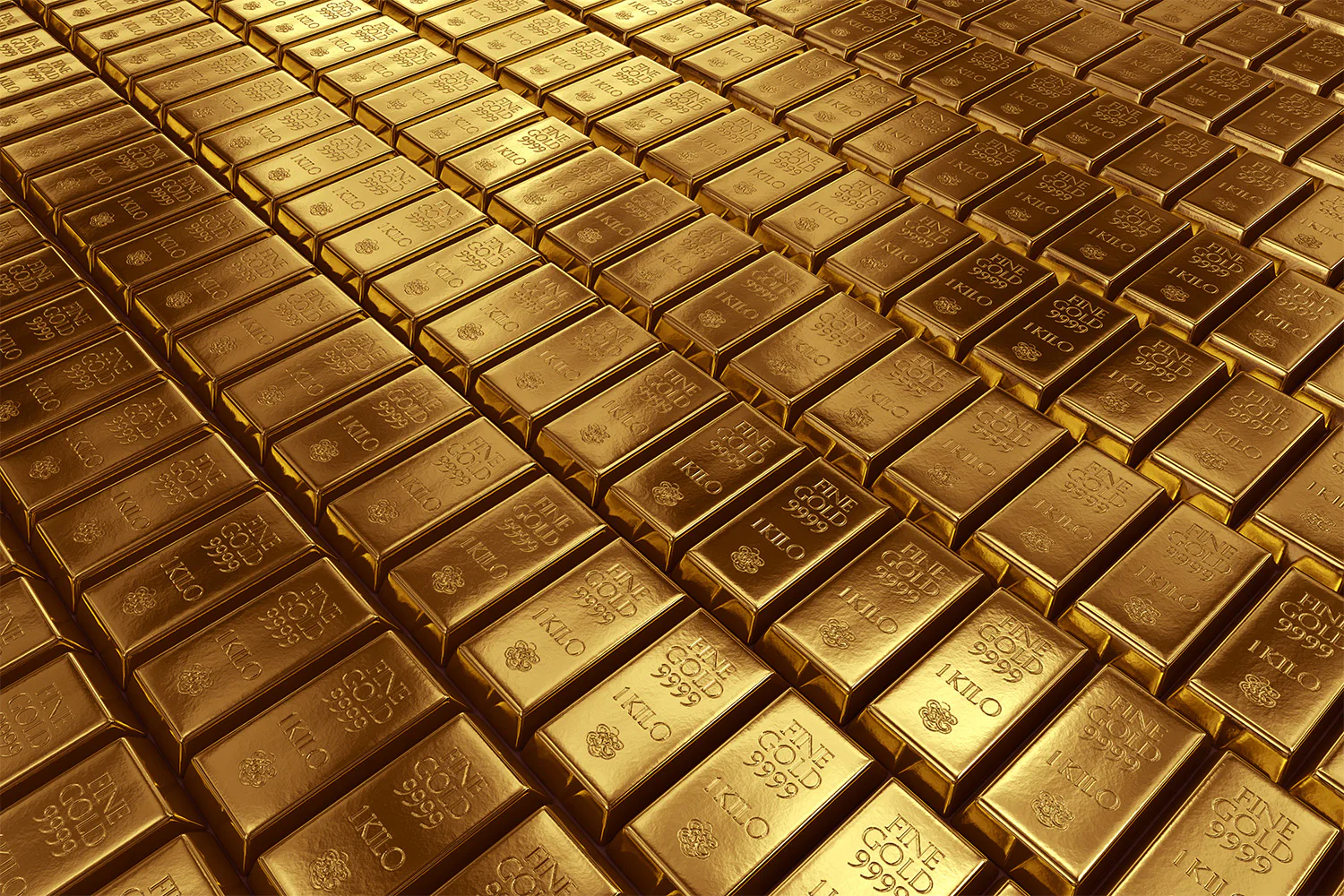
Spot gold climbed 2.3% to $5,395.99 per ounce by 0914 GMT, after touching a more than four-week high earlier in the session. This rally comes just weeks after the precious metal shattered records, peaking at $5,594.82 on January 29. Meanwhile, U.S. gold futures jumped 3.1% to $5,411.40 per ounce, reflecting heightened demand from North American markets.
The spike in gold underscores a classic flight to safety, as markets grapple with the fallout from the high-profile assassination. “What we’re seeing is an increase in safe-haven assets, which is reflected in the gains in gold and also mirrored in the losses of risk-related assets, such as stocks,” said Ricardo Evangelista, an analyst at ActivTrades.
Indeed, global equity markets tumbled, with major indices like the S&P 500 and FTSE 100 shedding over 1.5% in early trading, as traders braced for potential disruptions to the fragile post-pandemic economic recovery.
The weekend’s events unfolded rapidly: U.S. and Israeli forces launched precision strikes on Iranian targets, culminating in Khamenei’s death, which Tehran has denounced as an act of “state terrorism.”
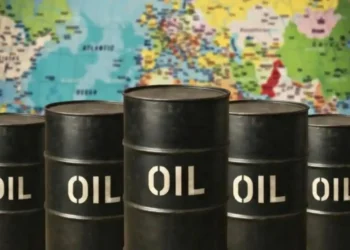
In retaliation, Iran fired missiles at several Gulf cities, including key hubs in Saudi Arabia and the United Arab Emirates, causing widespread disruption to regional air travel. More critically, Iranian forces have effectively blockaded the Strait of Hormuz—a vital chokepoint through which roughly 20% of the world’s oil supply passes—forcing tankers carrying crude and refined products to halt operations indefinitely.
Oil prices, already under pressure, spiked nearly 5% in response, stoking concerns about renewed inflationary pressures that could derail central banks’ efforts to stabilize economies.
The conflict showed no signs of abating on Monday, as Israel broadened its offensive to target Iran-backed Hezbollah militants in southern Lebanon. Airstrikes and ground incursions have intensified along the border, raising the specter of a multi-front war involving multiple actors, including potential involvement from other regional powers. Analysts warn that the standoff could persist for weeks or longer, threatening supply chains, energy security, and global trade routes.
This latest gold rally builds on a remarkable bull run for bullion, which has notched successive record highs throughout the year amid a cocktail of political and economic headwinds. Last year alone, gold prices ballooned by 64%, fueled by aggressive purchases from central banks seeking to diversify reserves, massive inflows into exchange-traded funds (ETFs), and anticipations of further monetary policy easing by the U.S. Federal Reserve. “The situation remains highly uncertain, and the escalation further fuels the bullish mood in the gold and silver markets, providing support to prices and stability to a portfolio at a time of heightened volatility in financial markets,” noted Carsten Menke, an analyst at Julius Baer.
Market participants are now turning their attention to a packed week of U.S. economic data, which could provide clues on the Federal Reserve’s next moves. Key releases include the ADP private payrolls report on Wednesday, weekly jobless claims on Thursday, and the all-important non-farm payrolls figures on Friday.
Strong labor market indicators might temper expectations for rate cuts, potentially capping gold’s upside, while any signs of weakness could amplify the safe-haven appeal.
As the Middle East teeters on the brink, gold’s role as a hedge against chaos is once again in the spotlight. With diplomatic efforts faltering—U.N. Security Council meetings have yielded little beyond condemnations—investors remain on edge, positioning for what could be one of the most turbulent periods in recent geopolitical history. Silver, often seen as gold’s more volatile cousin, also rose sharply, gaining 3.8% to $62.15 per ounce, underscoring the broader precious metals rally.
This story highlights the interconnectedness of global markets and geopolitics, where a single event can ripple across asset classes. As tensions simmer, the question on every trader’s mind is whether this is the start of a sustained gold supercycle or a temporary spike amid fleeting fears.
WHAT YOU SHOULD KNOW
Gold prices surged over 2% to near $5,400 an ounce as the killing of Iran’s Supreme Leader Ayatollah Ali Khamenei in a U.S.-Israel strike triggered fears of a wider Middle East war.
The single most critical factor driving this sharp rally is the escalating geopolitical crisis, which has already disrupted the Strait of Hormuz, sent oil prices higher, and pushed investors aggressively into safe-haven assets amid growing global uncertainty.