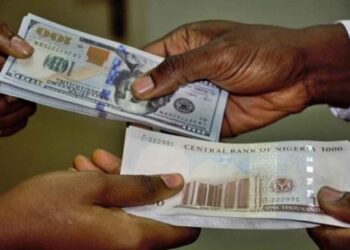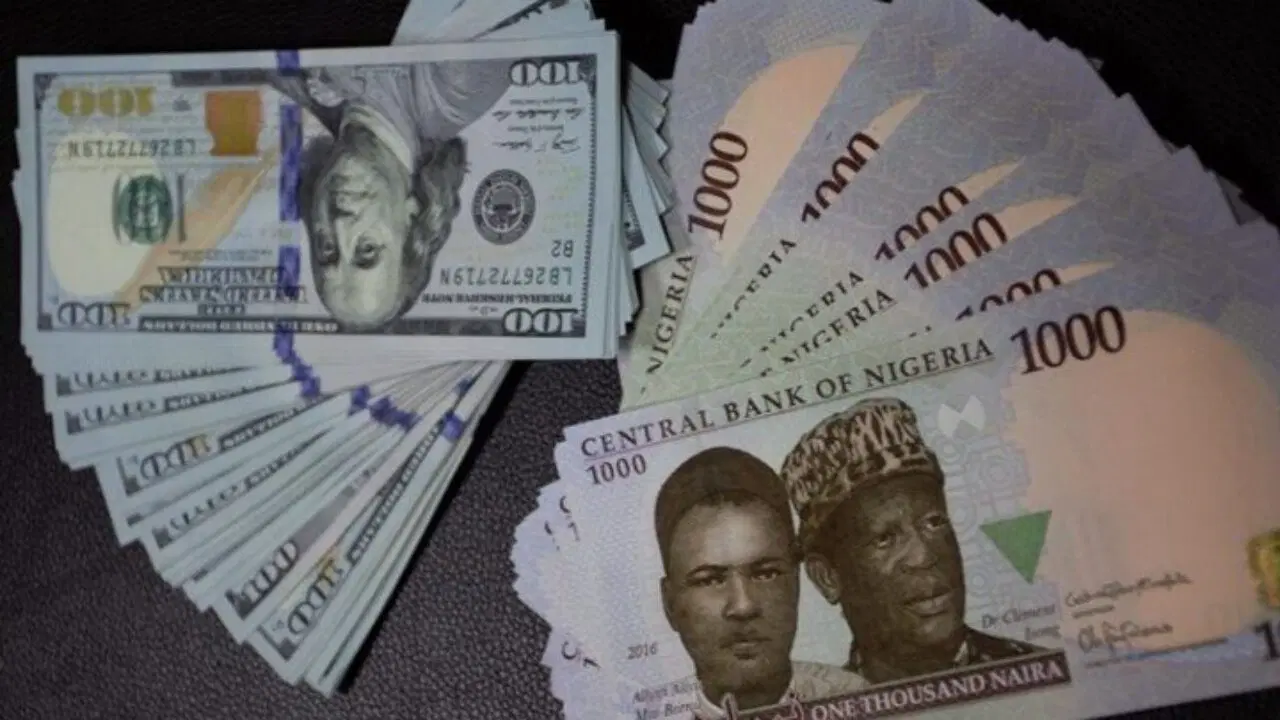
Naira held its ground against the United States dollar on Friday, maintaining a broadly stable footing in both the official and parallel foreign exchange markets as traders kept a watchful eye on liquidity conditions and underlying economic demand pressures.
Official data from the Central Bank of Nigeria’s Nigerian Foreign Exchange Market, better known in financial circles as the NFEM, showed the naira trading at approximately ₦1,361.05 to the dollar, with intra-week activity confined to a relatively tight band between ₦1,359 and ₦1,365.
For a currency that has weathered years of significant volatility, analysts noted that the narrow trading range is itself a sign of cautious but discernible stabilisation.
The relative calm on the official market did not emerge in a vacuum. Market data from earlier in the week pointed to a modest strengthening of the naira in the opening days of June, a movement attributed largely to improved foreign exchange supply and a series of sustained interventions by the apex bank designed to shore up liquidity and instill greater confidence among market participants.
Currency dealers spoken to on Friday described the mood in the market as measured and watchful rather than anxious, a notable contrast to the heightened tension that characterized trading in several sessions earlier in the year, when sharp swings tested both traders and policymakers alike.
“The market is reading signals carefully right now,” one Lagos-based currency dealer said. “Everyone is waiting to see how the key variables play out over the next few weeks.”
On the streets and in the bureaux de change that constitute Nigeria’s bustling parallel market, colloquially known as the black market, the dollar exchanged hands at between ₦1,390 and ₦1,405 on Friday, with buying rates hovering between ₦1,380 and ₦1,395 and selling rates ranging from ₦1,393 to ₦1,405, depending on location and the size of the transaction.
What is perhaps more telling than the headline figures, however, is the gap or the relative lack thereof between the official and parallel market rates. The spread, which at its most extreme had ballooned to well over ₦200 in prior months and served as a barometer of distrust in official channels, has narrowed considerably.
Market trackers and economists say this convergence reflects the cumulative impact of policy reforms introduced by the CBN to deepen transparency, improve dollar liquidity, and reduce the chronic arbitrage opportunities that had long fuelled demand for parallel market transactions.
For ordinary Nigerians and small business owners who depend on the parallel market for their foreign currency needs, a narrower spread translates directly into reduced costs and greater predictability, a development that, while fragile, has been broadly welcomed.
Despite the relative calm, seasoned market watchers are quick to caution that the naira’s stability remains contingent on a constellation of factors, several of which are either beyond Nigeria’s direct control or subject to rapid shifts.
Foreign portfolio inflows top the list of variables under scrutiny. Nigeria has, in recent months, worked to attract greater foreign investment into its fixed-income markets, and sustained inflows would provide crucial dollar liquidity to the NFEM.
Any reversal in investor sentiment driven by global risk appetite, interest rate decisions in advanced economies, or domestic political developments could quickly tighten supply and place renewed pressure on the naira.
Crude oil earnings remain equally pivotal. As Africa’s largest oil producer, Nigeria’s foreign exchange fortunes are inextricably tied to the performance of the global oil market. A sustained rally in crude prices would bolster the country’s external reserves and give the CBN greater firepower to defend the naira; a significant decline would do the opposite.
Central Bank policy, meanwhile, continues to serve as perhaps the single most immediate lever influencing the currency’s direction. Market participants are closely monitoring signals from the apex bank regarding the pace and scale of its interventions, any potential adjustments to monetary policy, and the broader framework governing how foreign exchange is allocated and accessed.
As Nigeria approaches the midpoint of 2026, the naira’s relative stability, however tenuous, represents a meaningful development for an economy that spent much of the past several years grappling with acute foreign exchange shortages, a depreciating currency, and the inflationary pressures that inevitably followed.
The road ahead remains uncertain. But for now, at ₦1,361 to the dollar in the official market and no higher than ₦1,405 in the parallel market, the naira is holding,, and in the current climate, holding is no small achievement.
WHAT YOU SHOULD KNOW
As of June 5, 2026, the Nigerian naira is trading at approximately ₦1,361 to the dollar in the official NFEM market and between ₦1,390 and ₦1,405 in the parallel market.
The narrowing gap between both rates is a quiet but significant sign that the CBN’s reform efforts are gaining traction. However, this stability remains fragile. The naira’s next move will largely be determined by crude oil earnings, foreign portfolio inflows, and Central Bank policy decisions.
For now, the currency is holding steady, but vigilance, not celebration, remains the appropriate response.