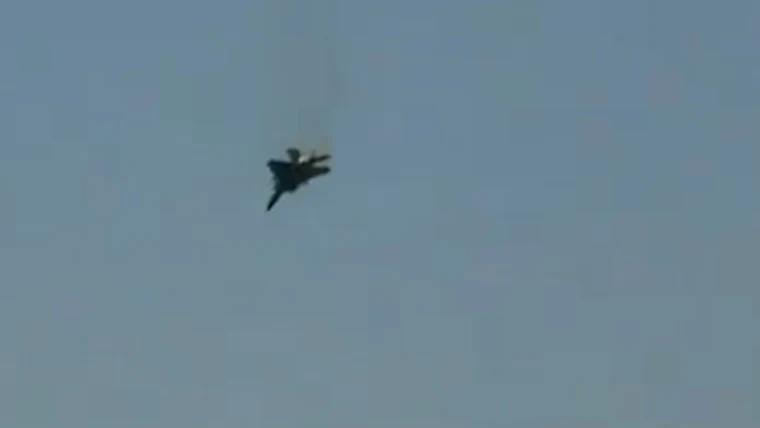
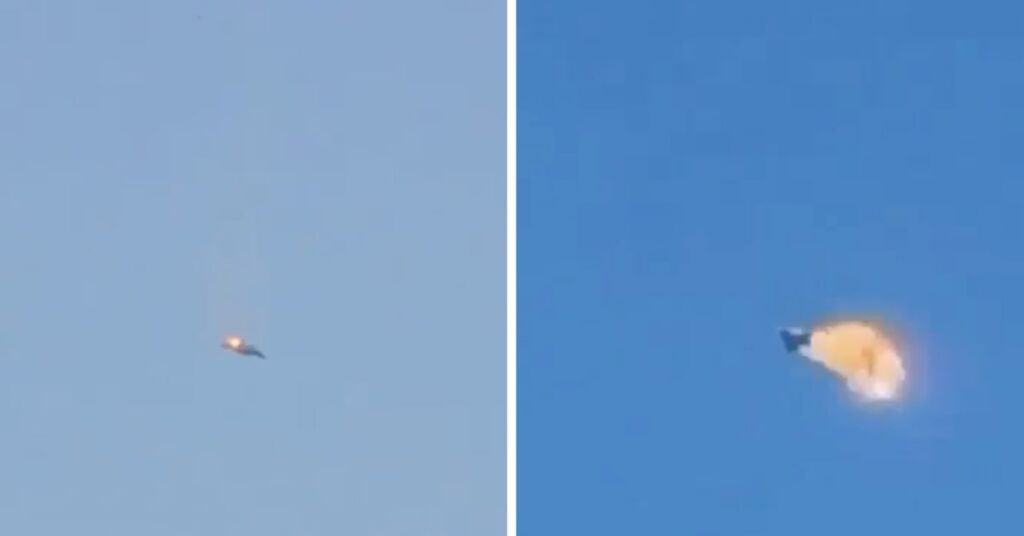
Several American warplanes crashed in Kuwait on Monday morning, but all crew members survived, Kuwait’s defence ministry said, as Iran pressed ahead with a third consecutive day of strikes across the Gulf.
“Several US warplanes crashed this morning. Confirming that all crew members survived,” a defence ministry spokesman said in a statement, adding that the cause of the incident is under investigation.

“Authorities immediately initiated search and rescue operations, evacuating the crews and transporting them to a hospital for medical evaluation and treatment. He noted that their condition is stable,” the statement added.
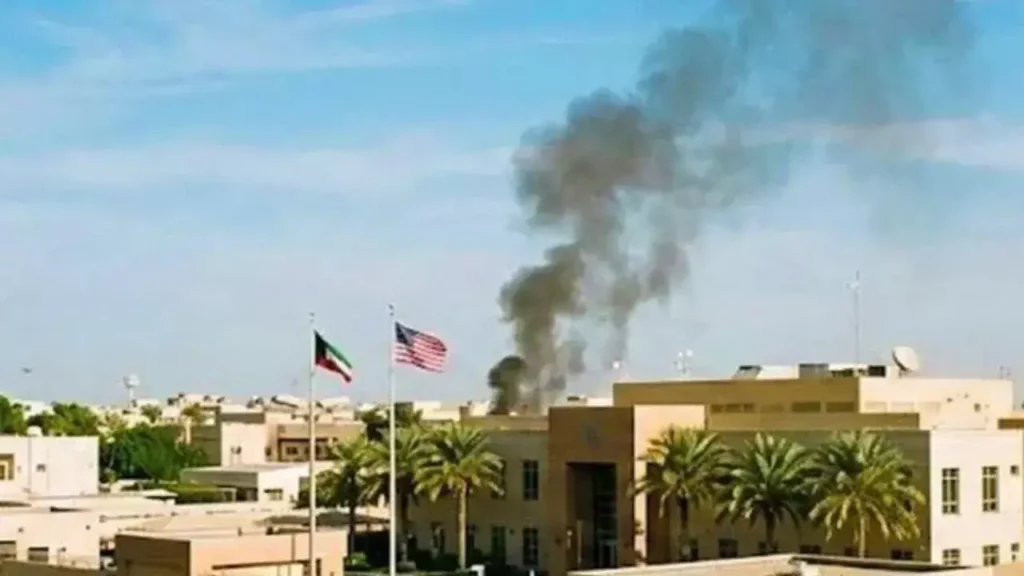
Black smoke was seen rising from the vicinity of the US embassy in Kuwait, according to an AFP correspondent, as the country faced one of its most serious security escalations in decades.
A US base and a power station were also targeted, marking what observers described as the most dramatic escalation for the small Gulf nation since the 2003 US-led invasion of Iraq and Iraq’s 1990 attempt to annex Kuwait.
Explosions were also reported over Gulf cities including Abu Dhabi, Dubai, Doha and Manama, as Iran widened its campaign against American allies in the region following the killing of its supreme leader, Ayatollah Ali Khamenei, in joint US-Israeli strikes.
The US embassy in Kuwait did not confirm it had been directly hit but issued a security alert warning of ongoing missile and drone threats.
“There is a continuing threat of missile and UAV (drone) attacks over Kuwait. Do not come to the embassy,” the statement said, adding that US personnel were sheltering in place.
Authorities across the Gulf say the Iranian strikes have so far killed five people in the region, including one person in Kuwait.
Key Sites Targeted
Witnesses in northern Kuwait reported smoke rising from a power station. The energy ministry later confirmed that a fuel container at the facility was struck by shrapnel during air defence interceptions, causing a limited fire.
Iran’s army said it targeted the Ali Al Salem air base, which hosts US troops, and also fired 15 cruise missiles at vessels in the Indian Ocean.
Shrapnel also fell at Mina Al Ahmadi refinery, one of Kuwait’s largest oil facilities, injuring two workers but not disrupting production, according to the Kuwait National Petroleum Company.
Sirens sounded across Kuwait City to warn residents of incoming strikes, while the interior ministry said an unspecified number of drones had been intercepted at dawn.
Residents on Edge
The escalation has left residents anxious. Dana Abbas, an engineer in Kuwait City, said she rushed to refuel her car and stock up on essentials amid fears of further attacks.
On Sunday, the United Arab Emirates said debris from intercepted strikes damaged the facade of Etihad Towers in Abu Dhabi, which houses several diplomatic missions including Israel’s, causing minor injuries to a woman and a child.
Iran’s unprecedented barrage has struck not only military facilities but also civilian infrastructure, including residential buildings, hotels, airports and seaports, unsettling a region long viewed as relatively insulated from direct large-scale conflict.
What you should know
Several US warplanes crashed in Kuwait during heightened regional hostilities, but all crew members survived.
The incident occurred as Iran continued retaliatory missile and drone strikes across the Gulf following the killing of Ayatollah Ali Khamenei.
Key installations in Kuwait, including a power station and an air base hosting US troops, were targeted, while Gulf cities reported explosions and heightened security alerts amid fears of further escalation.