The Federal Government of Nigeria has officially kicked off the implementation of Executive Order 9 of 2026.
The order, signed by President Bola Tinubu on February 13, 2026, mandates the direct remittance of oil and gas revenues into the Federation Account Allocation Committee (FAAC), ensuring equitable distribution across the three tiers of government.
This development follows the inaugural meeting of the implementation committee on February 26, 2026, and is expected to curb wasteful deductions while redirecting resources toward national priorities.
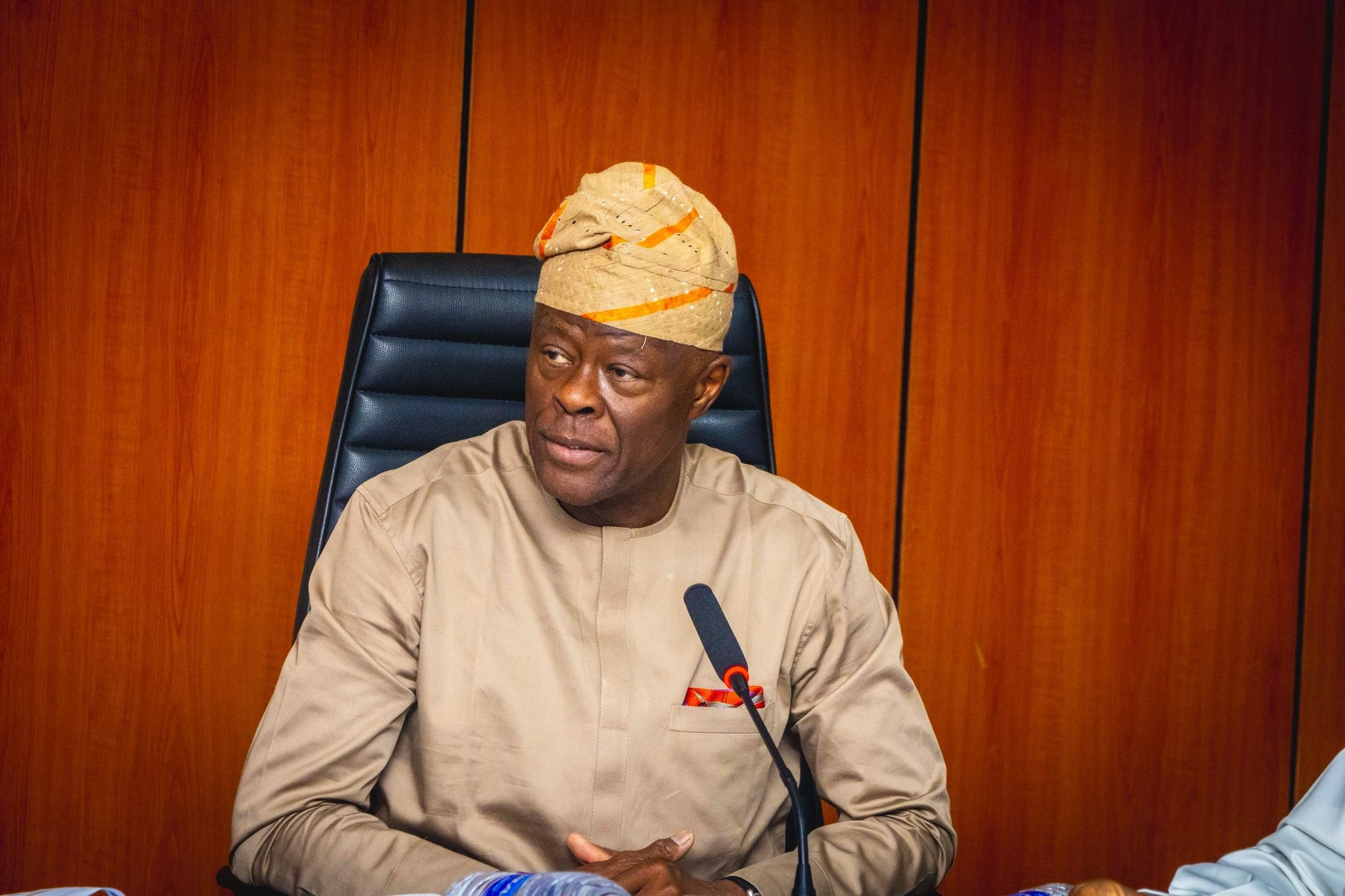
The announcement came via a statement from Wale Edun, the Minister of Finance and Coordinating Minister of the Economy, who chairs the committee.
Edun emphasized that the reforms align with constitutional provisions to protect revenues from petroleum operations. “Revenues accruing to the federation from petroleum operations must be managed in line with constitutional provisions and in a way that safeguards funds meant for the three tiers of government,” the statement read.
Key changes under the order include the immediate cessation of certain fees collected by the Nigerian National Petroleum Company (NNPC) Limited. Specifically, the 30 percent management fee and the 30 percent frontier exploration fund deductions from profit oil and profit gas under Production Sharing Contracts (PSCs) have been halted.
Additionally, remittances of gas flare penalties into the Midstream and Downstream Gas Infrastructure Fund (MDGIF) have been suspended, redirecting these funds to bolster the federation’s coffers rather than sector-specific allocations.
The executive order addresses long-standing concerns over revenue leakages in Nigeria’s oil sector, which has historically been plagued by inefficiencies and duplicative structures.
By requiring direct payments of royalty oil, tax oil, profit oil, profit gas, and other entitlements into the Federation Account, the policy aims to eliminate intermediaries and ensure that funds reach federal, state, and local governments more efficiently.
This could potentially increase monthly FAAC disbursements, providing much-needed fiscal relief amid economic challenges like inflation and infrastructure deficits.
However, recognizing the complexities of existing contracts, the committee has approved a transition period for operationalizing these direct payments. Edun noted that the shift must respect ongoing contractual and financing arrangements to maintain investor confidence in Nigeria’s oil industry.
During this interim phase, contractors will continue remitting funds under the current processes until detailed guidelines are issued. “The committee approved a defined transition period for the operationalization of direct payments by contractors of profit oil, royalty oil, and tax oil into the Federation Account,” the minister’s statement explained.
To facilitate a smooth rollout, the committee has established a technical subcommittee tasked with developing comprehensive transition guidelines within three weeks. Led by the Special Adviser to the President on Energy, the subcommittee includes high-level representatives such as the Solicitor-General of the Federation, the Permanent Secretary of the Federal Ministry of Justice, the Chairman of the Nigeria Revenue Service, and the Chairman of the Forum of Commissioners of Finance.
Secretarial support will come from the Budget Office of the Federation. Furthermore, the group will review the Petroleum Industry Act (PIA) to identify and rectify structural and fiscal anomalies that have historically impacted federation revenues.
Stakeholders have largely welcomed the initiative, with Edun commending their cooperation in ensuring that Nigeria’s vast petroleum resources translate into tangible benefits for citizens nationwide.
Critics, however, argue that the order could disrupt short-term operations for NNPC and international oil companies, potentially affecting production targets if the transition is mishandled.
Energy experts suggest that while the reforms promise greater accountability, their success hinges on robust enforcement and minimal bureaucratic delays.
As implementation progresses, the committee has pledged to provide ongoing guidance and updates. This executive order represents a bold step in President Tinubu’s economic agenda, prioritizing revenue optimization in Africa’s largest oil producer amid global shifts toward energy transition.
With oil revenues constituting a major pillar of Nigeria’s budget, these changes could reshape fiscal federalism and drive sustainable development if executed effectively.
WHAT YOU SHOULD KNOW
Nigeria has begun implementing Executive Order 9 of 2026, which forces the direct remittance of all oil revenues (profit oil, royalty oil, tax oil, and profit gas) into the Federation Account—ending NNPC’s previous deductions of 30% management fees and 30% frontier exploration funds, as well as gas flare penalty remittances to the MDGIF.
This reform is designed to significantly reduce revenue leakages, increase the actual amount of oil money reaching federal, state, and local governments, and deliver more tangible benefits to ordinary Nigerians—provided the transition is executed smoothly and transparently.