The Nigerians in Diaspora Commission (NiDCOM) has said it has not received any distress call from Nigerians residing in Iran despite escalating hostilities between the United States, Israel and Tehran.
The disclosure came as the Federal Ministry of Foreign Affairs confirmed it is closely monitoring developments across the Middle East.
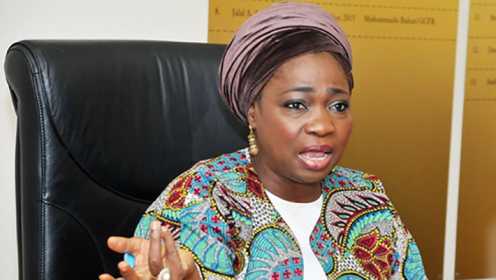
Director of Media and Public Relations at NiDCOM, Abdur-Rahman Balogun, said that while Nigerians may be present in Iran, none has officially contacted the commission for assistance.

“I’m not saying there are no Nigerians there, I’m only saying nobody has sent any distress call,” he clarified.
Balogun noted that widespread flight suspensions to the region were due to the ongoing conflict.
“You cannot fly where bombs are going up and down. No airline will fly,” he said, stressing that the restrictions affect all nationalities.
He added that any evacuation effort would depend on affected Nigerians formally requesting assistance and expressing willingness to return home.
“You cannot force them; people went there voluntarily… So people must seek for help and say, ‘our lives are in danger, can you evacuate us?’” he explained.
Balogun further stated that Nigeria currently has no national carrier operating international routes, limiting direct intervention options. However, he said the Federal Government could lease aircraft for evacuation if necessary.
“As far as I know, I’m not aware that anybody has sent a distress call,” he maintained.
Spokesman for the Ministry of Foreign Affairs, Kimiebi Imomotimi Ebienfa, said the government is weighing evacuation options once conditions stabilise.
“We are considering that option while monitoring the situation,” he said.
Protests in Lagos and Northern States
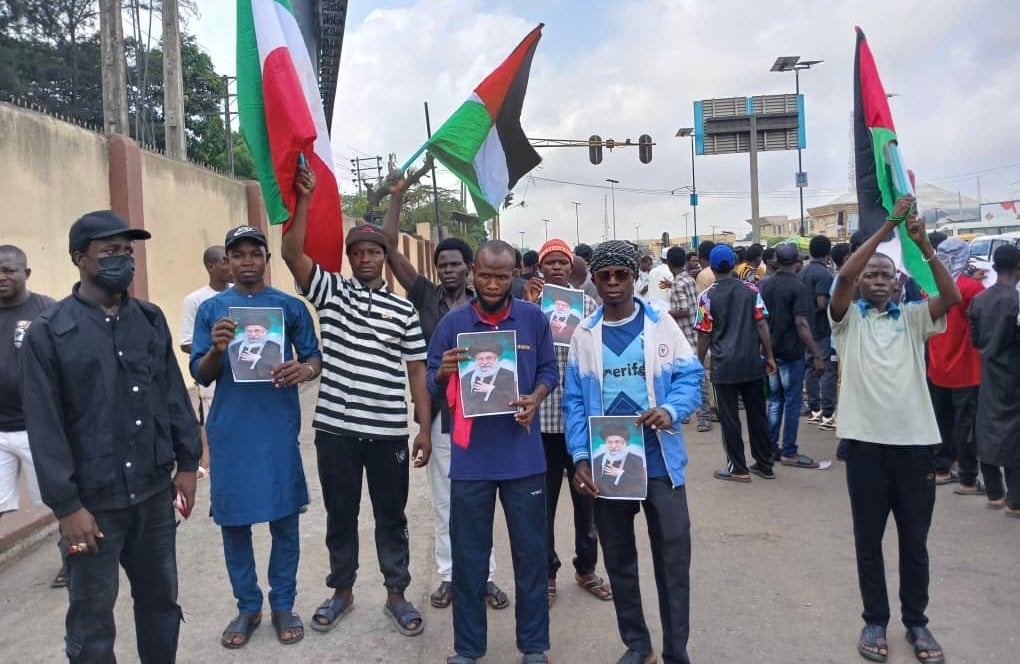
Meanwhile, members of the Islamic Movement of Nigeria (IMN), also known as Shi’ites, staged protests in Lagos and several northern states, condemning attacks on Iran and the reported killing of its Supreme Leader, Ali Khamenei.
In Lagos, dozens of protesters marched through the Maryland area, chanting anti-US and anti-Israel slogans and calling for global condemnation of foreign interventions in sovereign nations. Security operatives were deployed to prevent unrest.
IMN South-West Coordinator Muftau Zakariya said the protest was aimed at highlighting what the group described as persistent foreign interference.
“Nothing good is coming from the US intervention. It is only interested in its economic gains, not minding the consequences thereafter,” he said.
The acting Inspector-General of Police, Tunji Disu, had earlier ordered heightened security measures nationwide to forestall any fallout from international developments.
Conflict Expands Across the Region
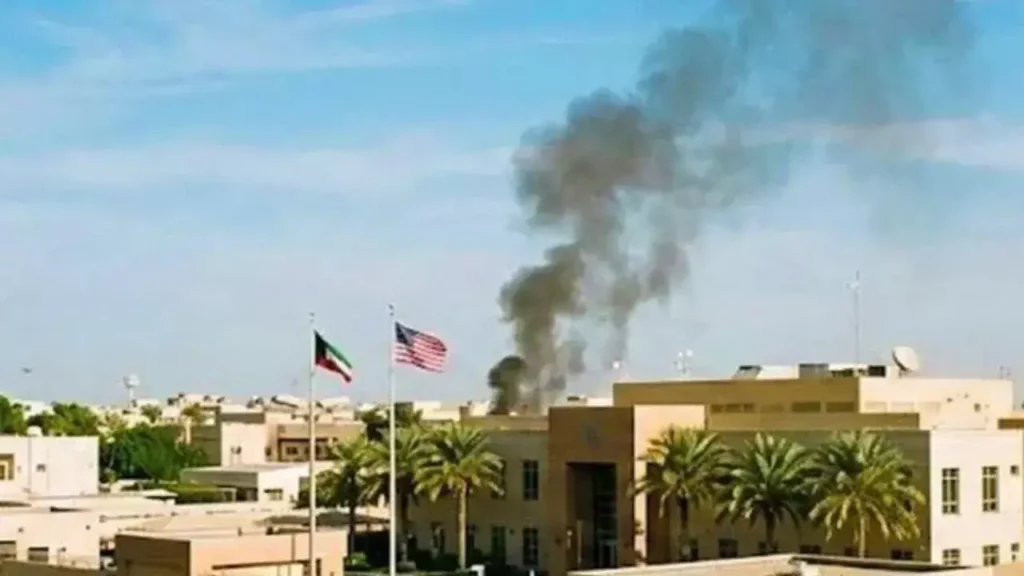
As the war widened, Lebanon-based Hezbollah reportedly targeted a British air base in Cyprus, while Israeli strikes in Lebanon were said to have killed at least 31 people.
Iran, in turn, reportedly struck major gas facilities in Qatar and Saudi Arabia, prompting temporary operational pauses and driving up oil and gas prices. Nigeria’s Bonny Light crude surged to $80 per barrel, its highest level since July 2025.
Iran’s security leadership has vowed retaliation and rejected claims by US President Donald Trump that Tehran had reached out for renewed negotiations.
Trump said US strikes would continue until objectives were met, estimating the conflict could last four weeks. US Central Command confirmed that four American soldiers were killed in an Iranian attack.
UK Prime Minister Keir Starmer also confirmed that Britain had granted the United States access to certain military bases.
What you should know
NiDCOM says it has not received any distress call from Nigerians in Iran despite escalating hostilities in the Middle East.
The Foreign Ministry is monitoring the situation and considering evacuation options if necessary.
Meanwhile, protests have erupted in parts of Nigeria, and the conflict has spread across the region, affecting global energy markets and raising security concerns worldwide.