Missile strikes launched by Iran on southern Israel have left more than 100 people injured after air defence systems failed to intercept the projectiles.
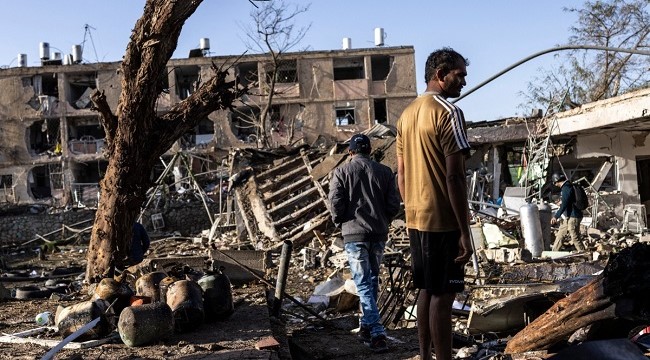
The attacks struck the towns of Arad and Dimona, causing significant destruction to residential buildings and surrounding areas.
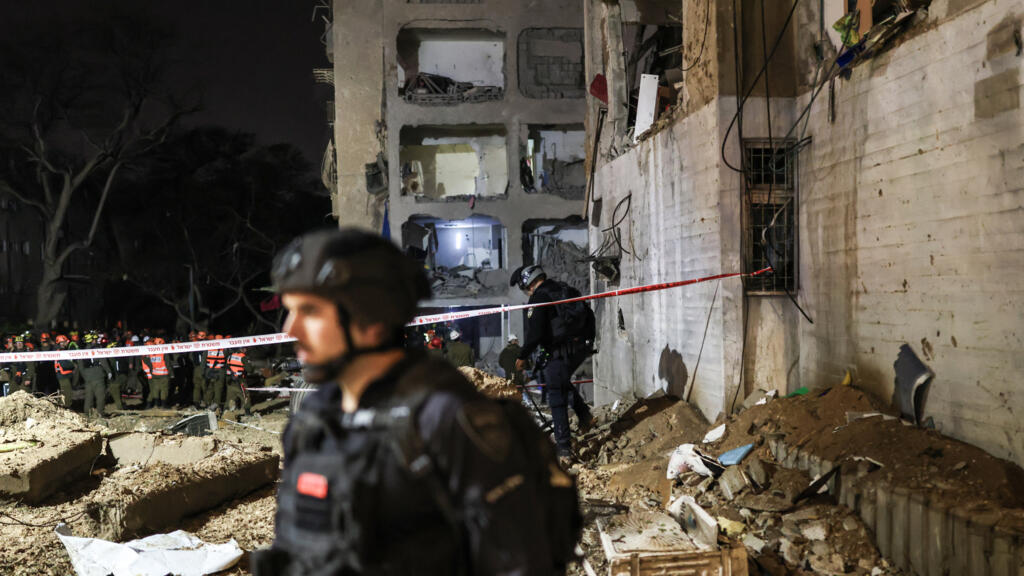
According to Magen David Adom, 84 people were injured in Arad, with 10 in serious condition, while 33 others were wounded earlier in Dimona.
Iranian state television described the strike on Dimona as a “response” to an earlier attack on its nuclear facility in Natanz.
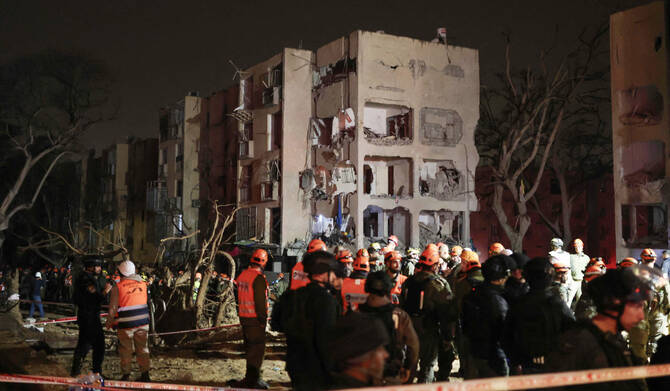
Emergency responders were seen searching through rubble in Arad, where buildings were heavily damaged and fires broke out following the impact.
The Israel Defense Forces confirmed that its air defence systems were activated but failed to intercept the incoming missile.
“The air defence systems operated but did not intercept the missile, we will investigate the incident and learn from it,” said military spokesman Effie Defrin.
Local fire authorities reported “extensive damage” in Arad, with at least three buildings affected and one engulfed in flames.
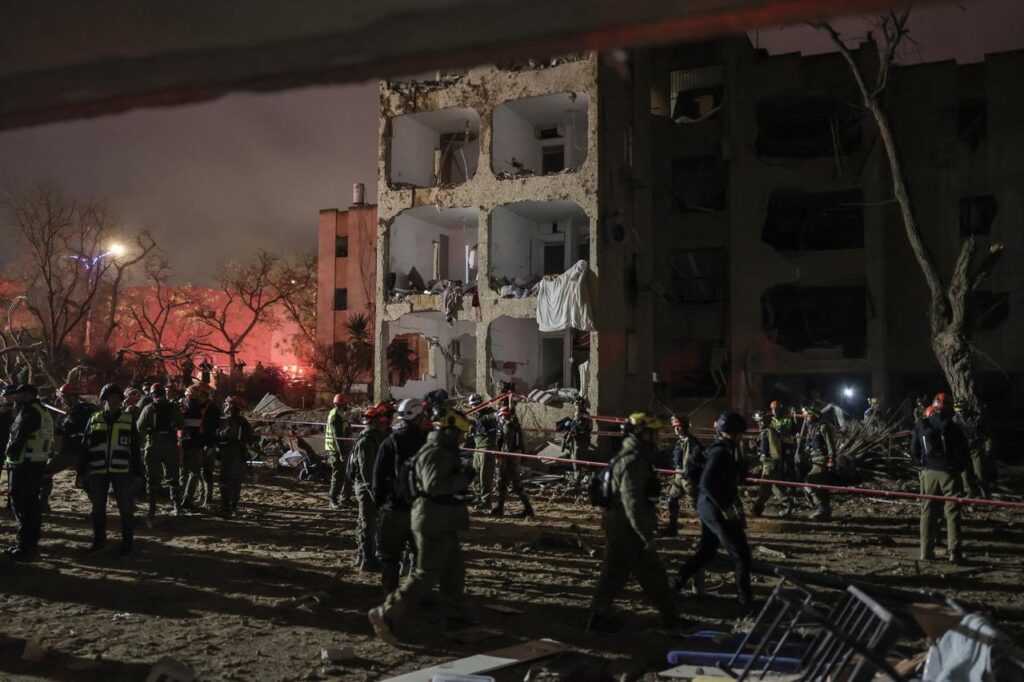
A medic, Riyad Abu Ajaj, described “extensive destruction” and chaotic scenes at the site.
In Dimona, footage showed a large crater alongside debris and damaged structures, with shattered windows and destroyed facades in surrounding buildings.
Among the injured was a young boy who sustained shrapnel wounds and was said to be in serious but stable condition.
Dimona is known for hosting a sensitive facility widely believed to be linked to nuclear capabilities, though Israel has maintained a long-standing policy of ambiguity regarding its nuclear programme.
Following the attacks, Israel’s education ministry ordered schools to switch to online learning, suspending physical classes in affected areas.
The strikes are part of ongoing hostilities, with Iran launching repeated missile attacks in response to joint operations involving the United States and Israel that began on February 28.
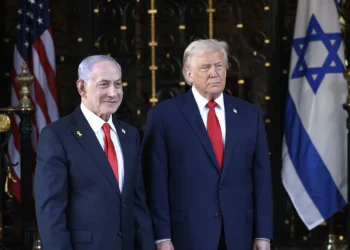
Reacting to the developments, Israeli Prime Minister Benjamin Netanyahu vowed to continue military actions against Iran and its allies after what he described as a “very difficult evening”.
What you should know
The escalation between Iran and Israel marks a dangerous phase in Middle East tensions, with direct missile exchanges targeting civilian areas and strategic locations.
The failure of Israel’s air defence systems to intercept the missiles raises concerns about vulnerabilities in its security infrastructure.
The situation also highlights the broader geopolitical conflict involving nuclear facilities, regional influence, and retaliatory military actions, which could further destabilise the region if not contained.