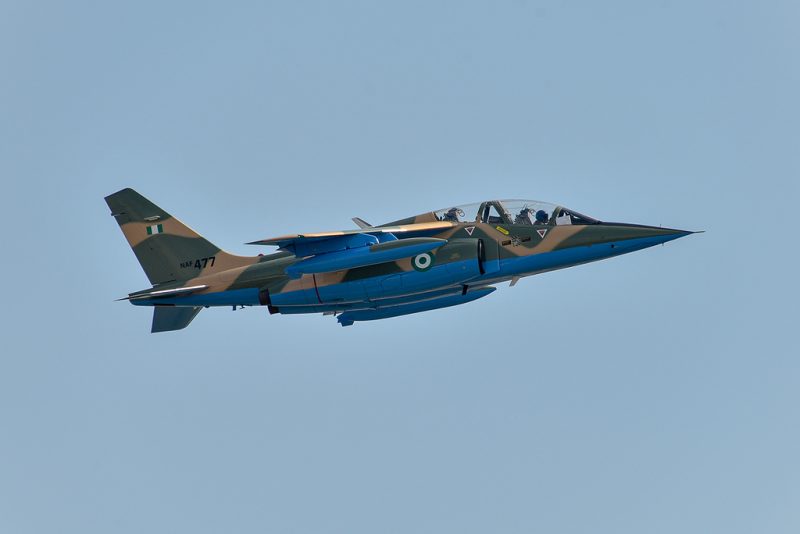
The Nigerian Air Force carried out airstrikes inside neighbouring Benin Republic, a senior official in the Nigerian presidency told AFP on Sunday, signalling coordinated regional action as authorities in Cotonou confronted an unfolding coup attempt.
When contacted, Air Force spokesman Air Commodore Ehimen Ejodame stated that “The Nigerian Air Force has operated in the Republic of Benin in line with ECOWAS protocols and the ECOWAS Standby Force mandate”. He did not disclose the specific locations or targets involved in the mission.
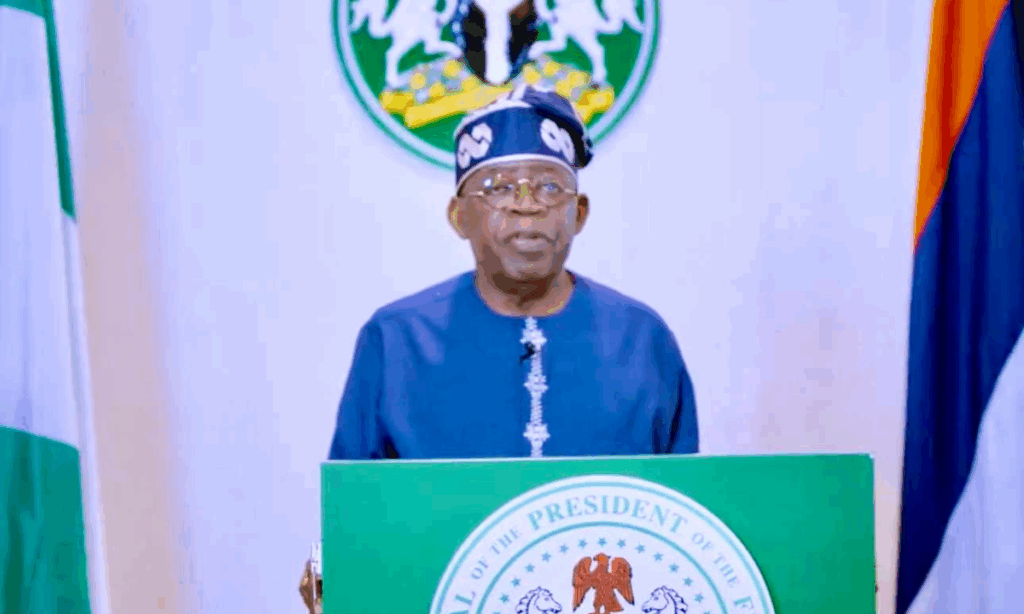
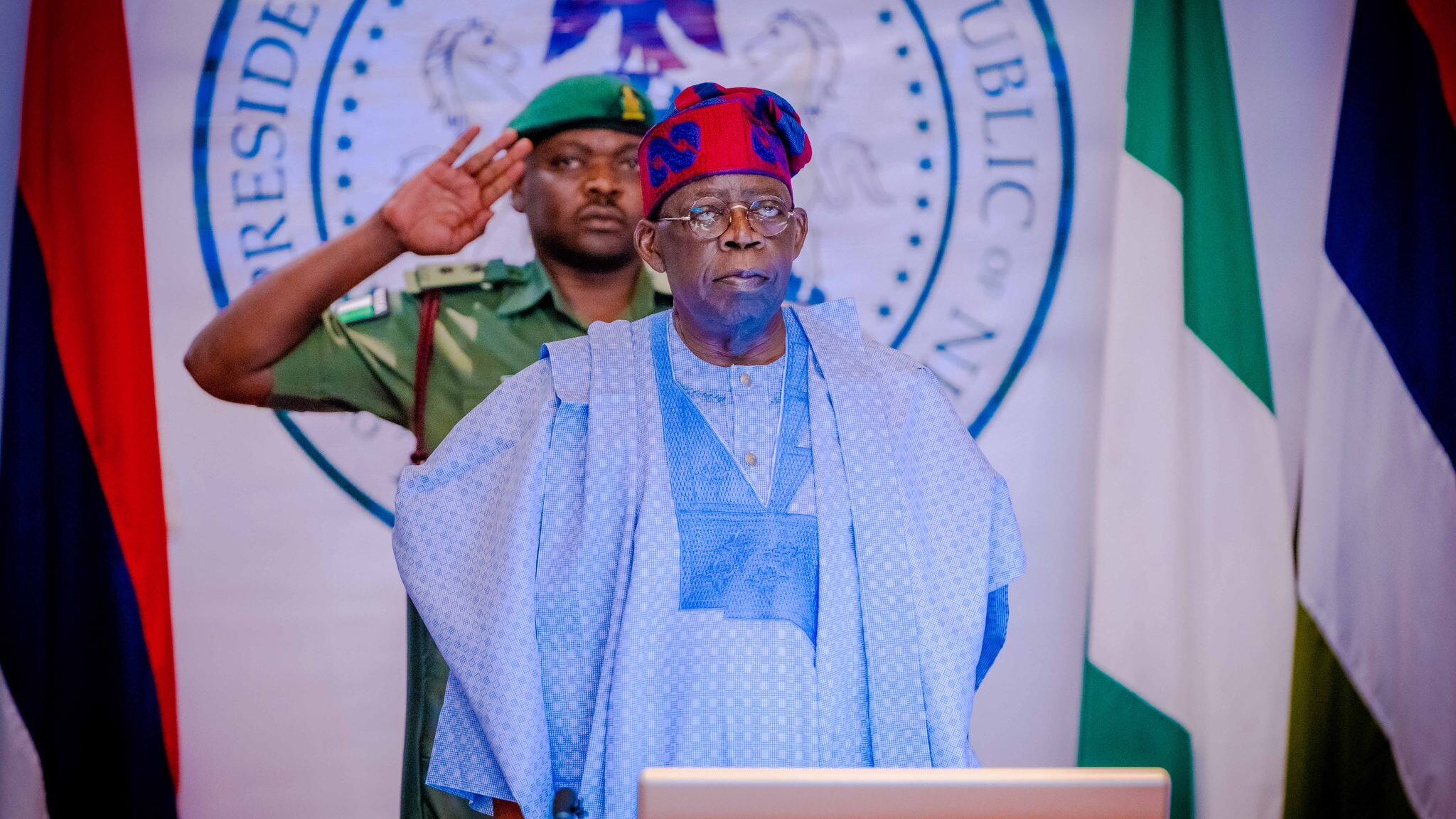
President Bola Ahmed Tinubu, reacting to the development, applauded the prompt response of Nigeria’s armed forces, saying their intervention followed a direct request from the Government of Benin Republic to help defend its 35-year democracy. The president expressed satisfaction that the military acted immediately to support a neighbouring country facing a sudden challenge to its constitutional order.
Earlier on Sunday, authorities in Benin announced that they had disrupted an attempted takeover after a group of soldiers appeared on state television claiming they had displaced President Patrice Talon. West Africa has witnessed repeated military takeovers in recent years, including in Benin’s northern neighbours Niger and Burkina Faso, as well as Mali, Guinea and most recently Guinea-Bissau.
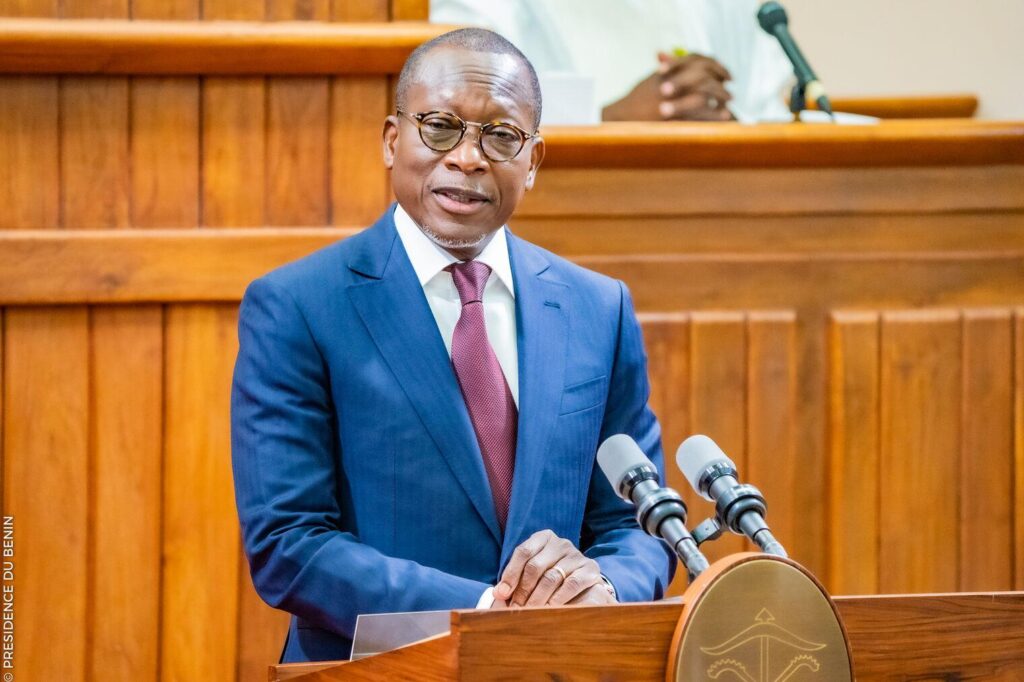
Talon, a 67-year-old businessman widely known as the “cotton king of Cotonou”, is scheduled to hand over leadership in April next year after a decade in office marked by notable economic expansion and an alarming rise in extremist attacks. The soldiers, identifying themselves as the “Military Committee for Refoundation” (CMR), announced during their broadcast that “Mr Patrice Talon is removed from office as president of the republic”.
Moments after the broadcast, a source close to Talon told AFP that the president was unharmed, describing the group behind the announcement as “a small group of people who only control the television”. The source added that “The regular army is regaining control. The city (Cotonou) and the country are completely secure,” insisting that stability was returning. According to the source, “It’s just a matter of time before everything returns to normal. The clean-up is progressing well.”
Despite these assurances, uncertainty lingered in Cotonou by midday. AFP journalists reported the sound of gunfire, and security personnel were seen blocking entry to the presidential complex even as residents in other parts of the capital continued their normal routines. Interior Minister Alassane Seidou denounced the disruption, describing the move as “a mutiny” meant to “destabilising the country and its institutions”. He noted that the armed forces “maintained control of the situation and foiled the attempt”.
In a televised appearance, eight armed soldiers wearing different coloured berets and presenting themselves as members of the “Military Committee for Refoundation” declared a lieutenant colonel as “president of the CMR”. They justified their actions by pointing to what they called the “continuous deterioration of the security situation in northern Benin”, the “neglect of soldiers killed in action and their families left to fend for themselves,” and alleged “unjust promotions at the expense of the most deserving”.
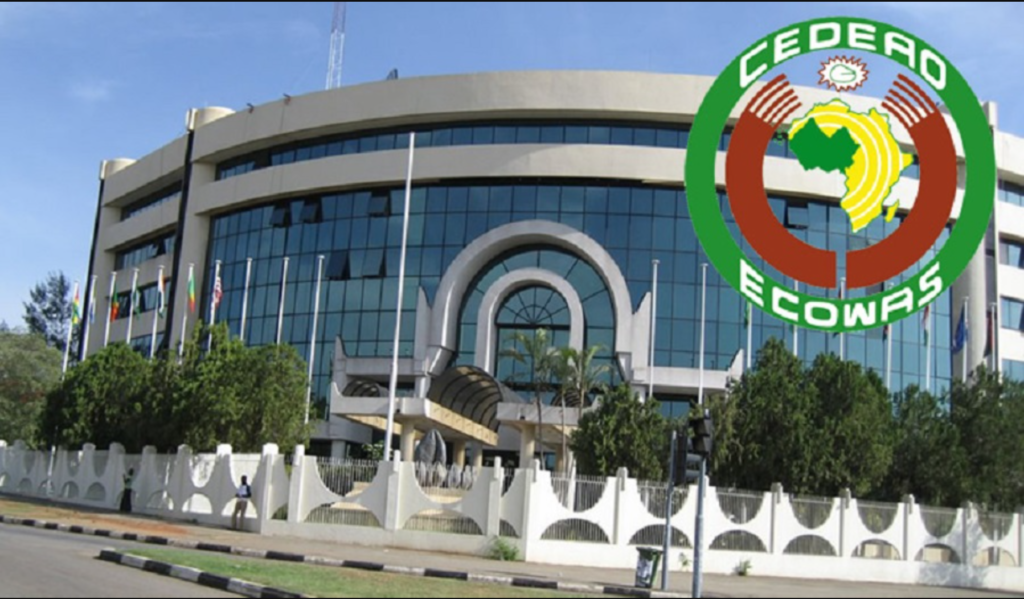
ECOWAS condemned the attempted takeover, describing the actions of the group as “unconstitutional” and a “subversion of the will of the Beninese people”. Benin’s political history has been shaped by several coups and coup attempts since independence from France in 1960. Talon, who came into office in 2016, is set to complete his second and final term in 2026 as permitted by the constitution.
The principal opposition party has been barred from contesting the next presidential race, leaving the ruling party to compete with what is described as a “moderate” opposition. While Talon has been widely credited for boosting Benin’s economic development, critics routinely accuse him of running an increasingly authoritarian government.
What You Should Know
The attempted coup in Benin triggered a swift regional response, with Nigeria launching an air operation under ECOWAS authority while President Tinubu praised the country’s military for helping protect Benin’s democratic order.
The crisis unfolded after soldiers claiming to be the “Military Committee for Refoundation” announced the removal of President Patrice Talon, though authorities insisted the situation was contained. Benin’s long history of political instability and its worsening security environment have heightened tensions ahead of Talon’s expected exit from office.
The episode underscores the fragility of democratic institutions in West Africa and the growing role of regional military cooperation.