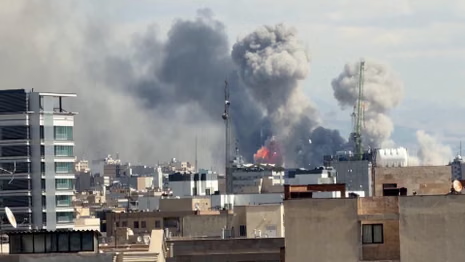
A fresh wave of strikes by Israel on Iran on Monday has heightened tensions in an already volatile conflict, as Tehran warned of retaliation targeting critical infrastructure across the Middle East.
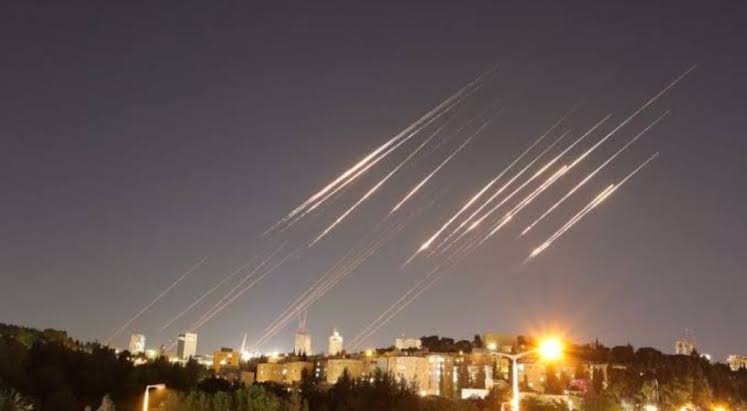
Explosions were reported in Tehran, while Saudi Arabia and the United Arab Emirates confirmed intercepting incoming missiles and drones linked to the escalating hostilities.
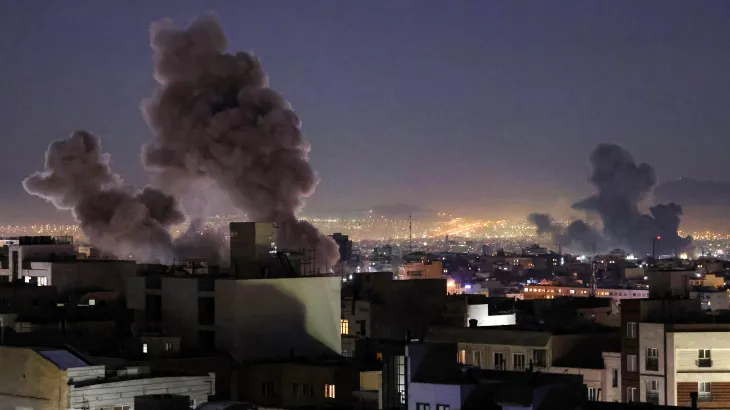
The conflict, now in its fourth week, has significantly disrupted global energy supply, with the head of the International Energy Agency, Fatih Birol, revealing that at least 40 key oil and gas facilities in the region have been severely damaged.
Iran has retaliated with missile and drone strikes targeting Israel and locations across the Gulf, including energy infrastructure and U.S. diplomatic facilities. It has also restricted movement through the strategically vital Strait of Hormuz, through which roughly 20 percent of the world’s crude oil supply passes.
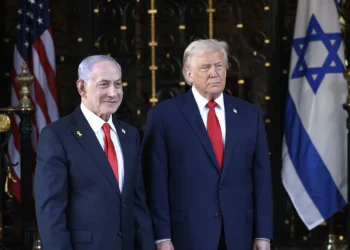
With oil prices surpassing $100 per barrel, Donald Trump issued a strong warning, threatening to “obliterate” Iranian power plants if Tehran does not reopen the strait within 48 hours.
Iran responded firmly, with Parliament Speaker Mohammad Bagher Ghalibaf declaring that regional infrastructure would “be considered legitimate targets and will be irreversibly destroyed” if the U.S. follows through on its threat.
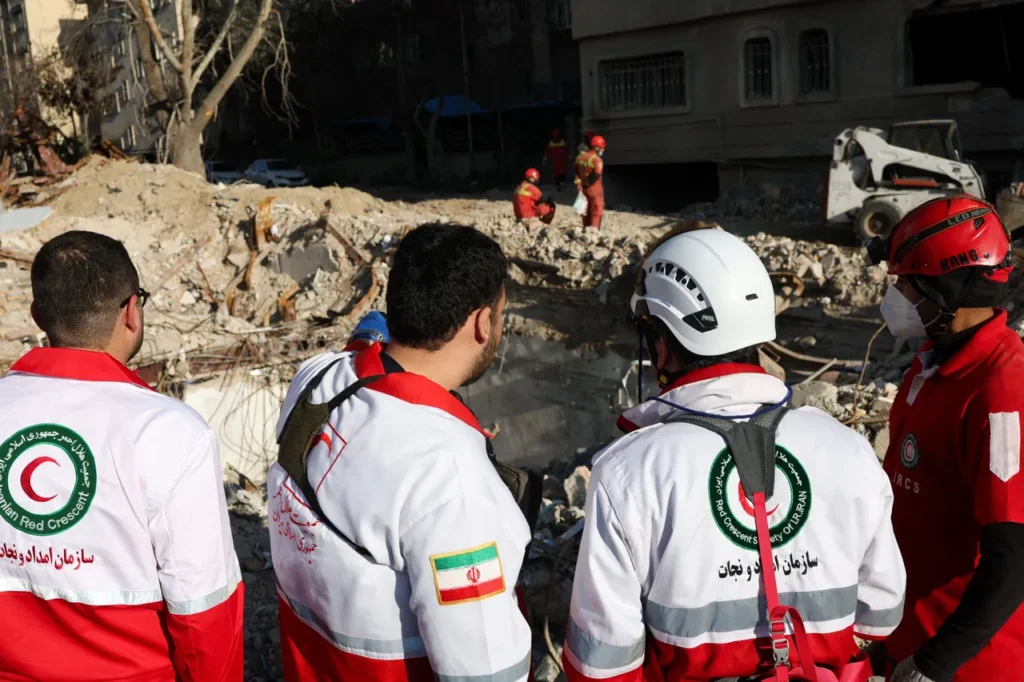
Fatih Birol highlighted the severity of the crisis, noting that approximately 11 million barrels of oil per day have been cut from global supply, surpassing losses seen during the oil crises of the 1970s.
“No country will be immune to the effects of this crisis if it continues to go in this direction. So there is a need for global efforts,” Birol said.
Amid rising tensions, Iran is also considering imposing tolls on vessels passing through the Strait of Hormuz, while selectively allowing ships from countries it considers friendly.
Meanwhile, Israeli Prime Minister Benjamin Netanyahu signaled that the conflict could be prolonged, particularly as Israel expands military operations against Iran-backed Hezbollah in Lebanon.
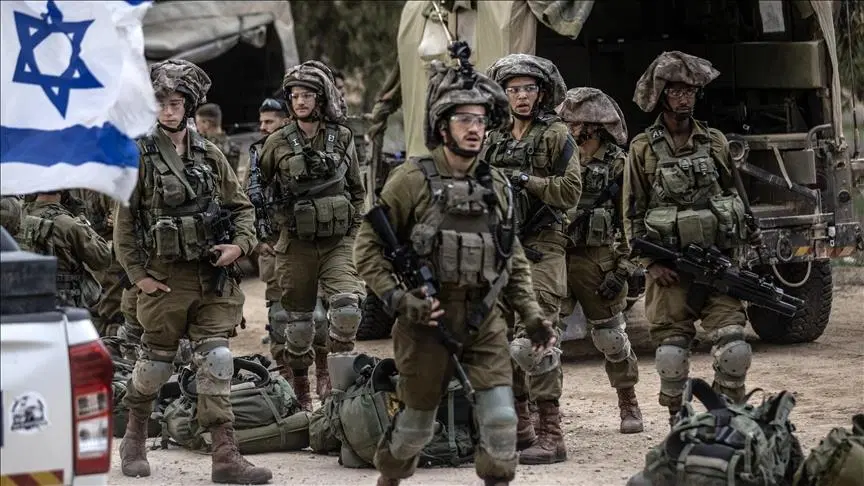
“Citizens of Israel, we face more weeks of fighting against Iran and Hezbollah,” Israeli military spokesman Effie Defrin stated.
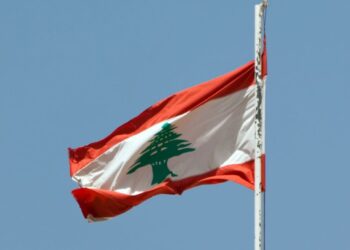
Israeli forces have intensified operations in Lebanon, including strikes on bridges along the Litani River, which they claim are used by Hezbollah. The escalation has drawn concern from Lebanese leaders, with President Joseph Aoun warning that such actions could signal an impending ground invasion.
Iranian missile strikes have also reached southern Israel, including areas near Dimona, where a nuclear facility is believed to be located. The attacks injured dozens and marked a rare breach of Israel’s air defence systems.
According to reports, the strikes were carried out in retaliation for earlier attacks on Iran’s nuclear facility at Natanz, though Israeli authorities stated they were not aware of such an operation.
Casualties continue to mount, with over 3,000 deaths reported in Iran, including civilians, although independent verification remains difficult due to limited access to affected areas.
What you should know
The Israel-Iran conflict has rapidly evolved into a major geopolitical crisis with global implications, particularly for energy markets.
Disruptions in the Strait of Hormuz have significantly reduced oil supply, pushing prices higher and threatening economic stability worldwide. The involvement of multiple countries and proxy groups like Hezbollah increases the risk of a broader regional war.
Diplomatic solutions appear limited for now, as both sides escalate military actions and issue strong retaliatory threats.