Ahead of the 2027 general elections, political realignments appear to be gaining momentum as key figures within the Peoples Democratic Party held strategic meetings across different locations, even as internal reconciliation efforts remain stalled.
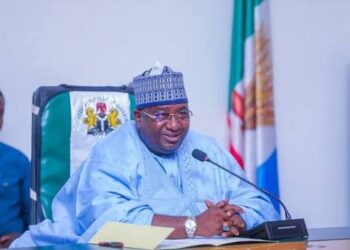
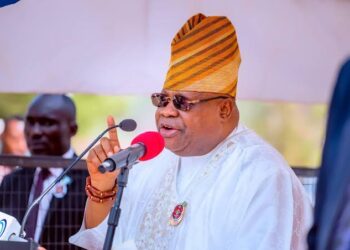
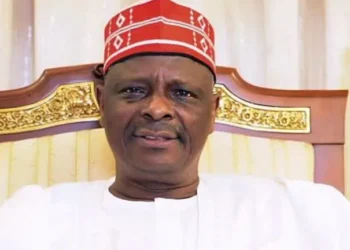
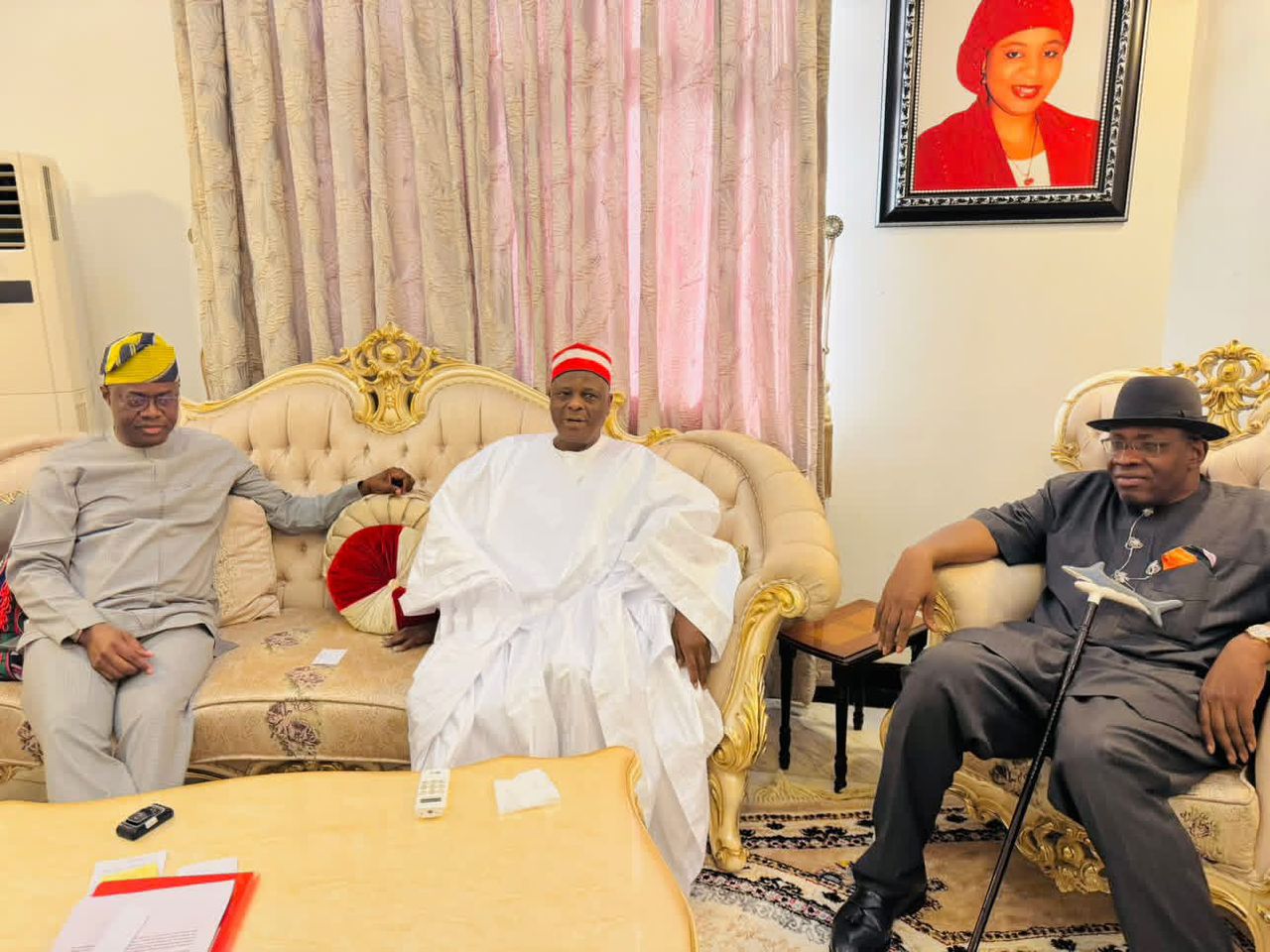
Governors Seyi Makinde and Bala Mohammed met behind closed doors with Seriake Dickson in Bauchi before proceeding to Kano, where they joined Rabiu Kwankwaso and Peter Obi.
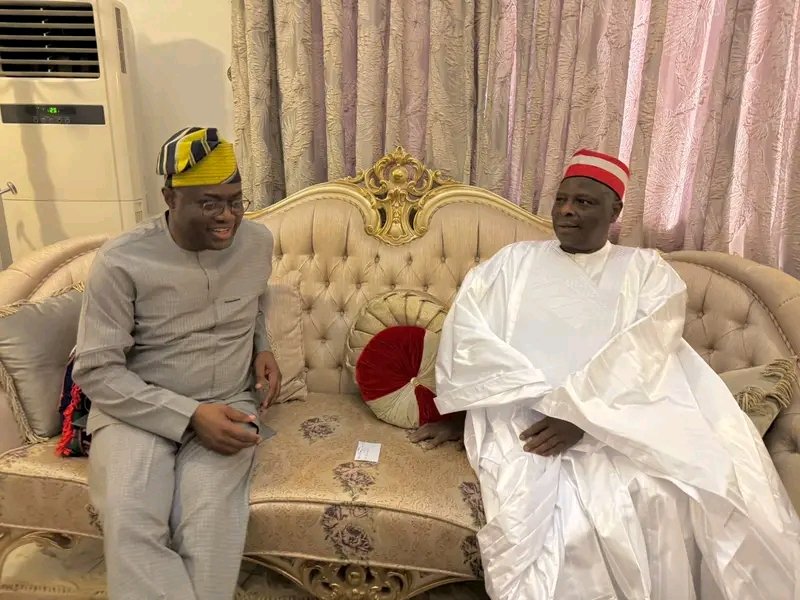
Although the gathering was publicly described as part of Eid-el-Fitr celebrations, sources suggested that the discussions were linked to early consultations and possible alignments ahead of the 2027 presidential election.
The meetings come amid deepening divisions within the PDP, particularly between the governors’ bloc and the faction aligned with the Minister of the Federal Capital Territory, Nyesom Wike.
On Sunday, the Wike-backed faction, through its National Publicity Secretary Jungudo Mohammed, accused the rival camp led by Tanimu Turaki of attempting to frustrate the party’s national convention scheduled for March 29 and 30.
In response, Ini Ememobong of the Turaki-backed group dismissed the allegations as blackmail, insisting that their faction remains committed to reconciliation.
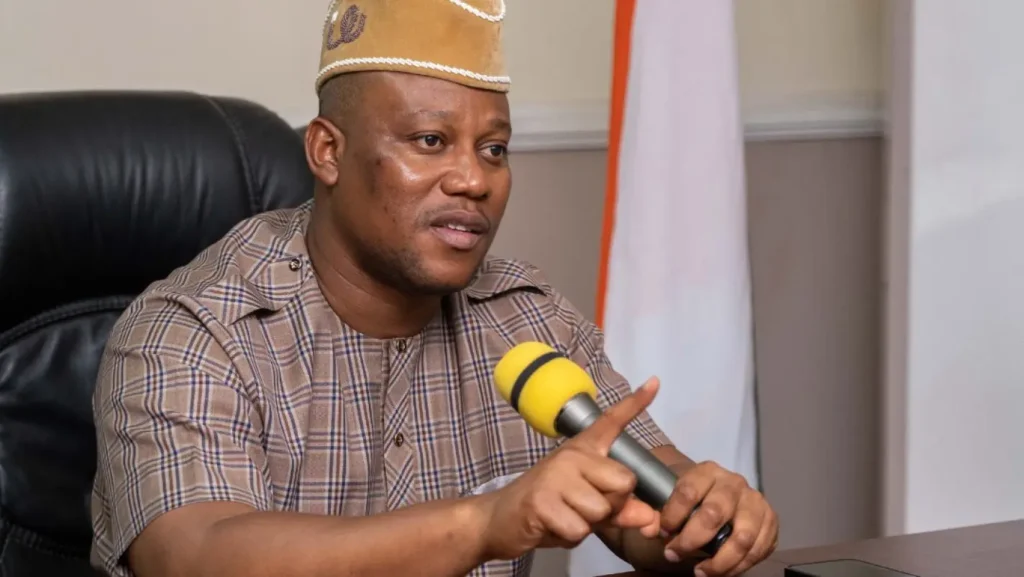
The PDP has been engulfed in a prolonged leadership crisis that has split the party into two rival camps. Despite the internal wrangling, the governors’ faction went ahead to conduct a convention in Ibadan in November 2025, producing Turaki and other members of the National Working Committee.
However, the Wike-aligned faction later constituted a National Caretaker Working Committee, naming Abdulrahman Mohammed and Samuel Anyanwu to lead the party temporarily.
The crisis took a legal turn when the Court of Appeal nullified the Ibadan convention, ruling that it violated the Electoral Act, the Nigerian Constitution, and the PDP constitution.
Despite signals from both camps indicating a willingness to reconcile, recent developments suggest that negotiations may have reached a deadlock.
Speaking on the situation, Makinde maintained that aligning with Wike’s camp would amount to indirectly supporting President Bola Tinubu in 2027.
“I came into the public domain to state that I was in a meeting with Wike and Mr President, and he promised to hold the PDP for Mr President in 2027. So, anyone dealing with Wike and his group in any guise means you have also agreed to support President Tinubu for 2027.
“We leave it for Nigerians to judge. If you can be in their camp where they have promised to support them, so be it.
“We are not begrudging them; you can support whoever you like. But go to them if you want to support them. That is our position. They have the government behind them, the judiciary behind them, and INEC behind them, but we have the people behind us.”
Meanwhile, Mohammed took a more conciliatory stance, stressing that reconciliation remains possible.
“That opinion by my brother is his opinion, but we believe there are no irreconcilable issues in Nigeria, especially within the political and national space,” he said.
The Kano visit coincided with the 10th annual Dandalin Kwankwasiyya, held at Kwankwaso’s residence, attracting political stakeholders and supporters nationwide.
Sources indicated that beyond the festivities, the meeting involved high-level consultations on political alignments ahead of 2027.
“You see, because of the Electoral Acts and the deadlines for movement of politicians, high-level consultation is still ongoing. Though this meeting is happening during the Eid-el-Fitr, of course, it’s also not just for the funfair. It’s part of the consultation ahead of the 2027 election.
“You can see that we have the people who are determined to contest. We have the PDP leaders there, you have Nigeria Democratic Congress National Leader, and then you have Peter Obi here with our leader, Kwankwaso.
“So, other matters pertaining to 2027, political alignment, and realignment among them will be discussed. And I am sure in the next few days, the direction they are heading will be clear to all Nigerians.”
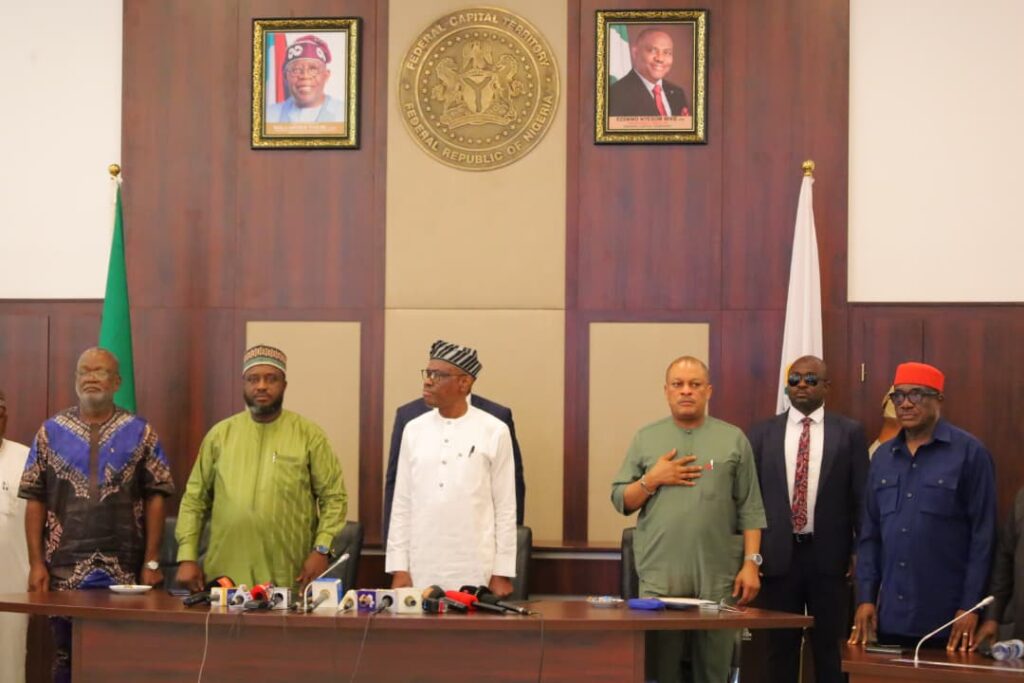
Meanwhile, the Wike-backed faction reaffirmed that the PDP’s national convention would proceed as scheduled, insisting that court rulings validating the caretaker committee remain binding.
“It is, however, deeply concerning that certain individuals have continued to take steps aimed at undermining the stability and progress of our party. We are aware of moves by this group, led by Kabiru Tanimu Turaki, SAN, to approach courts in Ibadan in a bid to secure an injunction to halt the forthcoming National Convention.
“This is particularly unfortunate given that the leadership of the party had, in good faith, extended several invitations and opportunities for reconciliation and dialogue. Regrettably, these overtures were ignored, as the said faction failed to present itself for meaningful engagement.”
Ememobong, however, rejected the claims, accusing the opposing faction of spreading false narratives while expressing optimism that reconciliation efforts could still succeed.
“It is sad that people who we thought should behave like gentlemen are still living in the mud. The world would bear witness that from the day we took a decision for reconciliation, we backpedaled on everything. We have been in touch with them, and at first, they said, ‘Oh, let’s wait for Ramadan to finish’ and all of that. But they came up with something different.
“The only set of people who are weaponising communication and still behaving as if reconciliation is not on the table are their people. What they are clearly doing is blackmail. If they know where the injunction is to be gotten from, they should ask themselves if they are doing the right and proper thing. It means that for them to know of a case that is yet to be instituted, it means they are the ones who are going to file the case.”
What you should know
The PDP crisis reflects deep internal divisions that could significantly impact Nigeria’s political landscape ahead of the 2027 elections.
The emerging meetings between key opposition figures suggest possible alliances that may challenge the ruling party. However, unresolved leadership disputes and legal battles within the PDP could weaken its position if reconciliation fails.
The situation remains fluid, with ongoing consultations likely to shape future political alignments and electoral strategies.