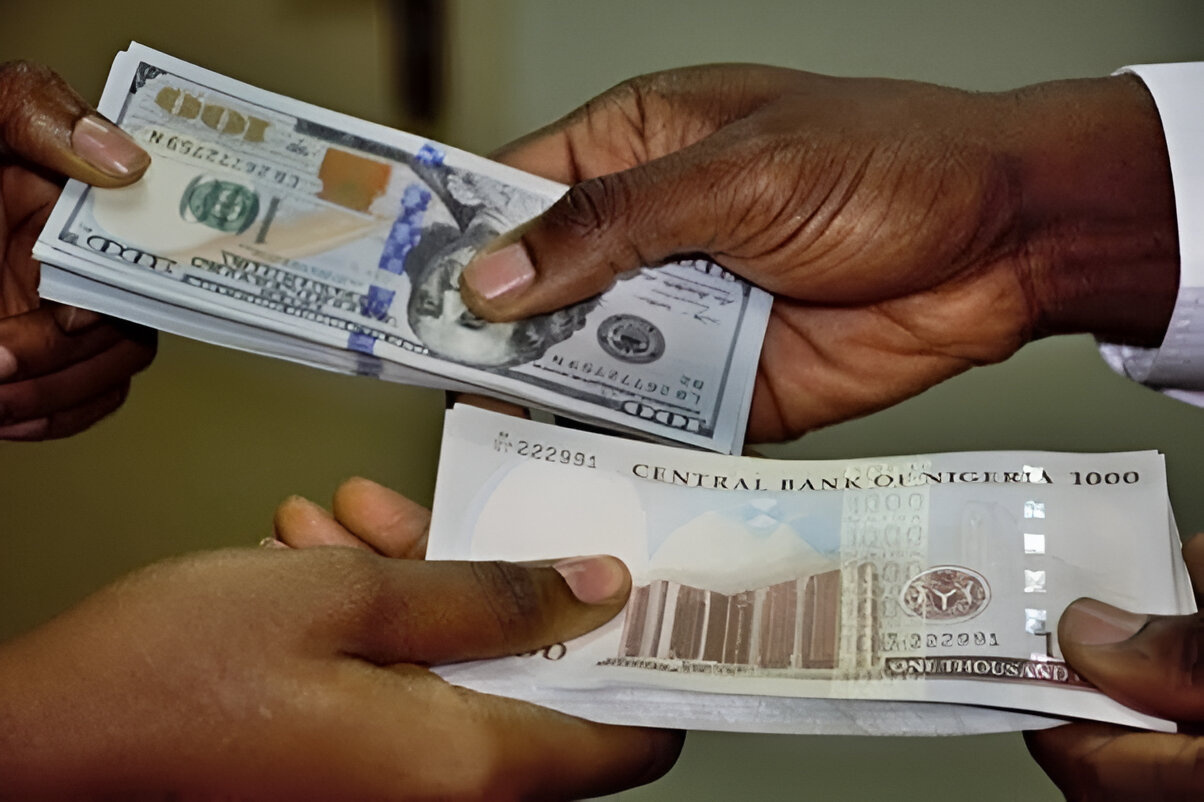
The Nigerian naira opened the trading week on a note of cautious stability, exchanging at ₦1,356.74 per dollar in the official window this Monday.
This steady start follows a period of mid-March turbulence, during which the currency swung between ₦1,344 and ₦1,370, as the market continues to digest a flurry of aggressive fiscal and monetary interventions.
Data released by the Nigerian Foreign Exchange Market (NFEM) underscores a narrowing volatility band. While intraday trading reached a high of ₦1,362.00, closing averages have consistently hovered around ₦1,355.00, signaling a newfound “comfort zone” for the local tender.
The primary engine behind this resilience appears to be a significantly bolstered “war chest.” Nigeria’s external reserves have climbed to approximately $50 billion, providing the Central Bank of Nigeria (CBN) with the necessary ammunition to defend the currency.
On the policy front, the Monetary Policy Committee (MPC) remains in a defensive crouch. Governor-led signals suggest a “cautious stance,” maintaining high interest rates to rein in inflation.
The strategy appears to be yielding incremental gains; inflation recently cooled to 15.10%, a small but significant victory for a domestic economy under heavy pressure.
“The apex bank is clearly prioritizing price stability over rapid expansion,” noted one market analyst. “By keeping rates high, they mop up excess liquidity and make the Naira more attractive to hold.”
Investor confidence received a further shot in the arm as the March 31 deadline for new capital requirements looms. The CBN confirmed that 30 major banks have already met the heightened capital thresholds.
This early compliance suggests a banking sector that is not only robust but also prepared to absorb potential shocks, further insulating the broader economy from the “stop-start” volatility seen earlier in the quarter.
Indicator Current Status
Official Exchange Rate: ₦1,356.74 / $1
External Reserves: ~$50 Billion
Oil Production: 1.46m bpd
Inflation Rate: 15.10%
As we approach the end of Q1, the narrative around the naira has shifted from crisis management to guarded optimism. However, with global markets remaining unpredictable, all eyes stay fixed on the CBN’s next move.
WHAT YOU SHOULD KNOW
The Naira’s stabilization at ₦1,356.74 marks a significant shift from volatility to steady ground, anchored by Nigeria’s external reserves hitting a 13-year high of $50 billion.
The financial system’s strengthened resilience: with 30 major banks already meeting the new capital requirements ahead of the March 31 deadline and inflation cooling to 15.10%, the economy is in its strongest defensive posture in years.