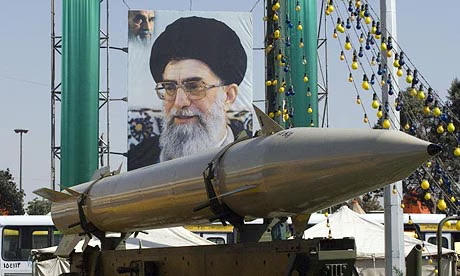
Senior Iranian officials on Sunday pledged to avenge the killing of Supreme Leader Ayatollah Ali Khamenei and announced a fresh wave of strikes targeting US bases in the Gulf, brushing aside warnings from US President Donald Trump of an unprecedented escalation in force.
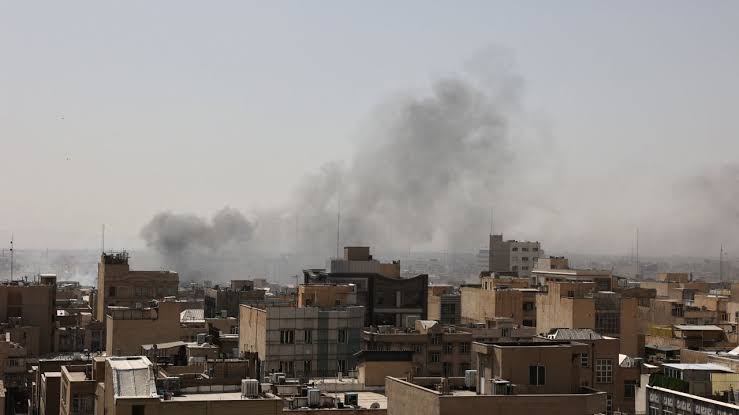
Explosions echoed across Tehran as crowds gathered in the capital. The Israeli military said it was once again striking targets in central Tehran, while additional blasts were reported in Jerusalem, Riyadh, Dubai, Doha and Manama.
Iranian President Masoud Pezeshkian described Khamenei’s killing as a “declaration of war against Muslims” and declared that Tehran considered it a legitimate duty to avenge those responsible.
“Iran considers it its legitimate duty and right to avenge the perpetrators and masterminds of this historic crime,” Pezeshkian said.
Ali Larijani, head of Iran’s Supreme National Security Council, vowed a forceful response. In a social media post written in emphatic language, he warned that Iran would retaliate with a level of force “they have never experienced before.”
Smoke was seen rising from parts of northern Tehran, though it was not immediately clear what had been targeted.
Threats of ‘Unprecedented Force’
Earlier reports of Khamenei’s death had prompted mixed reactions inside Iran, with some initial celebrations followed by large pro-government demonstrations after state media confirmed the killing. Protesters chanted anti-US slogans as the military announced further strikes on American bases in the Gulf and Iraqi Kurdistan.
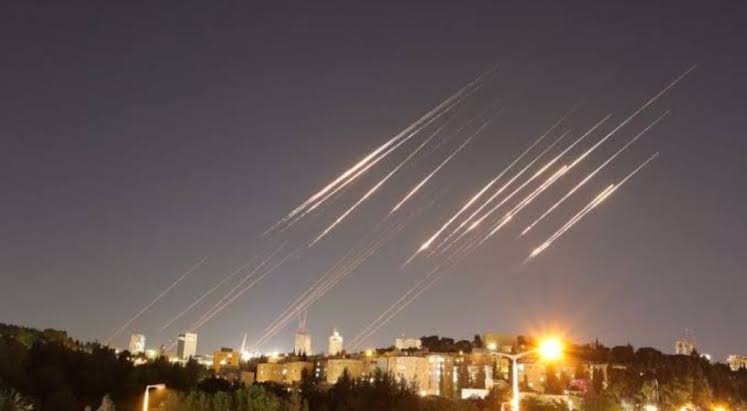
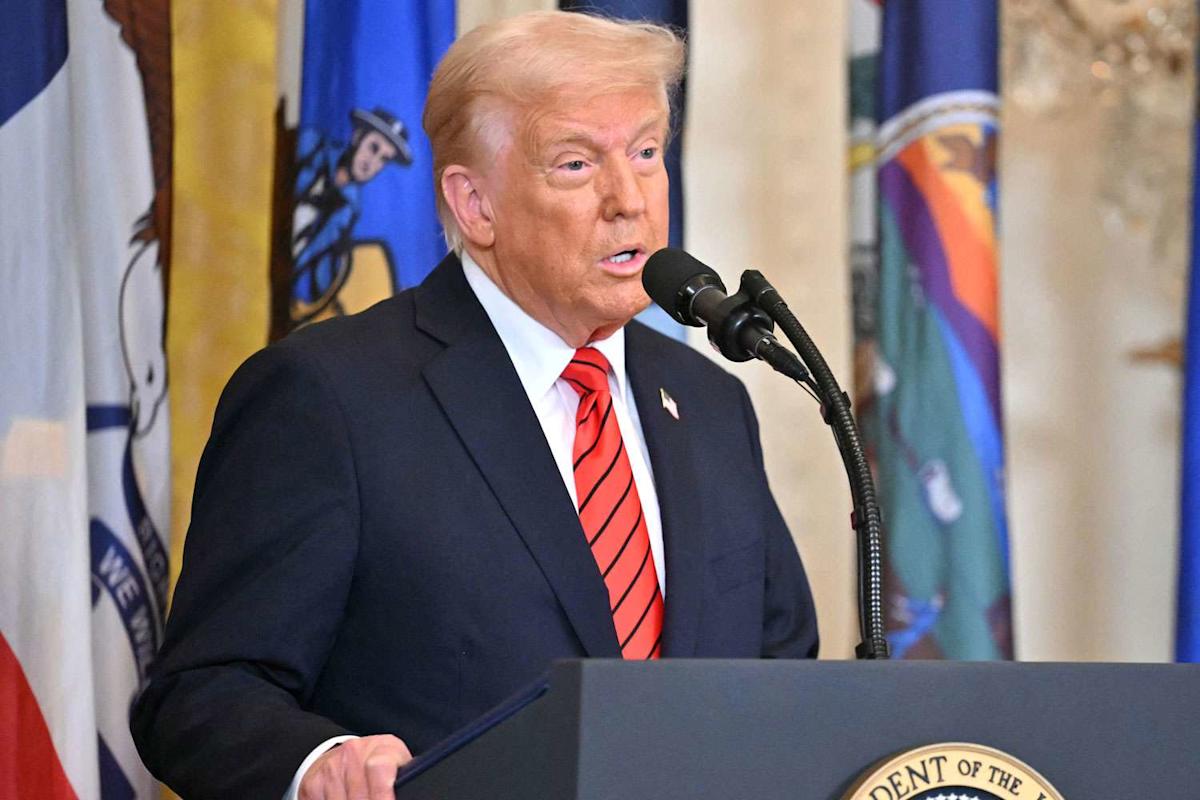
Trump warned that any additional retaliation would trigger a response “never been seen before,” while urging Iranians to rise up against their leadership.
Iran’s first wave of retaliation had already struck several Gulf states, sparing only Oman, which had attempted to mediate US-Iran talks. On Sunday, however, drones reportedly hit Oman’s commercial port of Duqm, injuring a foreign worker, and a tanker off the coast was also damaged, according to the Oman News Agency.
Anger over the coordinated US-Israeli strikes that killed Khamenei and other senior figures spilled into neighbouring Iraq and Pakistan, where protesters attempted to storm US diplomatic facilities.
In Karachi, violence erupted near the US consulate during pro-Iran demonstrations, with local rescue officials reporting multiple fatalities.
Within Iran, the Red Crescent said earlier strikes had killed 201 people and wounded hundreds more. The judiciary confirmed the deaths of senior officials including Ali Shamkhani, a close adviser to Khamenei, and General Mohammad Pakpour of the Revolutionary Guards.
Iran’s retaliatory missile and drone strikes across the Middle East have resulted in casualties in Abu Dhabi and Tel Aviv, with further attacks launched after Khamenei’s death was officially confirmed.
Question of Succession
Khamenei’s death has intensified speculation over Iran’s leadership transition. As only the second supreme leader since the 1979 Islamic Revolution led by Ayatollah Ruhollah Khomeini, his passing leaves a significant power vacuum.
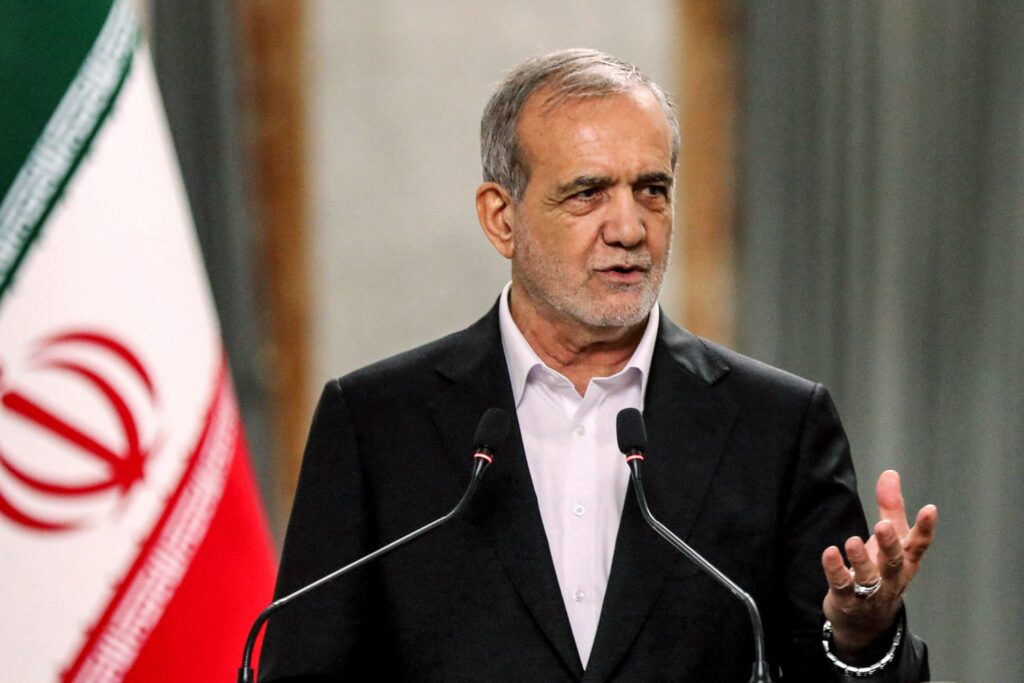
State television reported that President Pezeshkian and two other senior officials would oversee the country during a transitional period.
Reza Pahlavi, son of Iran’s last monarch deposed in the revolution, said any successor emerging from within the current system would lack legitimacy. He declared that Khamenei’s death marked the effective end of the Islamic Republic, though he does not command unified support across opposition groups.
Analysts suggest the Revolutionary Guards, already deeply entrenched in Iran’s political and economic systems, could consolidate further authority in the aftermath.
Meanwhile, the Iranian judiciary reported that a strike on a school in southern Iran killed 108 people, though independent verification has not been possible.
What you should know
Iran has vowed sweeping retaliation following the confirmed killing of Ayatollah Ali Khamenei, launching additional strikes against US bases and Israeli targets.
President Masoud Pezeshkian and other top officials have framed the attack as an act of war, while Washington has warned of overwhelming countermeasures. The situation remains highly volatile, with civilian casualties reported across multiple countries and uncertainty surrounding Iran’s political succession.
Regional stability, global energy routes, and diplomatic efforts are all under increasing strain as hostilities intensify.