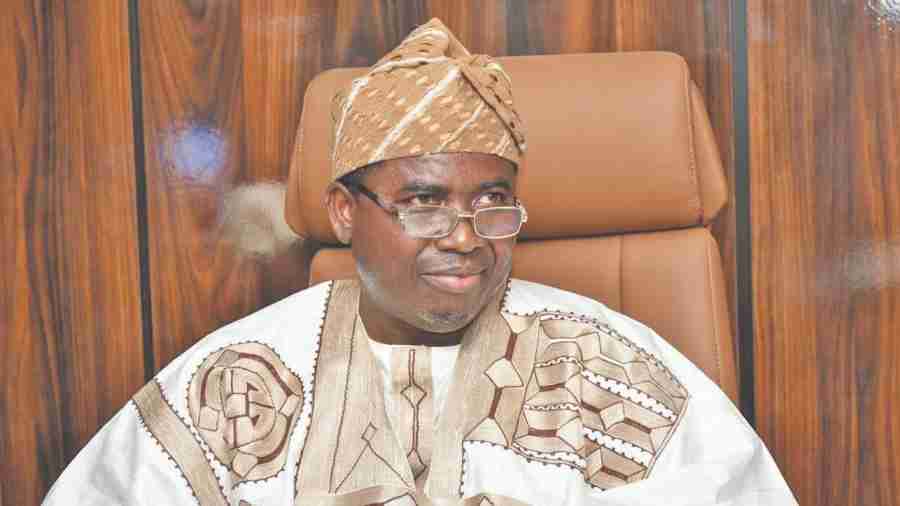
The Chairman of the Independent National Electoral Commission (INEC), Joash Amupitan, has assured Nigerians that concrete measures are in place to prevent any disruption in the electronic transmission of results during the 2027 general elections.
Speaking on Sunday at the Citizens’ Townhall on the Electoral Act 2026 in Abuja, Amupitan said the commission is determined to eliminate the technical setbacks that affected the 2023 presidential election.
“The glitch is eliminated; by God’s grace, it will not surface in Nigeria,” he said, adding that aside from delays in some previous elections, there was no total transmission failure in other polls.
He clarified that legal provisions allowing alternative collation methods serve merely as safeguards and should not be interpreted as an expectation of system failure.
“It is just a proviso, a safety. If it fails, results must still be transmitted. But our determination is that it will not fail,” he stated.
Technology Testing and 2023 Lessons

Amupitan acknowledged that while the Bimodal Voter Accreditation System (BVAS) had been deployed in off-cycle governorship elections before 2023, the nationwide scale of the presidential poll exposed gaps in stress-testing across states.
“Election anywhere in the world is now about technology, but before deploying any technology, it is important to test it thoroughly,” he said.
According to him, INEC plans to conduct a nationwide mock presidential election ahead of the 2027 vote to ensure the result-transmission infrastructure can withstand the demands of a national contest.
He emphasised that while the commission is striving for significant improvements, perfection is difficult to achieve. He noted that logistics and infrastructure readiness remain critical, particularly network availability, which he described as the primary operational challenge rather than electronic transmission itself.
Despite these challenges, Amupitan expressed optimism.
“We will try to give Nigerians a near-perfect election,” he said, describing credible elections as “the lifeblood of democracy.”
2023 Election and Electoral Act Amendments
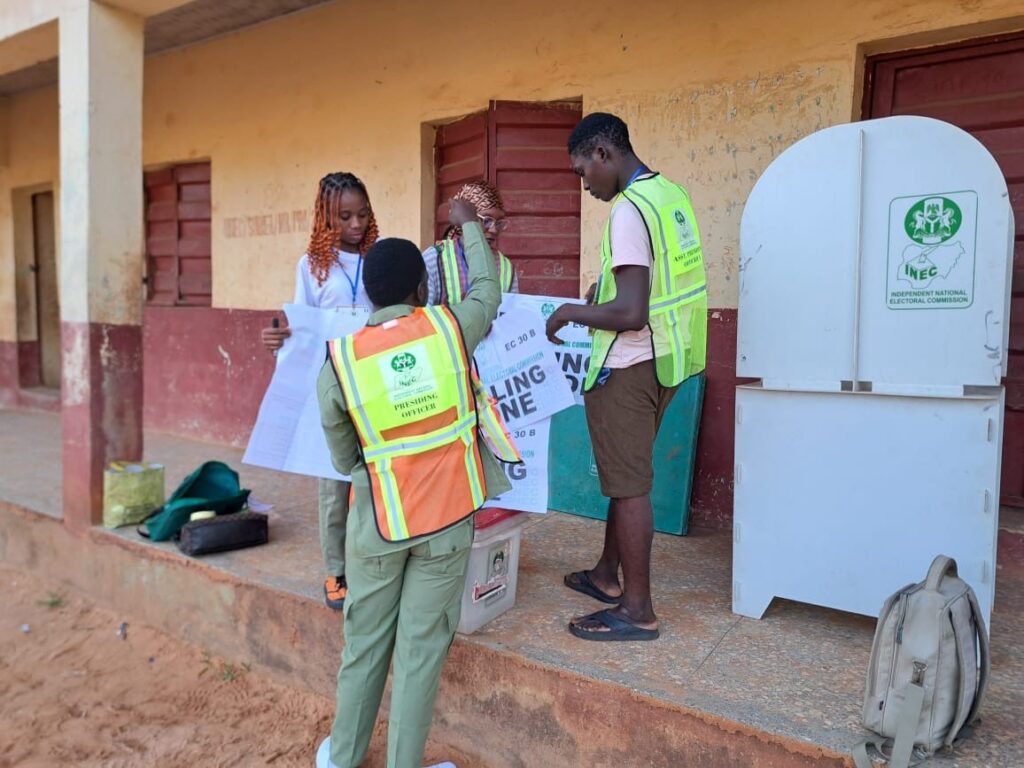
The controversy over electronic transmission largely stems from the 2023 presidential election, when INEC was unable to upload polling-unit results to its Result Viewing Portal (IReV) in real time, citing technical issues with the BVAS system.
The delays led to widespread allegations of manipulation and legal challenges, which were later dismissed by the Supreme Court of Nigeria.
INEC officially declared the results of the 2023 presidential election on March 1, 2023, announcing Bola Tinubu of the APC as winner. Atiku Abubakar of the PDP came second, while Peter Obi of the Labour Party finished third.
Subsequent amendments to the Electoral Act signed into law in 2026 introduced a hybrid framework permitting electronic transmission while retaining manual result sheets as the legal basis for collation in cases of technical failure.
However, the amendments have faced criticism from civil society groups, including Yiaga Africa, and political figures such as Peter Obi, who argue that relaxing strict real-time transmission requirements could undermine transparency.
With preparations already underway, INEC says improved technology testing, enhanced logistics, and clearer legal provisions will help restore public trust and deliver what Amupitan described as one of Nigeria’s most credible elections.
What you should know
INEC says it has fixed the technical issues that disrupted real-time result transmission in the 2023 presidential election and plans a nationwide mock exercise before the 2027 polls.
The commission insists electronic transmission will function seamlessly, while legal safeguards remain in place as backup. Amendments to the Electoral Act now allow a hybrid system combining electronic and manual collation, a move that has drawn both support and criticism.
INEC maintains that stronger testing, logistics, and legal clarity will boost transparency and voter confidence in 2027.