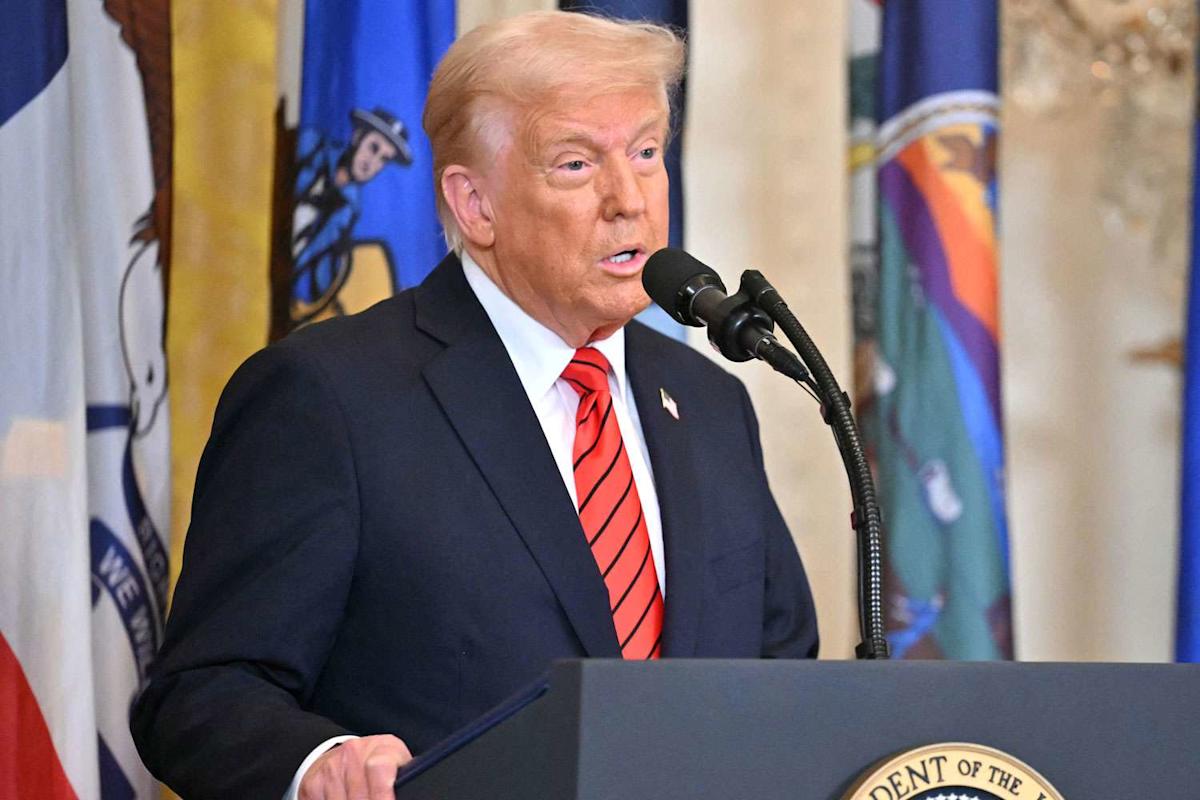
The United States on Sunday said it had destroyed the headquarters of Iran’s powerful Revolutionary Guard force, even as it confirmed the first American fatalities since the outbreak of the war aimed at overturning the Iranian government.
The US Central Command (CENTCOM) announced the destruction in a statement on X, accompanied by video footage showing missiles launched from a US Navy ship striking what it described as the Guard’s urban compound.
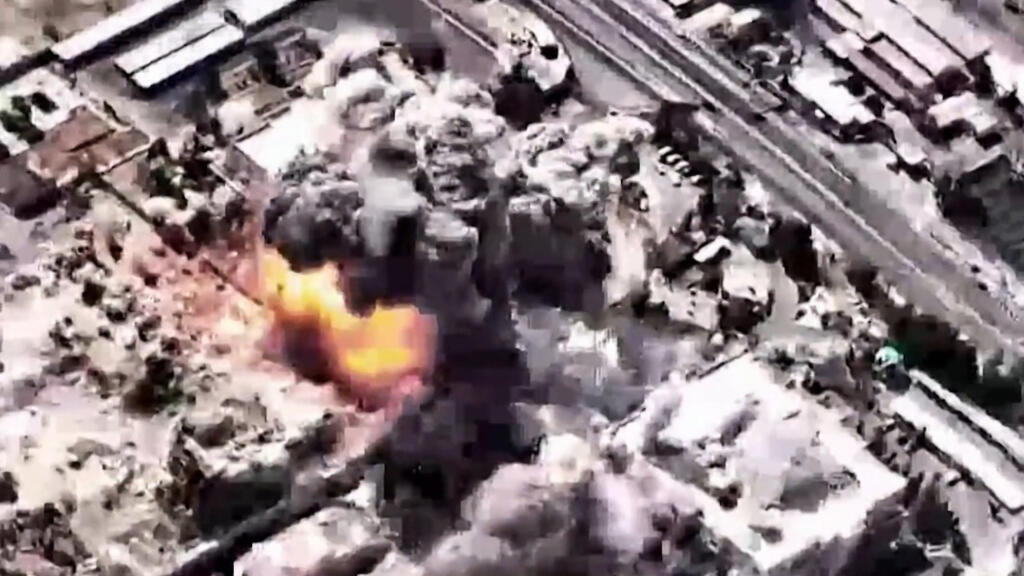
“America has the most powerful military on earth, and the IRGC no longer has a headquarters,” CENTCOM said.
President Donald Trump suggested the conflict could last weeks, telling the Daily Mail that “it’s always been a four week process.”
The US-Israeli campaign began Saturday with bombing that killed Iran’s supreme leader, Ayatollah Ali Khamenei. Iran has since retaliated with missile and drone attacks across the Middle East, with explosions reported in Saudi Arabia, the United Arab Emirates, Qatar, Bahrain, Oman and Israel.
The Pentagon confirmed that three US service members were killed in action and five seriously wounded. Several others sustained minor shrapnel injuries and concussions.
“Major combat operations continue and our response effort is ongoing,” the Pentagon said.
Trump later told NBC News, “We expect casualties, but in the end it’s going to be a great deal for the world.”
Iran Strikes Back
Loud explosions shook Tehran on Sunday as Iran’s Revolutionary Guards announced a “large-scale” retaliatory assault, launching missiles and drones at installations across the Gulf region.
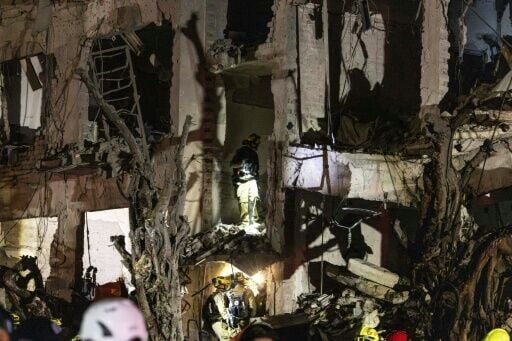
An attack on the Israeli city of Beit Shemesh reportedly killed at least nine people, with others still missing.
Ali Larijani, head of Iran’s Supreme National Security Council, warned, “Today we will hit them with a force that they have never experienced before.”

Iranian President Masoud Pezeshkian described Khamenei’s killing as a “declaration of war against Muslims.”
“Iran considers it its legitimate duty and right to avenge the perpetrators and masterminds of this historic crime,” Pezeshkian said.
Israeli Prime Minister Benjamin Netanyahu said attacks on Iran “will only escalate in the days ahead,” as the Israeli military mobilised around 100,000 reservists and heightened readiness across multiple fronts.
Gulf States Caught in the Crossfire
Iran’s first retaliatory strikes on Saturday hit most Gulf states, sparing only Oman, which had attempted to mediate US-Iran talks. On Sunday, drones struck Oman’s commercial port of Duqm, injuring a foreign worker, according to the Oman News Agency.
Maritime security agencies reported attacks on three ships in the Strait of Hormuz after Iran declared the strategic waterway closed.
Iran’s Revolutionary Guards claimed to have struck the USS Abraham Lincoln aircraft carrier, but the Pentagon dismissed the claim, stating the missiles “didn’t even come close.”
Trump said US forces had sunk nine Iranian naval vessels and partially destroyed Iran’s navy headquarters.
The UAE confirmed three deaths from Iranian strikes and announced it was withdrawing its ambassador from Iran while closing its embassy.
Inside Iran, the Red Crescent reported that 201 people had been killed and hundreds injured in earlier strikes.
Iran’s judiciary confirmed the deaths of senior officials, including Ali Shamkhani and Mohammad Pakpour.
Question of Succession
Mixed reactions were reported inside Iran following confirmation of Khamenei’s death. While some celebrated, pro-government demonstrators also gathered, chanting anti-US slogans.
Iran named Ayatollah Alireza Arafi to join President Pezeshkian on an interim leadership council pending the selection of a permanent successor.
Public sentiment appears divided. Some citizens reportedly expressed hope for political change, while others voiced uncertainty and fear about the country’s future amid the widening conflict.
What you should know
The US says it has destroyed the headquarters of Iran’s Revolutionary Guards and confirmed the first American fatalities in the escalating conflict.
Iran has launched widespread retaliatory strikes across the Gulf and Israel, resulting in further casualties and diplomatic fallout.
Regional tensions have intensified sharply, with naval confrontations, embassy closures, and leadership uncertainty in Tehran adding to fears of a prolonged and wider war.