OPEC+ has agreed to ramp up crude production by 206,000 barrels per day starting next month, even as the explosive conflict ignited by joint U.S.-Israeli strikes on Iran risks severe disruptions to Middle Eastern supply chains.
The decision, reached during a virtual meeting of key members led by Saudi Arabia and Russia, comes at a time when the death of Iran’s Supreme Leader Ayatollah Ali Khamenei and retaliatory missile strikes have already slowed traffic through the vital Strait of Hormuz, a chokepoint for roughly one-fifth of the world’s oil.
The increase, detailed in an official OPEC statement, marks a resumption of phased hikes that were paused through the first quarter of 2026 to address a perceived global surplus and uncertainties surrounding Venezuelan exports.
This latest increment surpasses the 137,000 barrels per day boost implemented in the fourth quarter of 2025, reflecting a cautious acceleration amid rising geopolitical tensions.
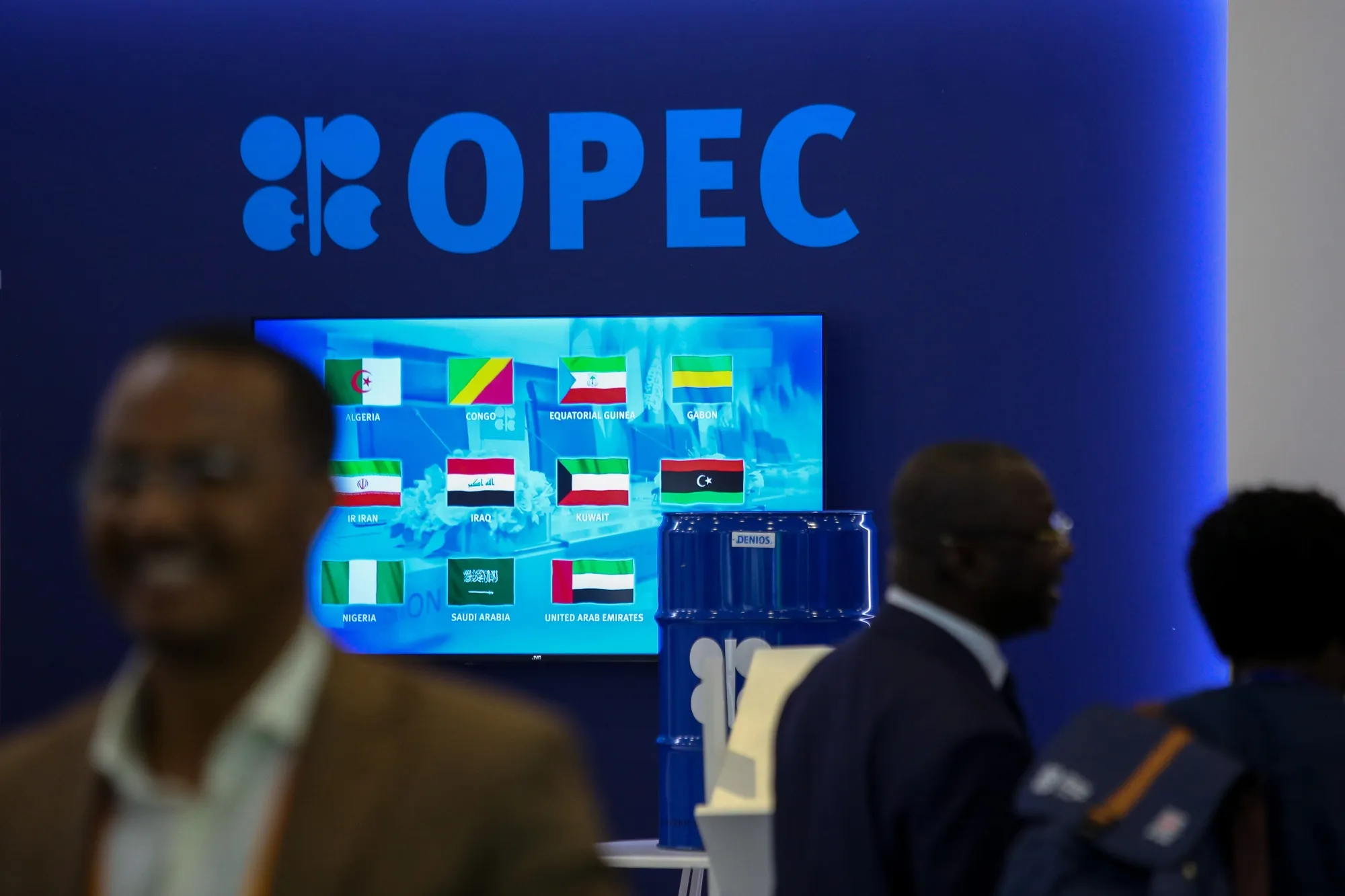
Delegates from the eight participating nations—Saudi Arabia, Russia, Iraq, the United Arab Emirates, Kuwait, Kazakhstan, Algeria, and Oman—emphasized a “steady global economic outlook and current healthy market fundamentals” as rationale for the adjustment, while pledging to monitor conditions closely and retain flexibility to reverse course if needed.
However, the backdrop of war casts a long shadow over the cartel’s strategy. The conflict erupted on February 28 when U.S. and Israeli forces launched coordinated strikes on Iranian nuclear facilities, military bases, and government infrastructure, culminating in the targeted killing of Khamenei during a high-level meeting in Tehran.
Iranian state media confirmed the 86-year-old leader’s death, triggering a 40-day national mourning period and vows of vengeance from Tehran’s interim leadership. In retaliation, Iran fired barrages of missiles at Israeli cities, U.S. bases in the region, and even targets in the UAE and Saudi Arabia, escalating fears of a broader regional conflagration.
Analysts warn that the Strait of Hormuz, through which about 21 million barrels of oil pass daily, could become a flashpoint. Already, reports indicate slowed maritime traffic due to mine threats and naval skirmishes, potentially hampering exports from OPEC+ heavyweights like Saudi Arabia, Iraq, Kuwait, and the UAE.
“The Hormuz needs to reopen for oil to reach markets,” noted one energy strategist, highlighting the irony of OPEC+’s production boost amid such volatility. Indeed, several members had preemptively increased exports last month, echoing their response to U.S. strikes on Iran’s nuclear sites in June 2025, as a hedge against potential shortages.
The decision highlights OPEC+’s enduring challenge: balancing the need to support global supply against the specter of disruptions that could spike prices. Brent crude futures surged 8% in the wake of the initial strikes, hovering around $95 per barrel as markets braced for further instability.
The bloc, which controls over 40% of global oil output through the Organization of the Petroleum Exporting Countries and allies like Russia, has historically adjusted quotas reactively to geopolitical shocks, from the 1973 Yom Kippur War to more recent Libyan outages.
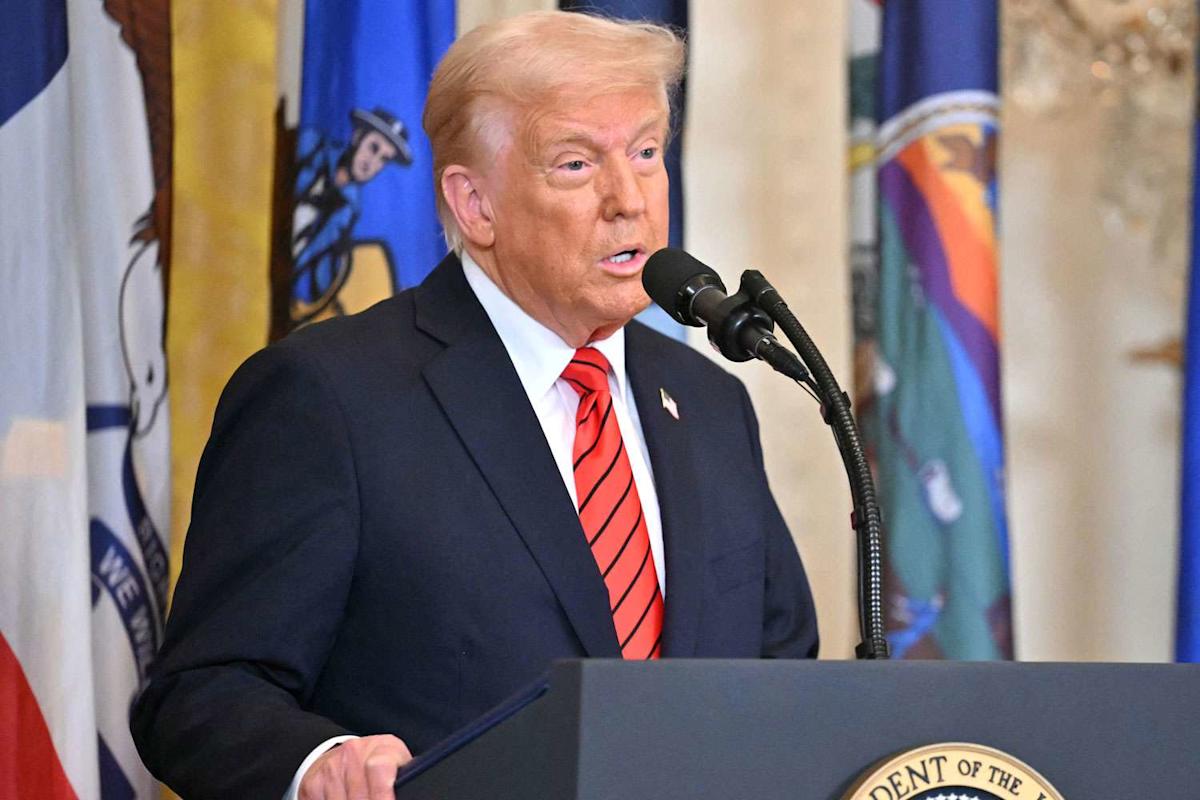
U.S. President Donald Trump, whose administration justified the strikes as a preemptive measure against Iran’s nuclear ambitions and domestic crackdowns, described the operation as “ahead of schedule” in a recent interview.
Meanwhile, international reactions have been polarized. Russian President Vladimir Putin condemned Khamenei’s killing as a “cynical violation of all norms of human morality,” while EU leaders called it a “defining moment,” urging de-escalation. Protests erupted worldwide, from Pakistan—where at least 12 died in clashes—to Europe and the U.S., decrying the assault as an act of aggression.
Looking ahead, OPEC+ plans another review on April 5, where the full scope of the conflict’s impact on output quotas will be assessed.
For now, the group’s modest hike aims to temper price volatility, but with Iranian retaliation intensifying and regional allies on high alert, the path to market stability remains fraught.
WHAT YOU SHOULD KNOW
OPEC+ has decided to increase oil production by 206,000 barrels per day next month—despite the ongoing U.S.-Israeli war with Iran, the death of Supreme Leader Khamenei, and rising threats to the Strait of Hormuz.
OPEC+ (led by Saudi Arabia and Russia) is choosing to pump more oil right now to help prevent crude prices from spiking further amid the Middle East conflict, rather than holding back supply in anticipation of possible major disruptions.
They are prioritizing market stability and lower prices over fully hedging against war-related supply risks.