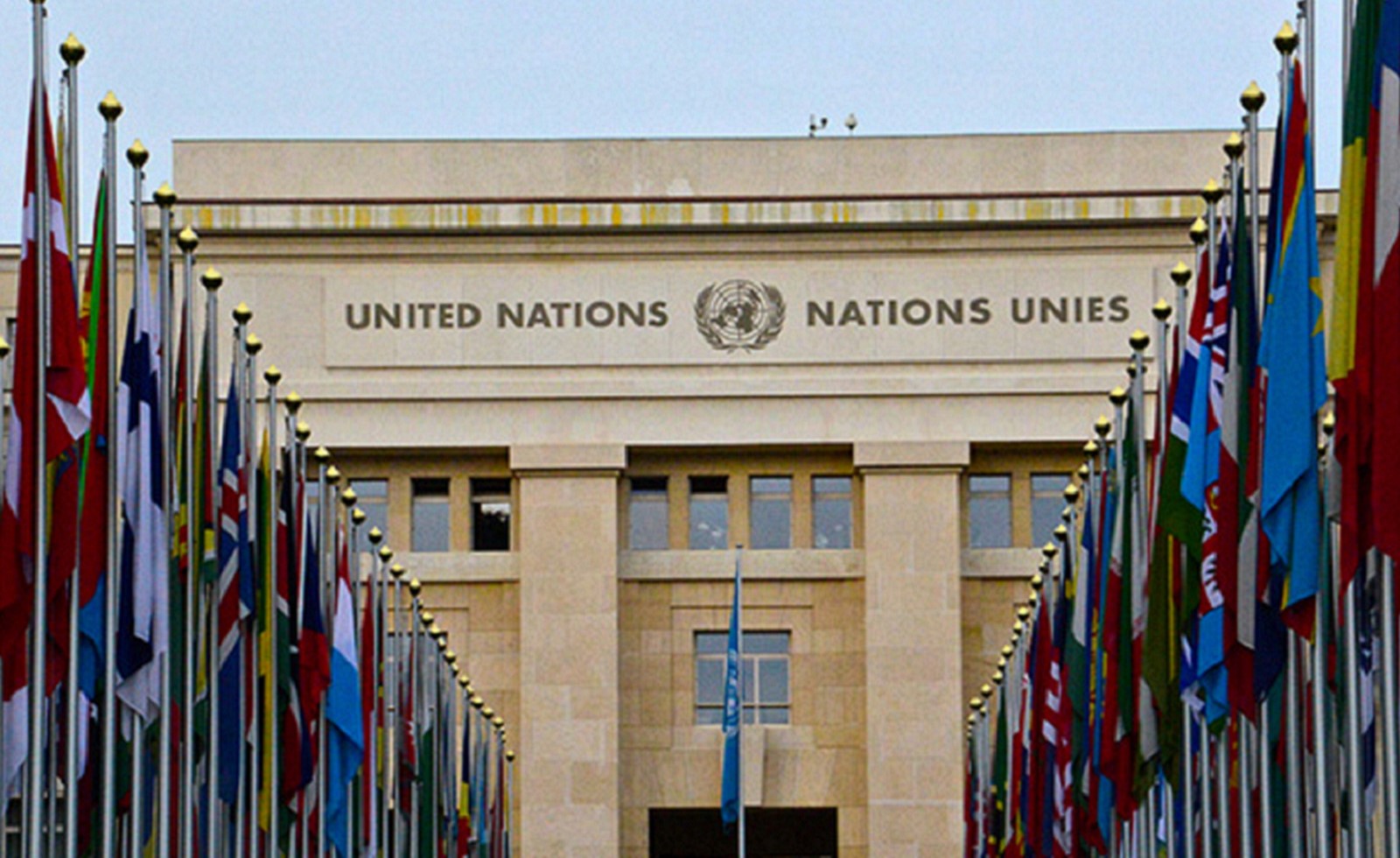
The United Nations General Assembly is set to vote on a resolution that would officially designate the transatlantic African slave trade as “the gravest crime against humanity,” a move supporters say is a significant step toward justice and historical acknowledgment.
John Mahama, a strong advocate for slavery reparations and a key voice within the African Union, visited the United Nations headquarters to push for the adoption of what he described as a “historic” resolution.
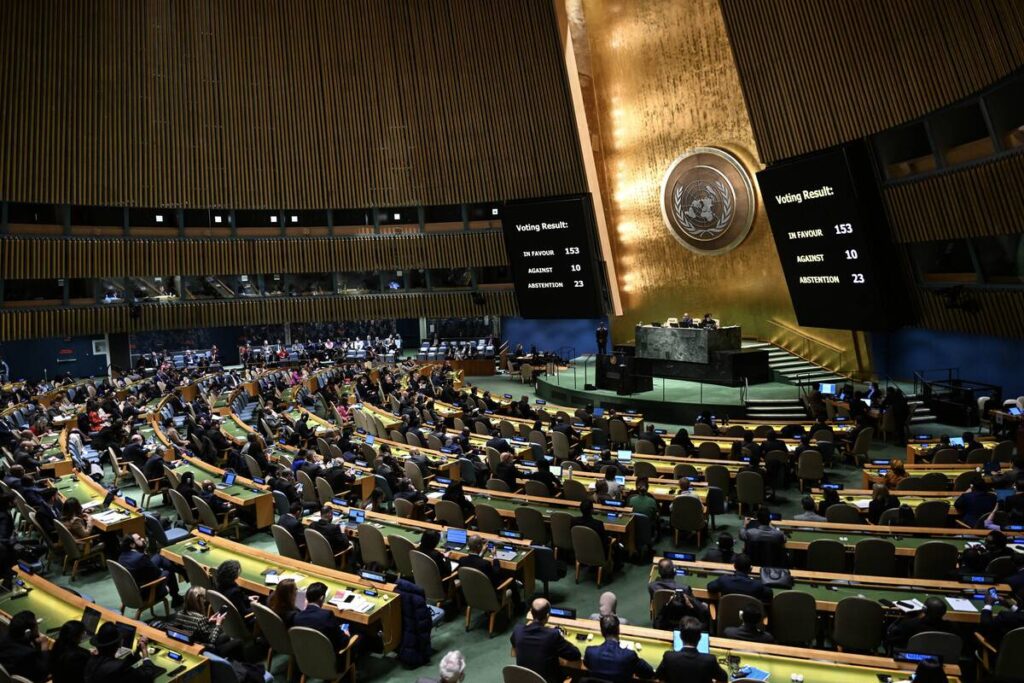
Addressing the UN on Tuesday, Mahama said the measure “allows us as a global community to collectively bear witness to the plight of more than 12.5 million men, women and children, whose homes, communities, names, families, hopes, dreams, futures and lives were stolen from them over the course of 400 years.”
He described the initiative as “a safeguard against forgetting,” while criticizing recent actions in the United States aimed at limiting the teaching of slavery-related history, including efforts to restrict books addressing “the truth of…slavery, segregation and racism.”
The proposed resolution “declares the trafficking of enslaved Africans and racialized chattel enslavement of Africans as the gravest crime against humanity,” and also highlights the long-term consequences of slavery, including persistent racial discrimination and neo-colonial structures in modern societies.
Speaking on the broader implications, Amma Adomaa Twum-Amoah said clearly defining these historical events is essential to justice.
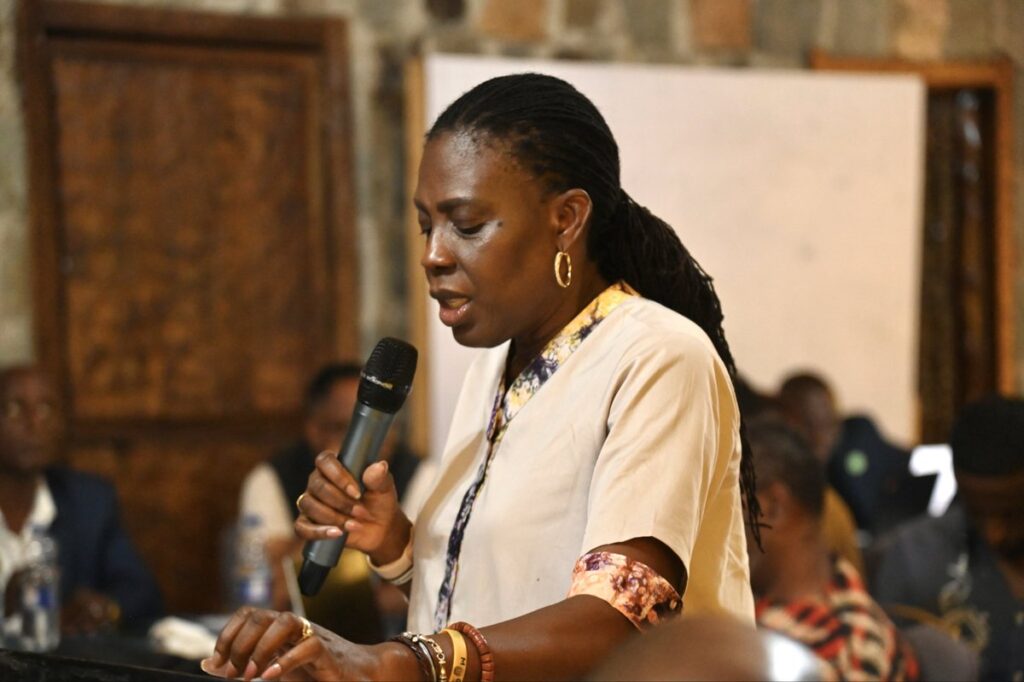
“It is to say that what was done to Africans was not a tragic accident of history, but the result of deliberate policies whose legacies structure today’s inequalities,” she said. “Justice begins with calling things by their proper names.”
Beyond recognition, the resolution calls for nations historically involved in the slave trade to engage in restorative justice efforts. Ghana’s Foreign Minister, Samuel Okudzeto Ablakwa, stated that countries responsible, including European nations and the United States, should formally apologise to Africa and people of African descent.
He added that part of the process could include returning looted artifacts, addressing systemic racism, and offering compensation to affected communities.
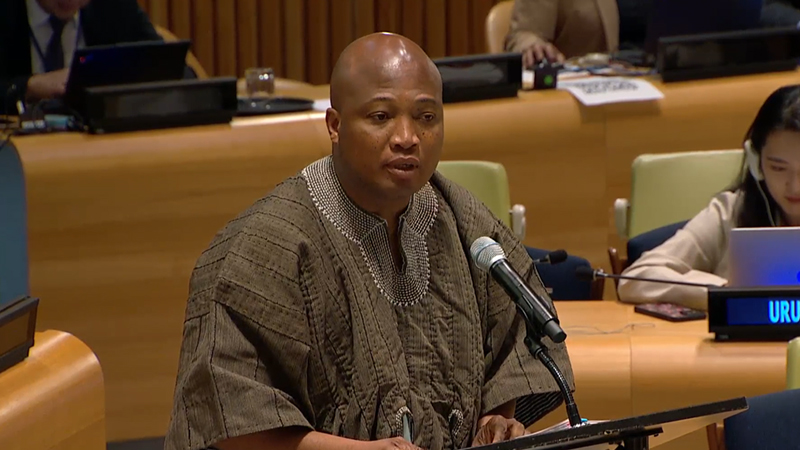
While some critics argue that the wording of the resolution could create a perceived hierarchy of suffering, Ablakwa rejected that interpretation.
“We are not ranking suffering when we say that the transatlantic slave trade represents a ‘gravest crime against humanity,’ it is not to introduce a hierarchy,” he said.
“What we are saying is that if you look at all of the atrocities that have happened in the history of humanity, none have been this systemic, this prolonged, over 300 years, and the lingering consequences of that.”
“We are not ranking pain. We are not saying that our pain should be valued more than your pain.”
What you should know
The UN resolution seeks to formally recognize the transatlantic slave trade as one of history’s most severe crimes, while pushing for accountability and restorative justice.
If adopted, it could strengthen global conversations around reparations, systemic inequality, and historical accountability.
Although largely symbolic, the move reflects growing international pressure to address the long-term impacts of slavery on African nations and the global African diaspora.