The Federal Government has urged Nigerians residing in the Middle East, especially in the Islamic Republic of Iran and neighbouring Gulf countries, to heighten their security awareness amid intensifying military tensions across the region.
In a statement released on Saturday by the Ministry of Foreign Affairs, authorities disclosed that they are carefully tracking developments surrounding reported military strikes carried out by Israel and the United States on targets within Iran, alongside retaliatory responses that have affected parts of the Gulf region.
Citizens living in the impacted areas were strongly encouraged to remain vigilant and stay away from sensitive or strategic sites, including military facilities and government infrastructure, which could become targets should hostilities escalate further.
The advisory also recommended reducing non-essential travel and avoiding large gatherings, demonstrations, or public assemblies until the security atmosphere improves.
Nigerians were further instructed to comply fully with directives from local law enforcement and security agencies, stressing that cooperation with host authorities remains critical to ensuring personal safety.
Diplomatic missions, including the Nigerian Embassy in Tehran and consular offices operating across Gulf nations such as Qatar, Bahrain, Kuwait, the United Arab Emirates, and Saudi Arabia, have been placed on heightened alert to provide assistance and facilitate communication for citizens who may require support.
The government reaffirmed that safeguarding Nigerians abroad remains a central priority and assured that it will continue to monitor the situation closely while issuing updates as events unfold.
It also appealed to the parties involved in the crisis to de-escalate tensions and return to diplomatic engagement in the interest of global peace and international stability.
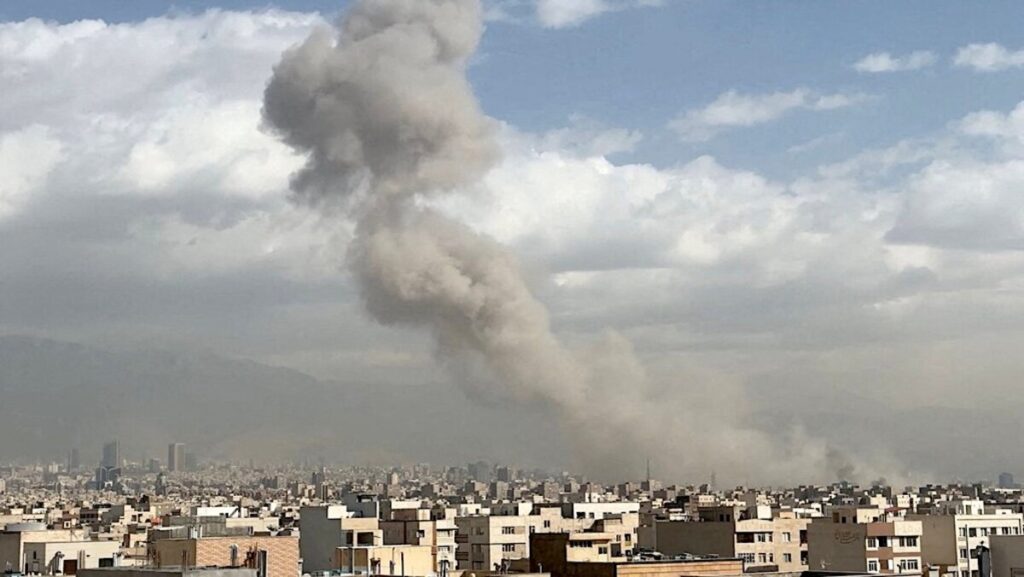
The advisory follows reports of airstrikes on locations in Iranian cities, with explosions and smoke observed in the capital.
United States officials described the operations as efforts designed to neutralise perceived security threats, while Israeli authorities framed the strikes as preventive and defensive actions.
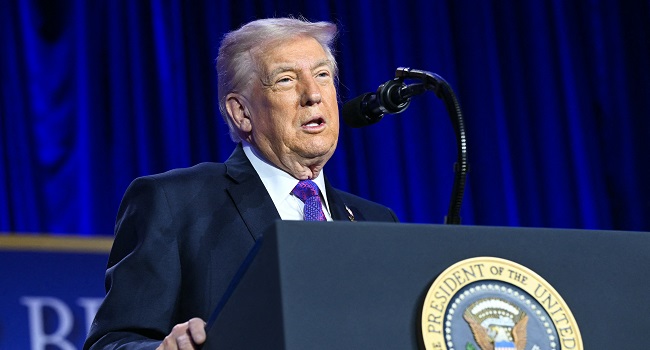
Donald Trump stated that the United States sought to eliminate what he called imminent threats and pledged to dismantle missile systems connected to Iran’s defence structure. Israeli officials similarly maintained that the actions were necessary for national security.
Global reactions to the rising tensions have remained cautious. The African Union voiced concern about the potential consequences for both regional and international stability, urging restraint from all sides.
The European Union also reacted, with European Council President António Costa describing the situation in Iran as troubling and confirming that European leaders remain engaged with regional stakeholders.
The Federal Government concluded by reiterating its call for a peaceful resolution of the crisis and emphasised that diplomacy remains the most effective pathway to resolving complex security disputes.
What you should know
Nigeria’s travel advisory reflects growing concern over escalating military exchanges involving Iran, Israel, and the United States.
While diplomatic missions are on alert to assist citizens, conflicting narratives from global powers continue to shape the crisis. International bodies have urged restraint, but uncertainty remains as tensions ripple across the Gulf.
Nigerians in affected regions are advised to stay cautious, avoid sensitive areas, and comply with local security directives while awaiting further updates from authorities.