The Nigerian government has moved decisively to douse a fast-spreading online narrative implicating it in last week’s failed coup attempt in the neighboring Niger Republic, dismissing the allegations as false, mischievous, and calculated to damage the country’s standing on the continent.
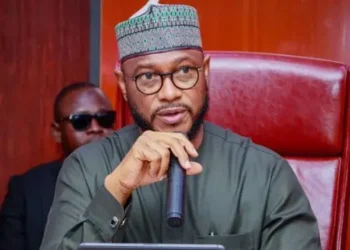
The pushback came in a statement issued by the Ministry of Foreign Affairs, with the Minister of State for Foreign Affairs, Ambassador Sola Enikanolaiye, telling reporters that the ministry’s attention had been drawn to a series of false and mischievous claims circulating on social media, suggesting that the recent failed coup attempt in the Republic of Niger had the backing of ECOWAS and, by insinuation, the endorsement of the Federal Republic of Nigeria.
In unusually blunt language for a diplomatic communique, the minister declared that the Federal Government of Nigeria categorically rejects these claims as baseless, irresponsible, and a deliberate attempt to misinform the public and tarnish Nigeria’s image.
The unrest that triggered the diplomatic firestorm erupted on August 29, when mutinous soldiers launched coordinated assaults on some of the most sensitive installations in Niamey, among them the areas surrounding Diori Hamani International Airport, Air Base 101, the presidential palace, and the state broadcaster.
The mutiny, reportedly involving soldiers drawn partly from frontline units battling jihadist violence, was eventually crushed after hours of gunfire, with forces loyal to the junta reportedly assisted by Russian personnel retaking control.
The attempted putsch carried particular symbolic weight: it was aimed squarely at the military administration of General Abdourahamane Tiani, who himself came to power through a coup in July 2023.
The irony of soldiers attempting to topple a government born of an earlier mutiny has not been lost on regional observers and appears central to Nigeria’s insistence that its criticism of military rule in 2023 cannot be conflated with tacit support for yet another armed takeover.
Enikanolaiye stressed that Nigeria’s rejection of the allegations was rooted in consistency rather than convenience, noting that Nigeria remained firmly opposed to military coups and all forms of unconstitutional changes of government and that the country is committed to constitutional order, democracy, and stability in West Africa, the Sahel, and across Africa.
He pointed out that this was not a new position hastily improvised for the occasion, noting that the position of Nigeria was made clear in our official Press Statement No: MFA/PR/2026/220 of 30 August 2026 issued within a day of the failed coup in which Abuja had already voiced concern and called for calm.
The minister also leaned on Nigeria’s geographic and cultural proximity to Niger to underscore why Abuja has a stake in the outcome, noting that as a sisterly neighbor bound by close historical, fraternal, and cultural ties, Nigeria desires only peace, security, democracy, and development for Niger, the sub-region, and the Sahel, and reiterating that any resort to force to settle political differences is contrary to this objective and to Nigeria’s long-standing foreign policy.
On the specific charge that ECOWAS membership implied endorsement of the coup attempt, the government was equally emphatic.
While Nigeria is a proud and committed member of ECOWAS, it is unfair, mischievous, and entirely false to suggest that Nigeria endorses or condones the military coup, the minister said, urging the Nigerian public, both at home and abroad, to disregard the videos and narratives being circulated online by individuals seeking to sow discord.
The episode lands against a bleak backdrop for constitutional governance in the Sahel and West Africa more broadly. Military juntas currently hold power in Mali, Burkina Faso, and Niger, and the region has been rattled by a wave of coups and attempted coups in recent years that has strained ECOWAS’s credibility as guarantor of democratic norms.
Reports noted that the wave of military interventions also appeared to reach Nigeria in 2025, when speculation emerged in October that the cancellation of Nigeria’s 65th Independence Day parade on October 1 was connected to an alleged military coup plot, a claim the Defence Headquarters initially dismissed, only for the DHQ to confirm in January 2026 that investigations had uncovered an alleged plot involving some military personnel. That history has likely sharpened public sensitivity to any suggestion that Abuja might be entangled, even indirectly, in coup plotting beyond its borders.
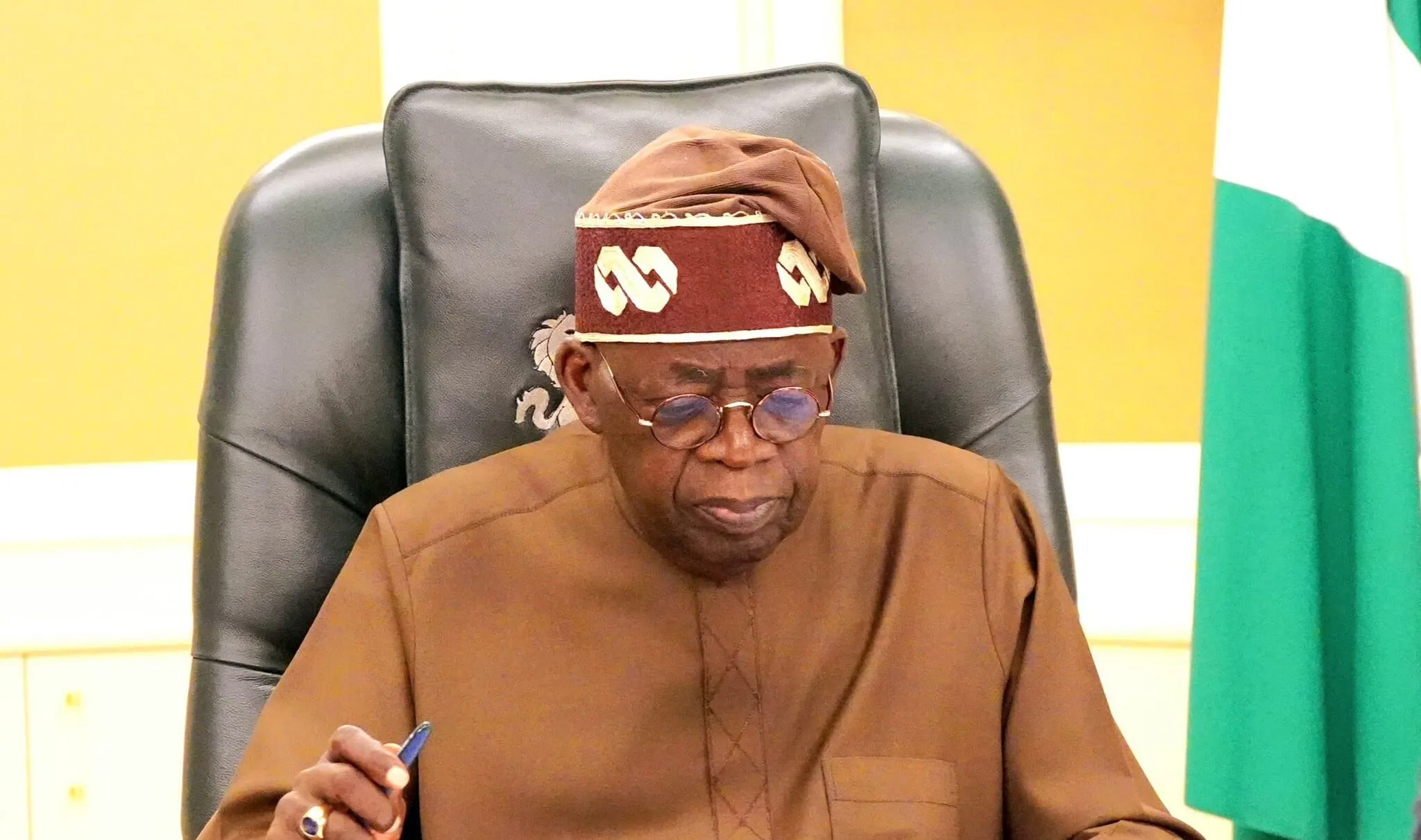
Nigeria’s position on Niger has been closely watched since July 2023, when President Bola Tinubu, then serving as Chairman of the ECOWAS Authority of Heads of State and Government, condemned General Tiani’s takeover and pushed for a swift, peaceful restoration of civilian rule, while stopping short of endorsing military intervention as a solution.
The stance drew criticism from some quarters at the time as inconsistent or overly cautious; Thursday’s statement suggests Abuja is now using the latest crisis to reaffirm that its opposition to Tiani’s junta was never, and is not now, an invitation for a rival faction to seize power by force instead.
Enikanolaiye closed by reaffirming Nigeria’s commitment to the ECOWAS Protocol on Democracy and Good Governance, as well as the African Union’s zero-tolerance policy towards unconstitutional changes of government, pledging that Abuja would continue to work with ECOWAS, the African Union, and the international community to defend democracy, uphold the rule of law, and promote peace and stability across the region.
For now, the Nigerian government’s message is unambiguous: opposing one coup does not mean bankrolling the next.
WHAT YOU SHOULD KNOW
Nigeria has firmly denied any role in the failed August 29 coup attempt against Niger’s military ruler, General Tiani, rejecting claims that ECOWAS or Abuja backed the plot as false and damaging propaganda.
Nigeria’s criticism of military rule in Niger since 2023 was never an endorsement of a rival coup. Abuja opposes all unconstitutional seizures of power, regardless of who’s doing the seizing.
This latest episode underscores just how fragile democratic order remains across the Sahel and how easily misinformation can spread to implicate regional powers in crises they had no hand in.