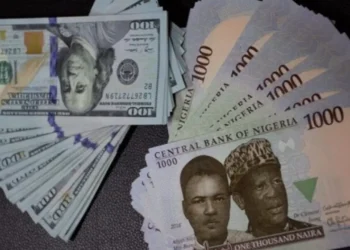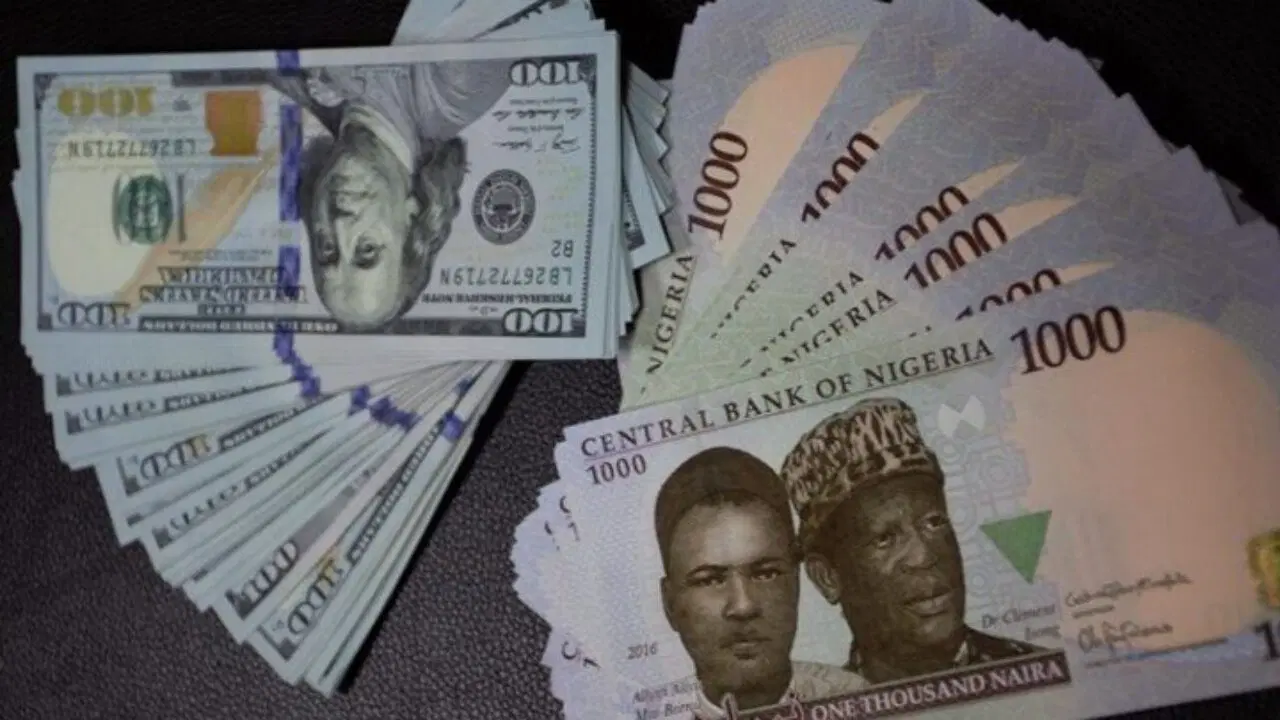
The naira held steady against the dollar on Tuesday across both the official and parallel markets, supported by improved liquidity and moderating import demand.
Data from the Central Bank of Nigeria’s (CBN) exchange rate portal showed the official Nigerian Foreign Exchange Market (NFEM) rate standing at approximately ₦1,362.21 per dollar during the latest available trading session, with the market closing around ₦1,365.00 to the dollar.
Intraday transactions were recorded within a tight band of ₦1,360 to ₦1,366, a range that analysts say reflects a market finding its footing after weeks of incremental gains.
In the parallel market, colloquially known as the black market and widely watched as a barometer of grassroots currency sentiment, the greenback changed hands at approximately ₦1,400 per dollar on the selling side and ₦1,390 per dollar on the buying side, translating to a spread of roughly ₦38 against the official rate.
For currency watchers, it is this spread, or more precisely, its continued narrowing, that carries the most significance.
At the height of Nigeria’s foreign exchange crisis in recent years, the chasm between the official and black market rates ran into the hundreds of naira, breeding arbitrage opportunities, capital flight, and a pervasive lack of confidence in the country’s monetary framework. The fact that this gap now sits at approximately ₦38 is, by any historical measure, a remarkable compression.
“What we are seeing is the logical outcome of sustained reforms,” said one Lagos-based currency analyst who monitors CBN data closely. “When the official market reflects something closer to true market pricing, the incentive to seek out parallel channels diminishes. That is exactly the kind of convergence the CBN has been working towards.”
The convergence trend has been bolstered by Nigeria’s ongoing foreign exchange framework reforms, which have included greater flexibility in rate-setting, improved transparency in dollar allocations, and a more aggressive posture in maintaining FX liquidity, all measures designed to restore confidence among investors and end-users alike.
Tuesday’s stability came on the back of a run of gains recorded by the naira in the opening days of June, when the local currency posted successive improvements against the dollar before levelling off this week.
Market indicators showed the USD/NGN rate hovering around ₦1,360.12 per dollar in the official window, a figure that, not long ago, would have seemed optimistic in analyst projections.
The naira’s strengthening over the past month has been attributed largely to improved foreign exchange supply, driven by a combination of factors: rising oil revenues, improved remittance inflows, and what traders describe as a more predictable CBN intervention posture that has reduced the kind of speculative hoarding that once routinely drove up dollar demand.
Despite the headline stability, currency traders on Tuesday were careful not to overstate the calm, noting that underlying demand for foreign exchange remained persistent, even if it had not escalated into the kind of acute pressure that has rattled the naira in previous periods.
Manufacturers seeking raw material imports, business travelers, students paying overseas tuition fees, and retail end-users continue to queue for dollars through both official banking channels and bureaux de change. That demand, traders noted, has not disappeared; it has simply not surged.
“The moment you see a spike in import demand or any external shock, you could see the rate move,” one dealer at a Lagos bureau de change told this reporter. “For now, things are calm. But calm in this market doesn’t mean the pressure is gone; it just means supply is keeping up.”
For the average Nigerian, the importer stocking shelves, the parent wiring school fees abroad, and the small business owner buying equipment, Tuesday’s rates translate to a cost-of-dollar environment that, while still elevated by long-term historical standards, is meaningfully more predictable than it was at the peak of the FX crisis.
Banks, bureaux de change, and financial institutions may quote rates that vary slightly from the headline figures depending on transaction volumes, location, and prevailing demand, and users are advised to verify rates directly with their financial service providers before transacting.
WHAT YOU SHOULD KNOW
The Nigerian naira is holding steady at roughly ₦1,362–₦1,365 to the dollar in the official market and around ₦1,390–₦1,400 in the parallel market.
The most significant takeaway is the narrowing gap between both markets, now just ₦38, a clear sign that Nigeria’s foreign exchange reforms are working.
Improved dollar supply, moderating demand, and a more transparent CBN policy are collectively pulling the official and black market rates closer together.
While pressure from importers, manufacturers, and everyday users persists, the naira’s current stability signals growing confidence in Nigeria’s FX framework.