China lashed out at Washington on Friday over a fresh round of US tariffs targeting Beijing and 59 other trading partners, accusing the Trump administration of reviving unilateral trade measures and cautioning that a new trade war would serve no one’s interests.
The tariffs, unveiled this week by the Office of the US Trade Representative, are pegged to countries’ compliance with forced-labor import bans.
Rates range from 10 to 12.5 percent, with China facing the steepest levy of the group, a distinction that has drawn particular ire from Chinese officials already wary of renewed friction with Washington.
“We oppose all forms of unilateral tariff measures,” Chinese foreign ministry spokesperson Lin Jian told reporters at a regular briefing in Beijing.
“Tariff wars and trade wars are not in the interests of any party,” he added, a familiar refrain from Chinese officials but one now carrying fresh weight given the fragile state of bilateral relations.
The new duties are designed to replace an expiring global tariff regime that President Trump had rolled out earlier this year. That earlier framework hit a legal wall in February, when the US Supreme Court struck down a swath of the president’s tariffs, significantly curbing his ability to impose sweeping levies unilaterally.
The ruling was widely seen as a setback for Trump’s trade agenda, and the administration has since worked to reconstruct its tariff architecture on firmer legal footing.
US Trade Representative Jamieson Greer framed the new measures as a matter of enforcement rather than protectionism, saying Washington was “rigorously” upholding its forced-labor import prohibitions and arguing it was “well past time for our trading partners to do the same.”
The tariff structure effectively sorts US trading partners into tiers based on their own labor enforcement regimes. Nations that have already implemented forced-labor import bans, including Canada, the European Union, and the United Kingdom, were granted the lighter 10-percent rate.
Other major economies, among them India and Japan, were assigned the higher 12.5-percent tier despite lacking equivalent prohibitions.
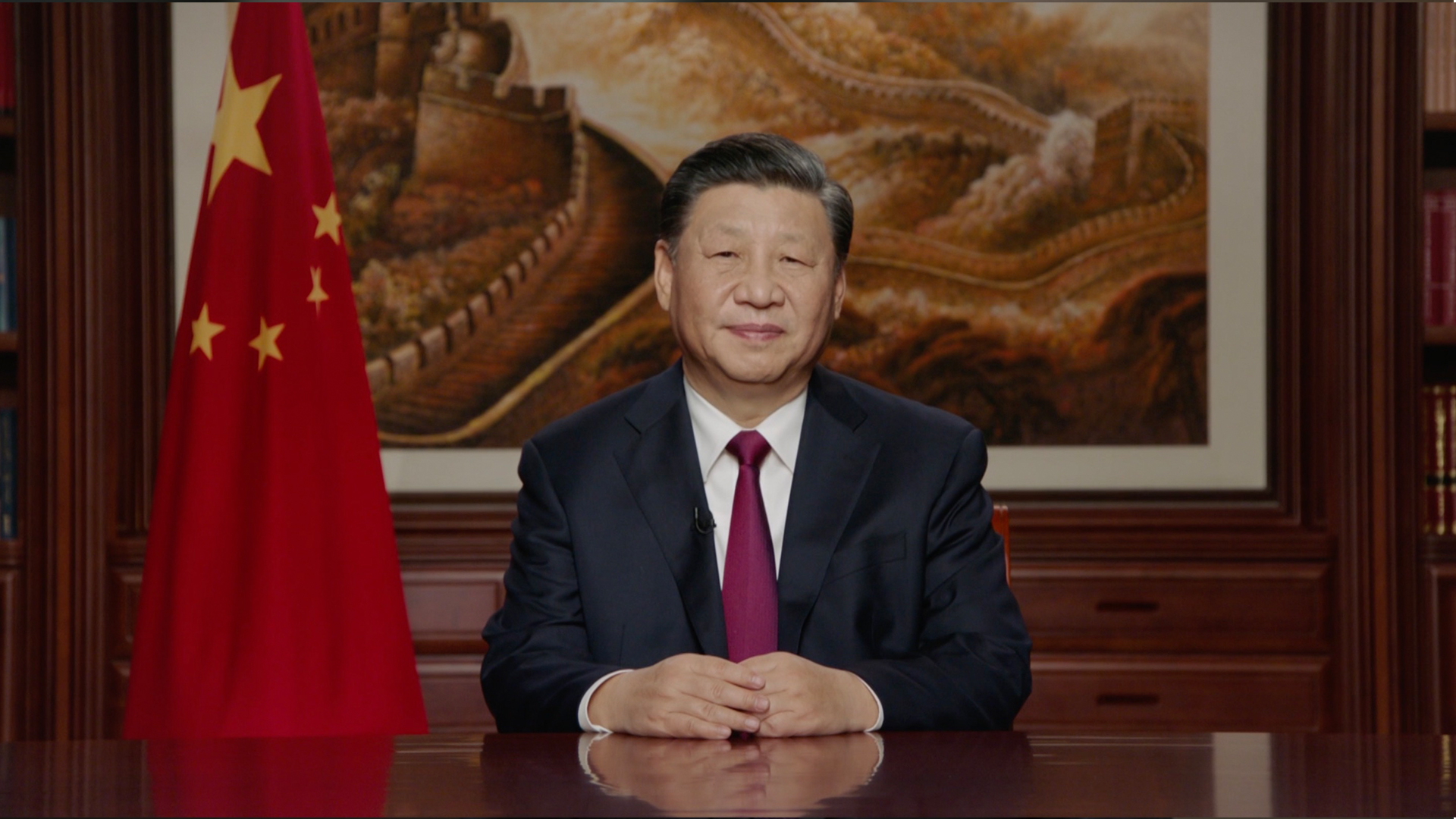
China’s placement at the top of the tariff scale is unlikely to be read in Beijing as coincidental. The designation reopens old wounds from a bruising trade conflict that consumed much of last year, one that only cooled after Trump and Chinese President Xi Jinping met face-to-face in October to broker a truce.
That detente appeared to deepen earlier this year when Trump traveled to Beijing, after which Chinese officials signaled a willingness to cooperate with Washington on rolling back tariffs.
Friday’s announcement threatens to unravel that fragile progress. Analysts will be watching closely for signs of retaliation from Beijing through countervailing tariffs, export controls, or other measures as well as for any indication of whether the forced-labor rationale is seen in Beijing as a genuine policy concern or, as Chinese officials have implied in the past, a convenient vehicle for broader trade pressure.
For now, China’s response has been rhetorical rather than retaliatory, with Lin’s comments stopping short of announcing countermeasures.
But the timing is delicate: with the truce between the world’s two largest economies still relatively young, any escalation risks reigniting a conflict that rattled global supply chains and markets throughout its previous run.
Trade watchers will be looking to Beijing’s Ministry of Commerce in the coming days for a fuller response and to Washington for signals on whether further tariff tiers or exemptions may follow.
WHAT YOU SHOULD KNOW
Washington’s new forced-labor tariffs, hitting China hardest among 60 nations, threaten to unravel the fragile US-China trade truce reached after the Trump-Xi meetings, just as both sides had been moving toward de-escalation.
Whether this dispute stays rhetorical or escalates into retaliation will be the critical thing to watch in the weeks ahead.