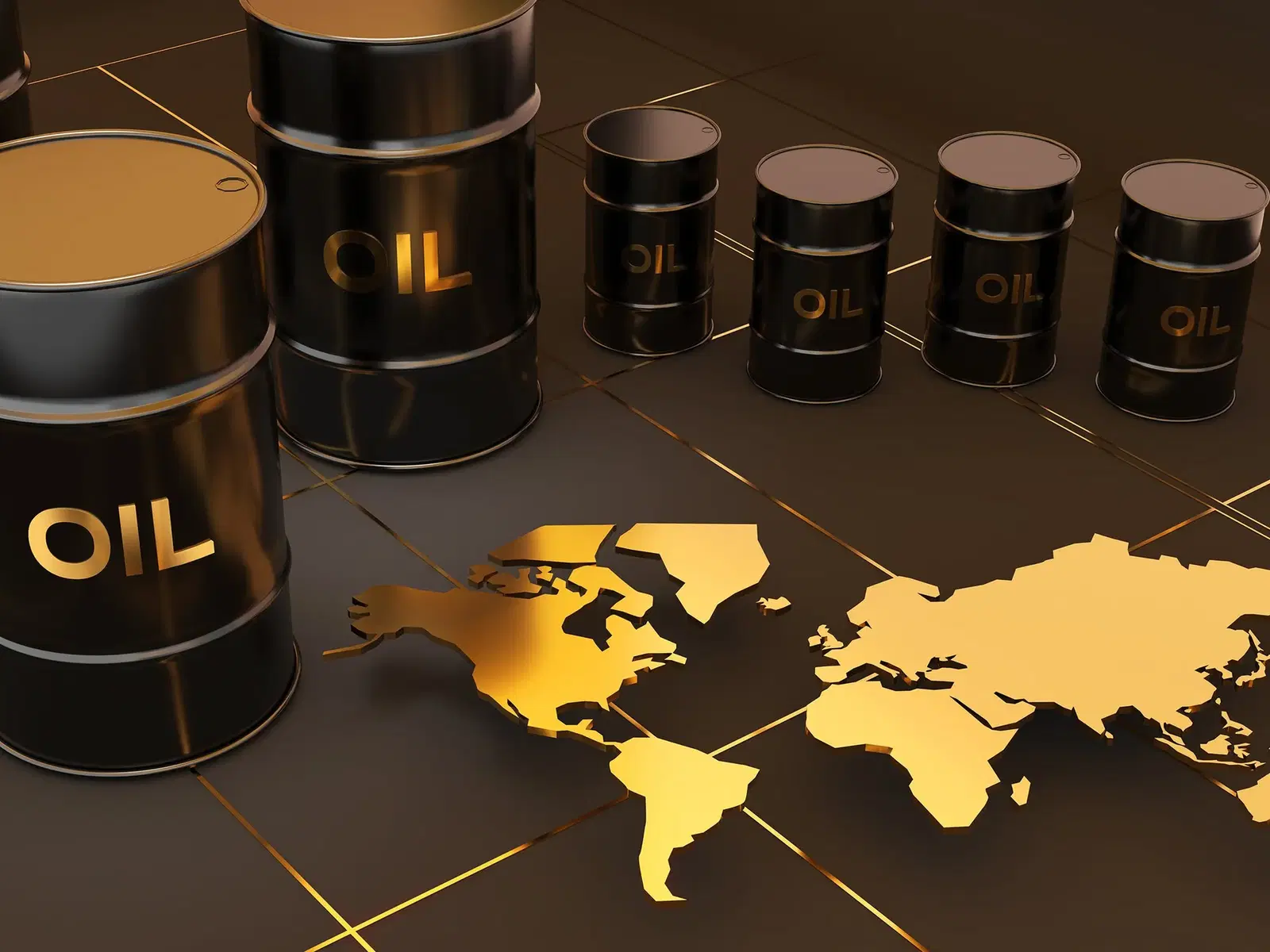
Oil prices clawed back early losses on Thursday to trade almost flat, as traders weighed fragile hopes for a diplomatic breakthrough against the largest disruption to global energy supplies in history.
The standoff stems from the U.S.-Israeli military campaign against Iran, which has seen Tehran effectively shut down the Strait of Hormuz. This narrow chokepoint normally funnels roughly one-fifth of the world’s seaborne oil and liquefied natural gas.
At 06:11 GMT, benchmark Brent crude futures stood at $94.67 a barrel, down a modest 26 cents. U.S. West Texas Intermediate crude, meanwhile, eked out a 14-cent gain to $91.43.
Both contracts had closed little changed on Wednesday after swinging wildly intraday, reflecting the market’s nervous seesaw between de-escalation optimism and fears that the conflict could drag on for weeks.
The physical toll has been staggering. Iran’s blockade of the strait—a response to the U.S.-Israeli strikes—has halted roughly 13 million barrels per day of oil flows, according to analysts at ING. That figure already accounts for limited pipeline rerouting and the handful of tankers still slipping through under escort. With Washington imposing a full naval blockade on Iranian ports following the collapse of weekend peace talks, the disruption risks worsening further.
“While there are hopes for de-escalation, many investors remain skeptical, given that U.S.-Iran talks have repeatedly broken down even after appearing to make progress,” said Toshitaka Tazawa, senior analyst at Fujitomi Securities in Tokyo. “Until a peace deal is reached and free navigation through the strait is restored, WTI prices are expected to continue fluctuating between $80 and $100.”
The two-week ceasefire that began on April 8 has so far failed to unlock the strait. A source close to Iranian leadership told Reuters that Tehran might allow vessels to use the Omani side of the waterway if a formal agreement is reached to prevent further fighting. But trust is in short supply.
U.S. and Iranian negotiators are now considering a return to Pakistan as early as this weekend for the next round of indirect talks. Pakistan’s army chief flew into Tehran on Wednesday in a high-profile mediation bid, underscoring Islamabad’s delicate balancing act between Washington and Tehran.
Adding to the supply-side pressure, U.S. Treasury Secretary Scott Bessent announced Wednesday that Washington would not renew sanctions waivers that had previously allowed limited purchases of Iranian and Russian crude. The move effectively slams the door on any quick workaround for buyers desperate to replace barrels now stranded in the Persian Gulf.
The tightness is already showing up in the numbers. The U.S. Energy Information Administration reported Wednesday that commercial crude, gasoline, and distillate inventories all fell last week. Imports dropped while exports surged as American refiners scrambled to supply allies and trading partners hunting for alternative cargoes.
ING’s analysts captured the mood in blunt terms: “The physical market is becoming tighter every day that passes without a restart of oil flows through the Strait of Hormuz.”
For now, the market remains in a state of suspended animation—prices are elevated but not yet in full-blown panic mode. Traders are pricing in the possibility of a deal, yet they remember how quickly previous rounds of diplomacy have crumbled.
Until tankers can once again move freely through the strait, every diplomatic flicker will be scrutinized, every military movement watched, and every inventory report parsed for signs that the world’s most critical energy artery is about to reopen.
The coming days — and whether those talks in Pakistan bear fruit — will determine if $90-plus oil becomes the new normal or merely a temporary scar from a conflict that has already rewritten the global energy map.
WHAT YOU SHOULD KNOW
Oil prices remained largely stable around $91–$95 per barrel on Thursday, reflecting cautious market skepticism despite ongoing U.S.-Iran peace talks and a fragile ceasefire.
The Strait of Hormuz remains effectively closed due to the U.S.-Israeli conflict with Iran, disrupting approximately 13 million barrels per day of global oil supply—the largest disruption in history.
Until free navigation is restored through this critical chokepoint (which carries ~20% of world oil and LNG flows), prices will stay volatile and elevated, with physical supplies tightening daily. Diplomatic progress in the upcoming Pakistan-mediated talks will be decisive, but repeated past failures justify investor caution.