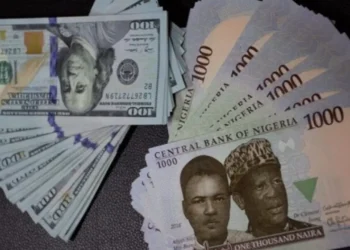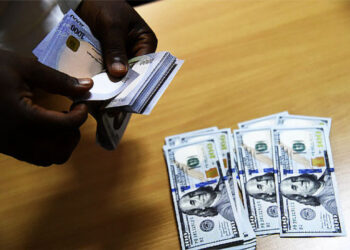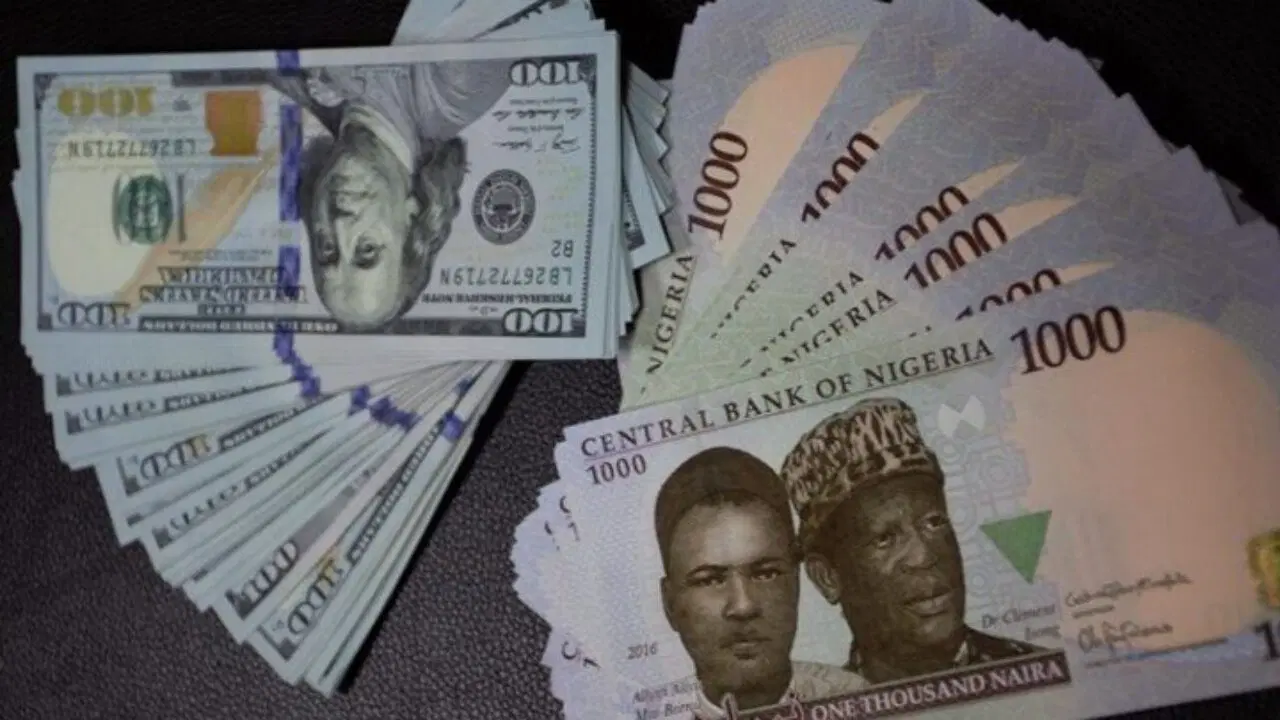
The Nigerian naira delivered a split performance against the US dollar on Wednesday, weakening marginally in the official window even as it clawed back ground in the unregulated street market, according to figures from the Central Bank of Nigeria (CBN) and parallel market data trackers.
At the Nigerian Foreign Exchange Market (NFEM), the naira closed at roughly ₦1,382 per dollar, a slight retreat from the previous session’s close of about ₦ 1,380.50 per dollar.
The latest figures showed a slight depreciation from the previous trading session, reflecting a marginal weakening of the local currency at the NFEM. The dip is small in percentage terms, but it continues a pattern of gentle softening that has persisted in the official window over the past several sessions.
Over the past month, the naira has weakened by roughly 1.65%, even as it remains up close to 9.6% over the trailing twelve months, a reminder that despite day-to-day wobbles, the currency has broadly stabilized compared with the volatility of previous years.
In the black market, the informal channel still relied upon by many Nigerians for remittances, travel, and transactions outside the formal banking system, the naira firmed to around ₦1,412/$, an improvement from ₦1,420/$ a day earlier.
The appreciation narrowed the gap between the official and unofficial markets to roughly ₦30 per dollar, a spread analysts often watch closely as a barometer of confidence in the formal FX system.
That said, rate trackers monitoring street-level trading in hubs like Lagos and Abuja painted a slightly more mixed picture within the day itself, with dealers quoting the dollar for selling anywhere between roughly ₦1,412 and ₦1,422, and buyers offering between ₦1,400 and ₦1,410, underscoring how much variation exists between individual dealers even on the same trading day.
Market participants commonly referred to as “Aboki” in local parlance reported brisk activity in major hubs, driven largely by importers seeking dollars for essential goods, even as supply in the informal window remained constrained despite the CBN’s continued interventions in the official market.
The narrowing spread between official and parallel rates has been a recurring talking point among currency watchers this year, often cited as tentative evidence that CBN reforms aimed at improving liquidity and transparency in the FX market are gaining traction.
Still, the persistence of a premium, however narrow, in the black market suggests that structural constraints on dollar access continue to push some demand outside official channels.
Nigeria’s currency has had a turbulent 18 months. Wise’s historical data shows the dollar has traded as high as roughly ₦1,480 in January 2026 and as low as around ₦1,333 in February 2026, illustrating just how wide the swings have been even within this year alone.
Wednesday’s modest movements, a few naira here, a few naira there, are unlikely to shift that broader narrative. Still, they will be watched closely by traders, importers, and everyday Nigerians alike as indicators of where the currency heads next.
WHAT YOU SHOULD KNOW
The naira’s story on July 15 wasn’t really about the numbers moving; it was about the gap closing. While the official rate dipped slightly to ₦1,382/$ and the parallel market improved to ₦1,412/$, the real signal is that the spread between official and black-market rates narrowed to roughly ₦30, the tightest it’s been in recent sessions.
That narrowing gap matters more than either individual rate, since it’s the clearest indicator that CBN’s liquidity reforms are gradually pulling demand back toward the formal FX system even as underlying dollar scarcity keeps a premium alive in the streets.