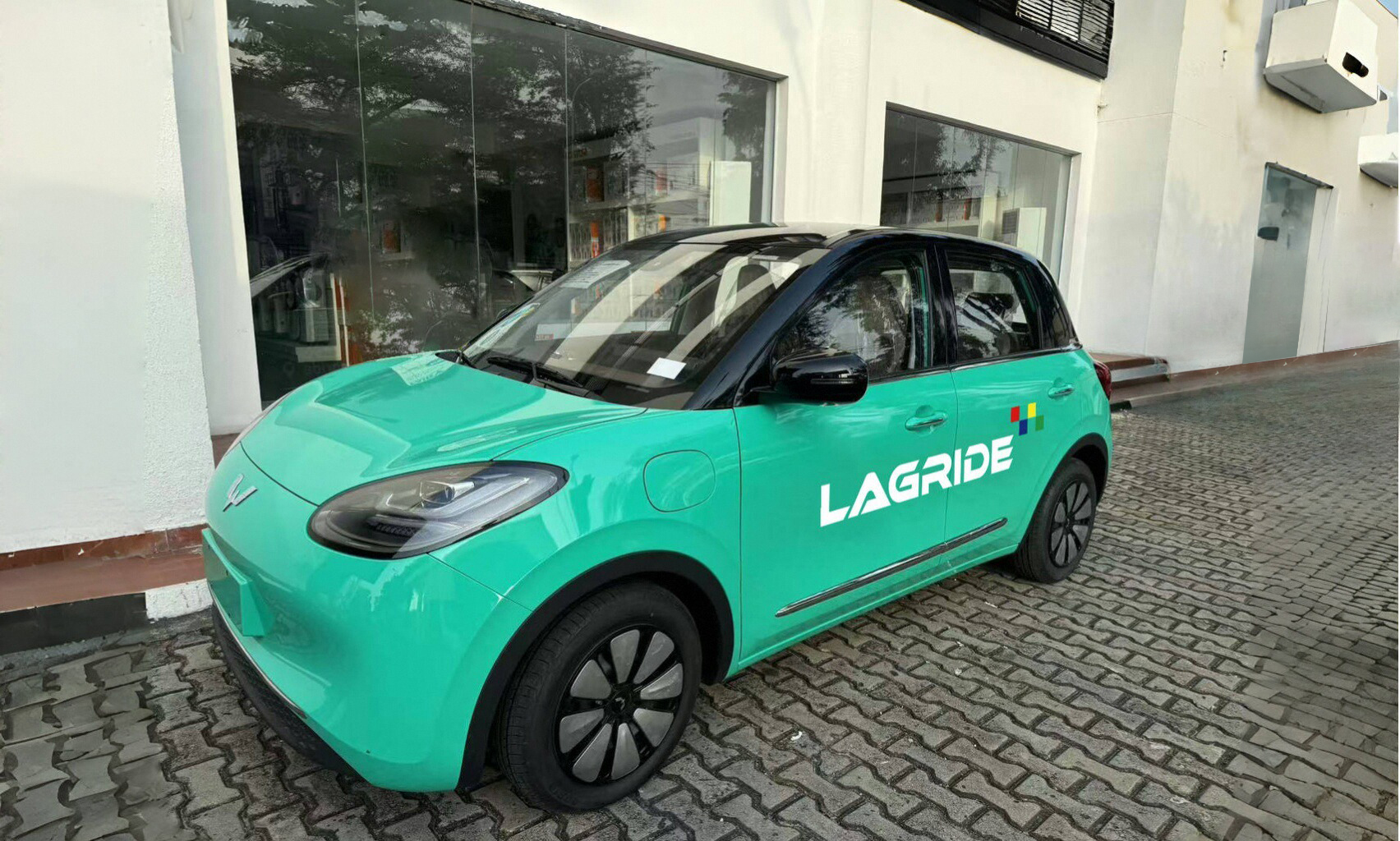
A LaGride driver has accused the Lagos State-backed platform of withholding his earnings for months, only to turn around and bill him for missing targets.
The driver, whose identity has been withheld pending further investigation, alleges that from November of last year through March, he consistently earned an estimated ₦1.8 million monthly on the LaGride platform, a figure that would place him among the platform’s more productive operators.
Over the course of those five months, he claims to have generated close to ₦9 million in total revenue, none of which, he says, was ever remitted to him.
“I drove every single day. I gave everything to this platform,” the driver reportedly told sources familiar with the matter. “And at the end of it all, I have nothing to show for it.”
What makes the allegations particularly striking is the human cost embedded in the driver’s account. According to him, the grueling nature of the work left little room for rest or personal life. He reportedly logged up to 15 hours behind the wheel daily, six days a week, a schedule that regulators and labor experts would likely flag as dangerously unsustainable.
On multiple occasions, he claims, the demands of the job were so relentless that he could not even afford the time or energy to return home. Instead, he slept in his vehicle, using the car not just as his instrument of labor but as his shelter.
Adding to the financial strain, the driver alleges that he routinely dipped into his personal funds to cover fuel costs, a significant overhead expense that, in the absence of any platform payments, would have steadily eroded whatever savings he had.
For a driver reportedly earning nothing in official payouts while spending substantially on operations, the financial picture he paints is one of deepening debt and desperation.
Perhaps the most startling dimension of the driver’s account is his claim that, rather than receiving the payments he says he is owed, he has instead been presented with a ₦1.3 million bill by the platform ostensibly as a penalty for failing to meet designated performance targets.
The irony, critics would note, is difficult to overlook: a driver who reportedly worked six days a week, up to 15 hours a day, sleeping in his car to maintain availability, is now being told he did not do enough.
It remains unclear what specific targets were set, over what period they applied, or whether the driver was clearly briefed on the consequences of falling short. These are questions that LaGride and its managing authorities will likely be pressed to answer as scrutiny over the matter grows.
LaGride was launched by the Lagos State Government as a regulated alternative to private ride-hailing platforms, with a stated mission to provide safer, more structured, and fairer conditions for both drivers and passengers.
The platform was positioned as one that would, among other things, protect drivers from the kind of arbitrary treatment that critics say has plagued private operators in the industry.
The allegations now leveled against it, if substantiated, would represent a significant contradiction of those founding ideals—and could open the door to broader questions about the welfare frameworks, payment structures, and contractual transparency governing drivers on the platform.
As of the time of this report, LaGride had not issued a public statement addressing the driver’s specific claims. It is not yet known whether the driver has pursued formal redress through the Lagos State government, the National Union of Road Transport Workers, or any legal channel.
This case, whatever its ultimate resolution, shines a light on a tension that has long simmered beneath the surface of Nigeria’s growing ride-hailing economy—the vulnerability of drivers who, classified neither as full employees nor traditional contractors, often find themselves with limited recourse when disputes with platforms arise.
Labor advocates have for years called for clearer regulations governing payment timelines, penalty structures, and the rights of gig workers in Nigeria. This driver’s account may yet become a rallying point for those demands.
WHAT YOU SHOULD KNOW
A LaGride driver’s ordeal exposes a troubling contradiction at the heart of Lagos State’s government-backed ride-hailing platform. Despite working punishing 15-hour days, sleeping in his car, and personally funding his operations, the driver allegedly received nothing from an estimated ₦9 million he generated—and is now being handed a ₦1.3 million penalty bill for underperformance.
WATCH VIDEO HERE