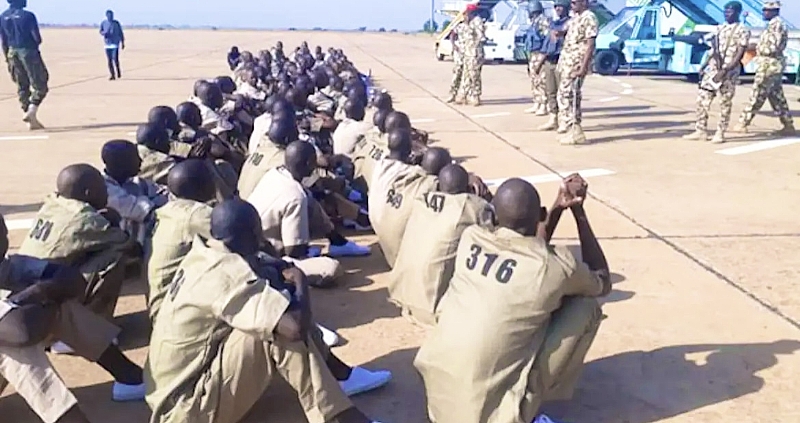
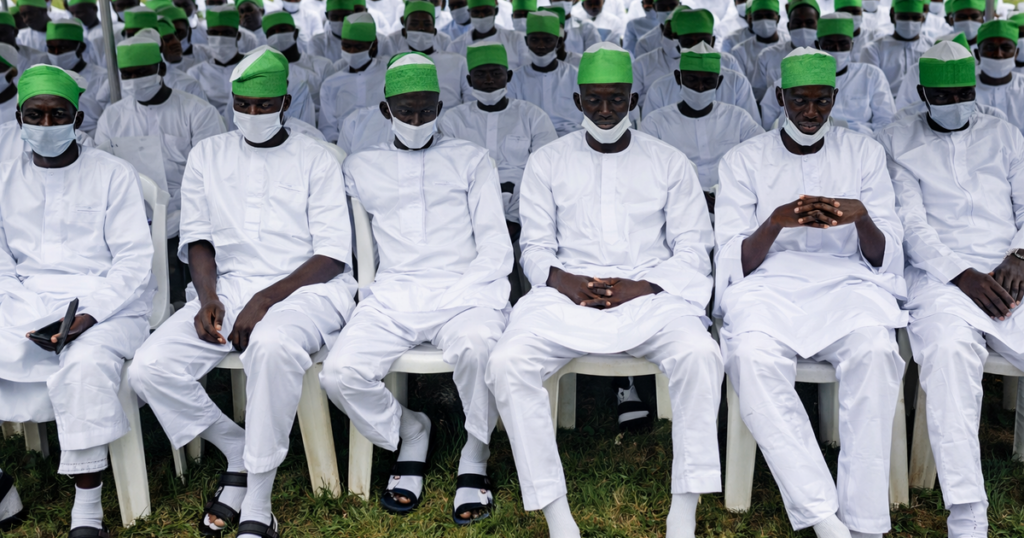
The Federal Government has announced that 744 former terrorists and victims of violent extremism will be reintegrated into society following their graduation from its De-radicalisation, Rehabilitation and Reintegration Camp under Operation Safe Corridor.
The breakdown of the former terrorists shows that two are from Abia State, 10 from Adamawa State, one from Akwa Ibom State, two from Anambra State, 12 from Bauchi State, 597 from Borno State, three from Ebonyi State, one from Enugu State, 15 from Kano State, three from Katsina State, one from Kebbi State, five from Kogi State, four from Nasarawa State, two from Niger State, two from Plateau State, two from Sokoto State, and 58 from Yobe State.

The beneficiaries also include foreign nationals, with one from Burkina Faso, one from Cameroon, two from Chad and four from Niger Republic.
According to reports, 733 of the beneficiaries are Muslims, while 11 are Christians.
Speaking during the ceremony held in Gombe, North-East Nigeria, the Chief of Defence Staff, Olufemi Oluyede, said the reintegration effort forms part of a broader plan to curb violent extremism and promote lasting peace, stressing that the programme is not a reward for wrongdoing.
“This is not an amnesty programme, but a deliberate strategy to reduce violence, discourage extremist recruitment and ensure long-term national stability,” he said.
The 744 beneficiaries, drawn largely from the North-East, underwent months of rehabilitation, which included psychosocial support, vocational training, religious reorientation and civic education aimed at preparing them for peaceful civilian life.
Represented by the Director of Special Operations Forces at Defence Headquarters, Kabiru Tanimu, he said the initiative was designed to address the human dimensions of insurgency and foster sustainable peace.
“This moment is not just a ceremony; it is a statement of progress, a demonstration of national resolve and a testament to the power of strategic thinking in addressing the human dimensions of conflict,” he said.
Authorities noted that the long-term success of the programme will depend largely on community acceptance, effective monitoring, and sustained support from state governments and local stakeholders.
Similarly, during a media tour of facilities at the centre, the Coordinator of Operation Safe Corridor, Yusuf Ali, clarified that the Nigerian military has not recruited repentant terrorists into its ranks, dismissing widespread public claims.
“Many Nigerians lack adequate understanding of the Federal Government’s structured counter-terrorism programme under Operation Safe Corridor, which is aimed at rebuilding peace in communities affected by terrorism across the country,” he said.
The Federal Government urged the graduates to take advantage of the opportunity and refrain from returning to violence, warning that they now carry the responsibility of contributing positively to their communities.
What you should know
The reintegration of 744 former terrorists under Operation Safe Corridor reflects Nigeria’s shift toward combining military action with rehabilitation strategies in tackling insurgency.
While the programme focuses on deradicalisation and reintegration, its success depends heavily on community acceptance and long-term monitoring. Authorities insist it is not an amnesty but a security strategy aimed at reducing recruitment into extremist groups.
However, the initiative continues to generate debate among Nigerians, with concerns about safety, accountability, and whether rehabilitated individuals can fully reintegrate without posing future risks to society.