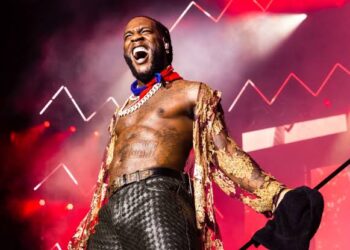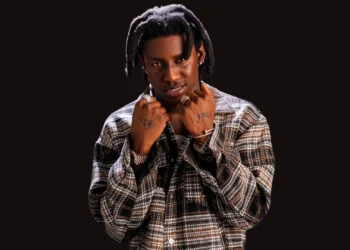
Celebrity cryptocurrency entrepreneur Linus Williams Ifejirika, better known to millions of followers as Blord, walked out of the Kuje Correctional Centre on Friday after a Federal High Court in Abuja granted him bail.
The condition, however, carries weight: he must surrender his international passport to the court.
The news was confirmed by activist and former presidential candidate Omoyele Sowore, who took to his official Facebook page with a brief but significant statement: “Bail has been granted to Linus Williams, popularly known as @mrblordofficial BLORD, on self-recognizance. The court, however, ordered that he deposit his international passport as part of the bail conditions.”
For Blord, the release marks the end of a bruising stretch of incarceration that began on April 1, a date that must have felt cruelly symbolic, when he was arraigned at the Federal High Court in Abuja before Justice Emeka Nwite and subsequently remanded at the Kuje Correctional Centre for 26 days, a period that spanned the Easter holiday.
Blord faced three counts at arraignment: impersonation, forgery, and obtaining by pretenses—offenses under Sections 78(2)(b), 308(a), and 309 of the Penal Code. The charge sheet alleged that between March 20 and 27, 2026, he conspired with others to forge flight tickets and used VeryDarkMan’s image without consent, causing potential harm.
At the heart of the allegations is a bitter and very public war between two of Nigeria’s most recognizable online personalities. According to VeryDarkMan, whose real name is Martins Vincent Otse, Blord allegedly forged flight tickets bearing his name and falsely claimed he had paid him ₦500 million to serve as a brand ambassador. VeryDarkMan further alleged that Blord used his image on billboards and promotional materials without his consent, claiming endorsement of certain business ventures.
The court also heard allegations that Blord used VDM’s image on social media, presented him as a brand ambassador without his knowledge, created a fake app, and forged a flight ticket to suggest that VDM endorsed the “Billpoint” platform—claims the activist strongly denied.
Blord pleaded not guilty to all charges.
The courtroom drama did not emerge from thin air. It is the culmination of a feud that simmered for months and eventually exploded in the full glare of the Nigerian internet.
The rift reportedly started around 2024 but escalated significantly in October 2025 when VDM publicly accused Blord of business fraud—specifically, that he sold refurbished iPhones while marketing them as brand-new iPhone 17 devices, an accusation that sparked widespread debate online.
VeryDarkMan had carved out a reputation as a fearless voice in the Nigerian online space, someone who positioned himself as a watchdog against alleged scams and deceptive businesses.
Blord, by contrast, existed in a completely different lane—one defined by wealth display, digital entrepreneurship, and aggressive branding; his presence in the crypto and tech space was built on a mix of innovation claims, luxury lifestyle projection, and strong marketing tactics.
The dispute worsened in early 2026. Blord reportedly trademarked the name “Ratel” and moved to stop VDM from using it, issuing a cease-and-desist letter through his lawyers.
In response, VDM was said to have attempted to trademark the “BLORD” name, further intensifying their rivalry. The feud soon moved beyond business accusations, with both sides trading claims of overpriced products, filing petitions with law enforcement, and leaking private materials.
Blord’s time in Kuje was not without turbulence. Reports emerged that he had fallen ill since April 6, 2026, and was transferred from a cell known as “Egypt 2″—reportedly the section of Kuje prison housing armed robbers and other serious offenders—to segregation due to his deteriorating health.
The case drew fierce and divided public reaction. While some Nigerians called for calm and urged VDM to withdraw the case, others insisted the matter should be resolved strictly through legal means.
Rapper Phyno publicly appealed to VDM during a stage performance in Enugu, asking him to consider settling the dispute, and VDM later admitted he was open to withdrawing the case out of respect for the music star.
Sowore, whose announcement confirmed Blord’s release on Friday, had been among the most vocal critics of the entrepreneur’s continued detention, arguing that the matter could have been treated as a civil dispute rather than a criminal case—an intervention that added further momentum to ongoing debates about police powers and pre-trial detention in Nigeria.
While Blord is now free to breathe outside the walls of Kuje, his legal battle is far from over. The passport surrender is a standard but significant restriction — it signals the court’s intent to ensure he remains within reach as proceedings continue. Both camps remain firm in their positions: Blord is out on bail, and VDM is determined to see the case through.
Legal analysts say the outcome of this matter could carry implications far beyond this particular feud. The case is being watched closely as one that could set precedents for online impersonation in Nigeria’s growing and increasingly contentious tech and influencer economy.
WHAT YOU SHOULD KNOW
Nigerian cryptocurrency entrepreneur Blord has been granted bail after spending weeks in Kuje Prison over charges of impersonating a social media activist. VeryDarkMan — allegations rooted in a months-long feud involving forged documents, unauthorized use of VDM’s image, and a disputed ₦500 million endorsement claim.
While Blord walks free on self-recognition with his passport surrendered to the court, the legal battle is far from over.
What began as a social media rivalry over business ethics has escalated into a landmark legal case that could redefine how Nigeria’s courts treat online impersonation and identity misuse in the digital age.