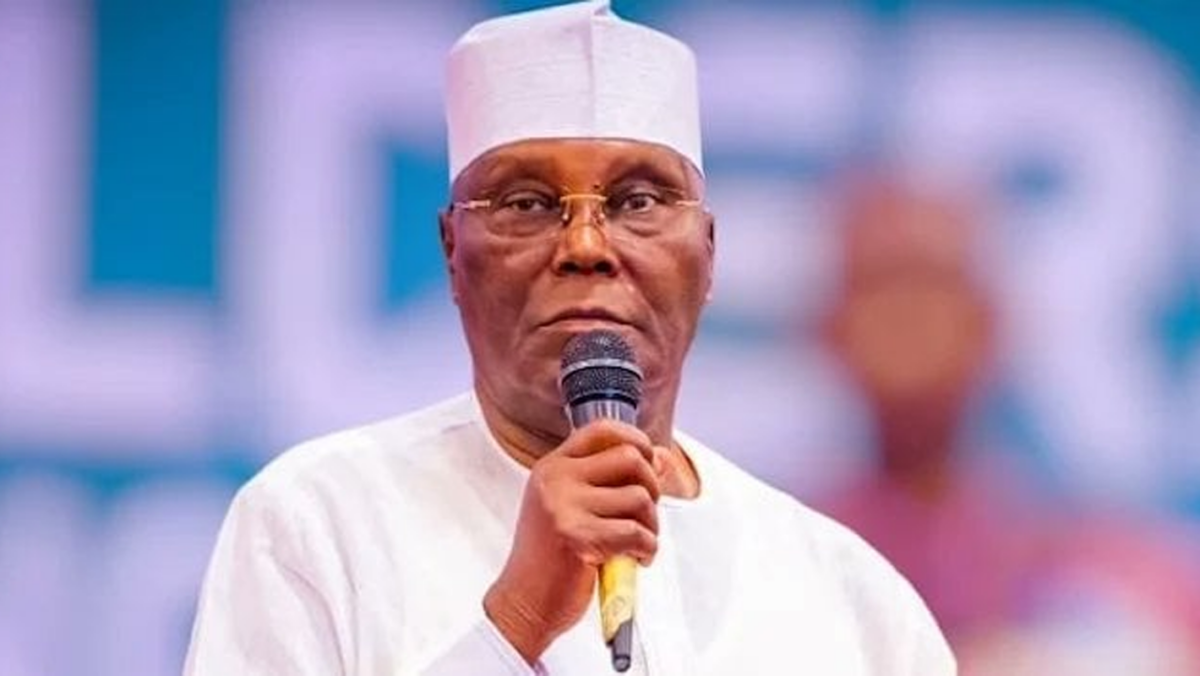
Former Vice President Atiku Abubakar has declared that the 2027 presidential election will be his last attempt at Nigeria’s top office, bringing a potential end to a decades-long ambition that dates back to 1992.
Speaking during an interview on Arise Television’s Prime Time programme, Atiku said, “The 2027 election will be my last outing.”
Responding to concerns about his repeated attempts and age, Atiku argued that Nigeria’s core challenge remains leadership, insisting that his experience distinguishes him from current President Bola Ahmed Tinubu.
“There is a clear and stark difference… they do not have capable and experienced president to guide them and to give them the benefit of his experience,” he said, while criticising what he described as ineffective leadership at various levels of government.
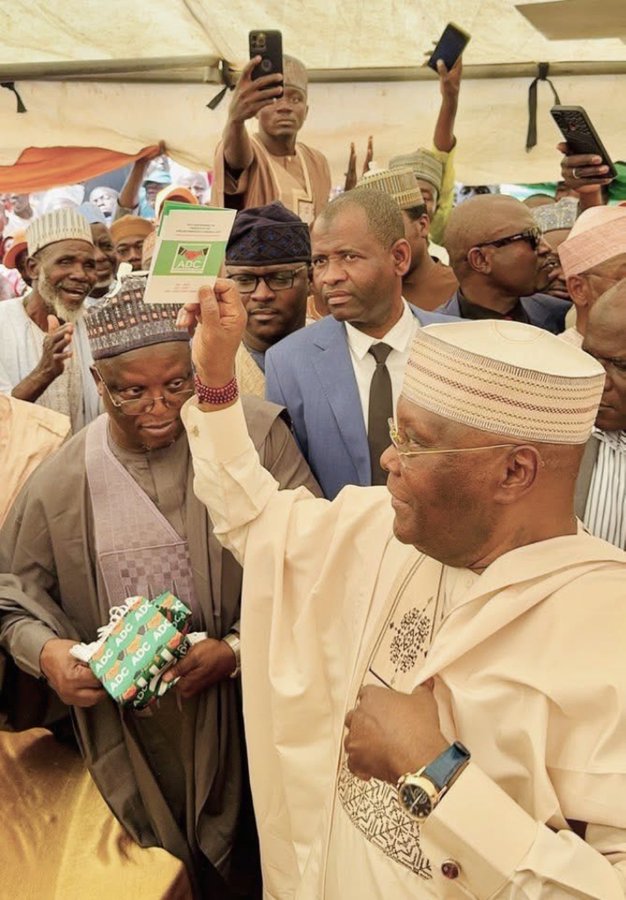
He attributed governance challenges in some states to what he called inexperienced leadership, suggesting that younger leaders often struggle without strong guidance from the presidency.
Atiku also referenced the administration of former President Goodluck Jonathan, stating that inexperience at the top contributed to the country’s difficulties during that period.
Despite his criticism of younger leadership, the former vice president advocated for structured leadership training for Nigerian youths, stressing that the country needs to build a pipeline of capable future leaders.
His latest declaration sets the stage for what could be a defining political contest in 2027, as he positions himself once again as a candidate anchored on experience and long-standing involvement in Nigeria’s political landscape.
What you should know
Atiku Abubakar’s announcement signals a possible final chapter in his long-standing presidential ambition, having contested multiple times since 1992.
His campaign narrative is expected to centre on experience and leadership capacity, contrasting with younger politicians. However, his remarks on leadership and past administrations may spark debate within political circles.
As 2027 approaches, his candidacy could reshape opposition dynamics, influence party alignments, and intensify discussions about age, experience, and generational leadership in Nigeria’s political future.