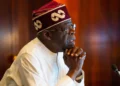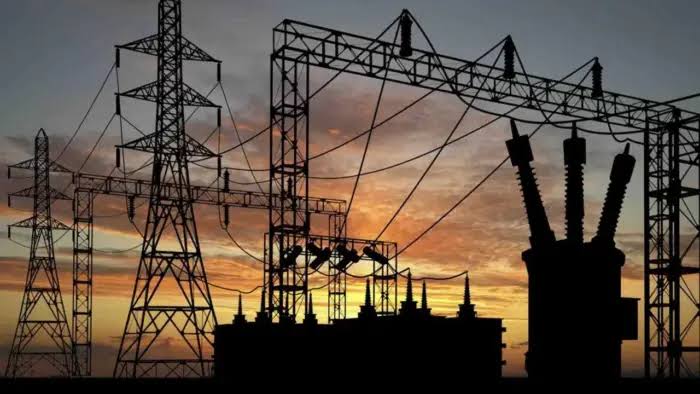
Nigeria’s Minister of Power, Adebayo Adelabu, has issued an official apology to Nigerians over the recent wave of electricity outages, assuring citizens that improvements are expected in the coming days.
Speaking during a press conference on Tuesday, Adelabu acknowledged the hardship caused by the unstable power supply, particularly during the intense dry season heat.
“I want to apologise to Nigerians, officially now, coming from me as the minister of power, for this temporary issue that is leading to hardship being experienced, especially during this dry season, where there is so much heat everywhere,” he said.
“Businesses are being affected, schools have been affected, and industries have been affected. It is not our wish to find ourselves in this situation, but it is due to some factors that are actually beyond our control.”
The minister explained that the outages are largely driven by gas supply shortages affecting generation companies. According to him, the situation is linked to outstanding debts owed to gas suppliers, which has disrupted consistent fuel supply to power plants.
He further warned that the ongoing Middle East war could exacerbate the situation by affecting global energy markets.
Nigeria’s power sector depends heavily on gas-fired plants, which have long struggled with challenges such as inadequate gas supply, pipeline maintenance issues, ageing infrastructure, and liquidity constraints. These factors, Adelabu noted, continue to limit the efficiency and capacity of electricity generation.

“These issues collectively impact both the quantity and quality of gas delivered to power plants, leading to underutilisation of installed generation capacity, increased outages, and inefficiencies in power production,” he said.
To address the persistent challenges, the minister proposed expanding renewable energy solutions, particularly through off-grid and mini-grid systems aimed at improving access without putting additional pressure on the national grid.
“Renewable energy offers a cost-effective and sustainable pathway to expand access without overburdening the national grid,” he stated.
He also stressed the importance of integrating more renewable sources such as solar and hydro into the national grid to diversify energy generation and reduce dependence on gas-powered systems. According to him, this approach would not only cut costs but also strengthen energy security and support environmental goals.
“Integrating utility-scale solar, hydro, and other renewables will also enhance energy security and support climate objectives,” Adelabu added, noting that such a transition would require significant investment in grid monitoring systems and planning to ensure stability.
Away from the energy sector, Adelabu declined to confirm speculation about a potential governorship bid in Oyo State ahead of the 2027 elections. His comments come amid a directive from Bola Tinubu requiring political appointees with electoral ambitions to resign by March 31.
The minister, however, maintained that he remains committed to public service at either the national or subnational level, while noting that there is still time before the deadline.
What you should know
Nigeria’s power challenges are deeply tied to its reliance on gas-fired plants, which are vulnerable to supply disruptions and financial constraints.
The government’s push toward renewable energy signals a shift aimed at improving long-term stability and reducing dependence on gas. However, immediate relief depends on resolving debt issues and stabilising fuel supply.
The situation also reflects how global events, such as the Middle East conflict, can influence domestic energy availability and costs.