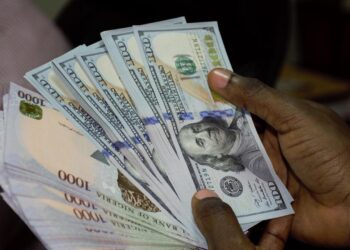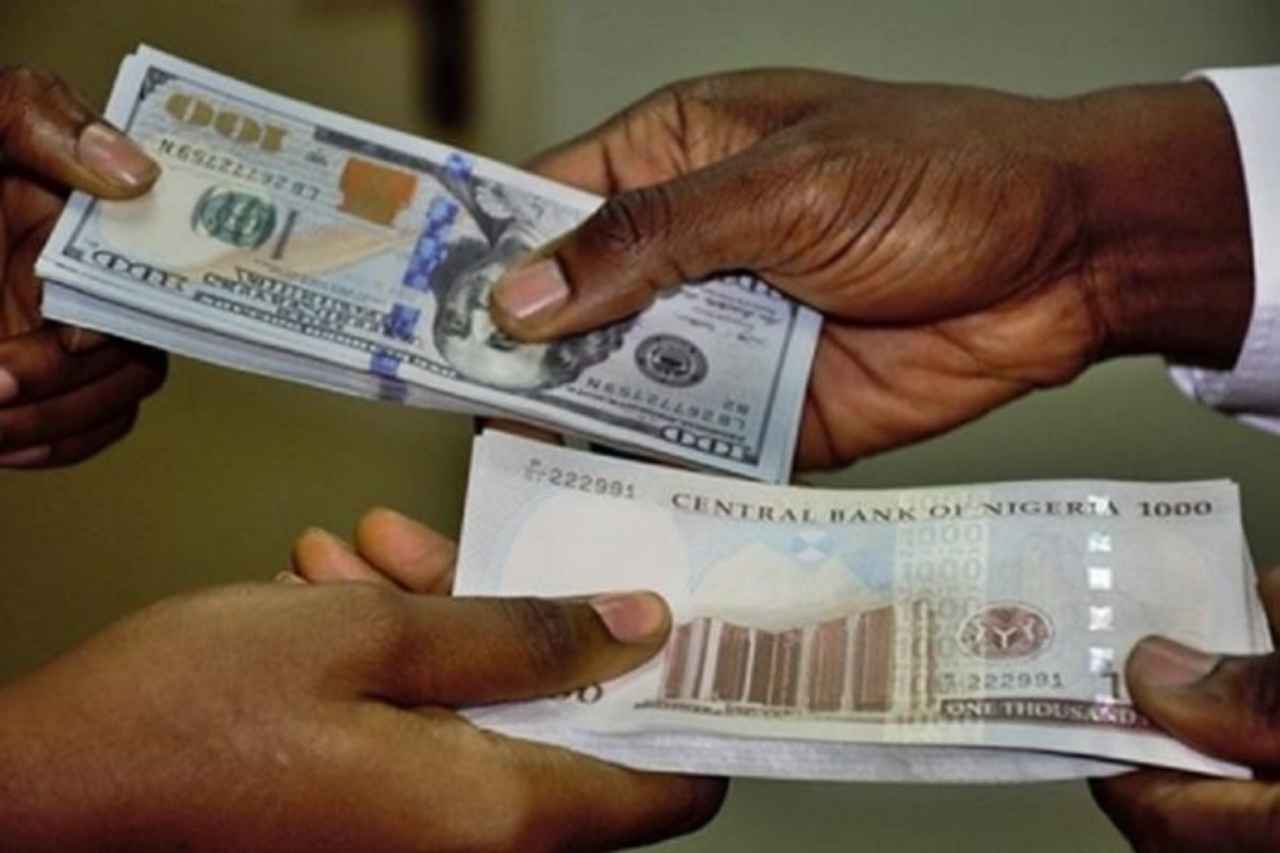
The naira opened the new trading week on solid footing, extending a run of relative calm that has characterized Nigeria’s currency market for much of the past month.
At the official Nigerian Foreign Exchange Market (NFEM), the local unit settled at ₦1,362.09 to the dollar in the last completed session on July 24, a modest but telling improvement from where the currency stood just weeks earlier.
Trading within that session ranged between a high of ₦1,365.00 and a low of ₦1,359.00 before closing at ₦1,361.00, figures that point to a market trading in a tight, orderly band rather than lurching on speculative pressure.
The steadiness marks a continuation of a broader trend. The official rate had stood at roughly ₦1,380.17 to the dollar as recently as July 1, and was still hovering near ₦1,382 by mid-July.
The naira’s gradual strengthening since then, shaving off roughly ₦20 against the greenback over the course of the month, suggests improving dollar liquidity in the formal banking system, likely aided by the central bank’s continued interventions and possibly firmer autonomous inflows from exporters and portfolio investors.
The parallel market told a similar story of calm on Monday morning, with street dealers quoting the dollar for buying at around ₦1,350 and selling at roughly ₦1,375. That spread of about ₦25 between buy and sell rates is unremarkable by the standards of Nigeria’s often-volatile black market, and more importantly, the gap between the parallel rate and the official NFEM window has narrowed considerably.
For years, the chasm between Nigeria’s official and unofficial exchange rates has functioned as a kind of confidence barometer, widening sharply whenever dollar scarcity or policy uncertainty spooked the market and narrowing when reforms took hold.
As recently as mid-July, that gap had stretched to roughly ₦30 in the naira’s favor on the parallel side; a few days before that, black-market dollars were fetching as much as ₦1,408 to ₦1,420, a considerably wider premium than what traders are quoting today.
The tightening spread now on display suggests the twin markets are inching closer to genuine price discovery, precisely the outcome the CBN’s unification-driven reforms have been designed to produce.
Context from the monetary policy side reinforces the sense of a central bank playing a long, cautious game rather than chasing short-term wins.
The Monetary Policy Committee last week opted to hold the benchmark monetary policy rate at 26.5 percent, a decision policymakers framed around lingering global economic headwinds and a desire to lock in the macroeconomic stability gains made so far rather than risk unsettling them with a rate shift in either direction.
Holding rates at an already restrictive level keeps naira-denominated assets attractive to foreign portfolio investors chasing yield, a dynamic that, if sustained, could continue to support the currency by drawing in the kind of capital inflows that ease dollar demand pressure at the NFEM window.
The parallel market, in particular, remains highly localized: rates quoted by Bureaux de Change operators in Lagos’s Broad Street can diverge meaningfully from those in Kano, Abuja, or Onitsha, shaped by transaction volumes, dealer margins, and the ebb and flow of demand from importers, students paying tuition abroad, and travelers.
Analysts also note that the naira’s trajectory from here will hinge on variables outside the CBN’s direct control: global oil prices, dollar strength in international markets, and the pace of foreign portfolio inflows chasing Nigeria’s high-yield fixed-income instruments.
For now, though, the numbers out Monday morning offer the central bank a reason for cautious satisfaction: a currency trading in a narrow band, a shrinking gap between official and street rates, and a policy stance that has, for the moment, kept both inflation-wary and stability-minded voices in the room reasonably content.
WHAT YOU SHOULD KNOW
The naira’s real story right now isn’t the exact rate; it’s the convergence.
Official and parallel market rates have narrowed to a gap of roughly ₦25–30, down sharply from the wider spreads seen in previous years, signaling that CBN’s reform push is genuinely improving dollar liquidity and market confidence rather than just holding the currency steady through intervention alone.
Combined with the MPC’s decision to hold rates at 26.5% to protect these gains, the message for now is one of hard-won stability but one still exposed to oil prices and global capital flows, so it shouldn’t be mistaken for a permanent fix.