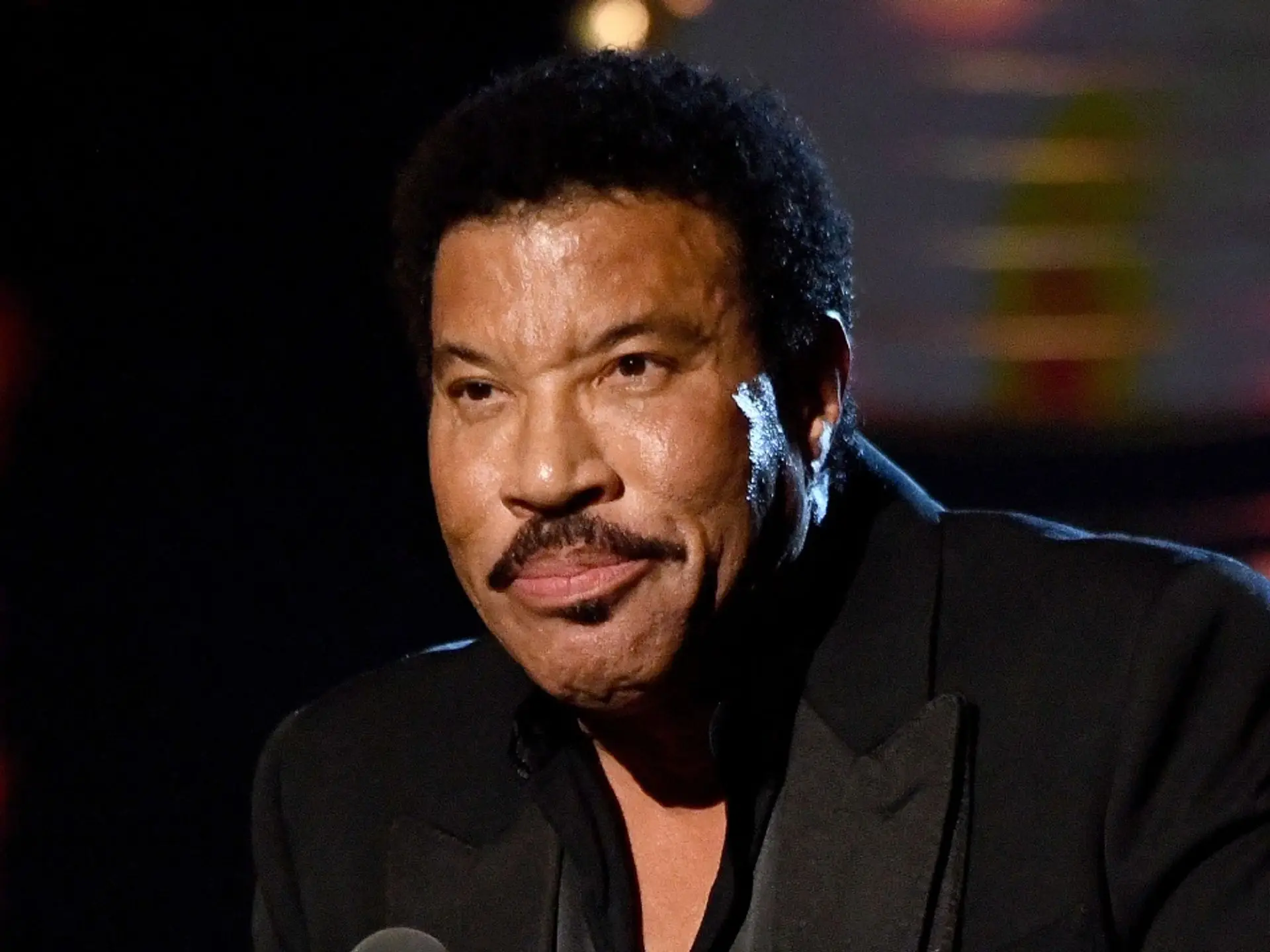
Music icon Lionel Richie has filed four trademark applications with the United States Patent and Trademark Office, seeking legal ownership over audio recordings of himself delivering some of the most recognizable phrases in popular music history.
The phrases “Hello, is it me you’re looking for?”, “Say You, Say Me,” “Easy Like Sunday Morning,” and “All Night Long” are more than nostalgic callbacks. In Richie’s hands, they are now potential legal weapons in the growing war against artificial intelligence-generated deepfakes.
The applications were submitted through RichLion Holdings LLC, an entity associated with the four-time Grammy Award winner, on an “intent-to-use” basis, meaning they are not yet being deployed commercially, but the legal groundwork is being deliberately laid.
Intellectual property attorney Josh Gerben of Gerben IP, who first flagged the filings, was clear about their intent. This is not about copyright over song lyrics. It is about something far more forward-thinking, establishing a new legal framework that could give celebrities meaningful protection against AI systems that are now capable of replicating voices, faces, and personalities with unsettling accuracy.
The legal basis for such protection lies in trademark law, which permits sounds to be registered if they function as source identifiers, meaning the public associates them with a specific individual or brand rather than a general creative work.
Netflix’s signature “tu-dum” sound is the most well-known example of a successfully trademarked audio signature, and it represents the benchmark Richie’s legal team must meet.
However, the USPTO is expected to scrutinize these applications closely, demanding evidence that the recordings function as brand identifiers and not simply as famous song phrases. It is a high bar and one that will not be easily cleared.
What makes Richie’s legal push so urgent is the fact that the threat he is guarding against is not hypothetical it is already unfolding across the industry.
In 2023, an AI-generated track that convincingly mimicked the voices of Drake and The Weeknd amassed over 250,000 streams on Spotify before being pulled from the platform.
Neither artist had consented to its creation. More alarming still, Sony Music recently disclosed that it had been forced to request the removal of more than 135,000 AI-generated tracks impersonating artists on its roster, a figure that speaks volumes about the sheer scale and speed at which the problem is growing.
For a performer of Richie’s global stature, the stakes are both personal and financial. His voice is one of the most commercially valuable and culturally recognizable in the world.
The idea of it being replicated, manipulated, and monetized by AI without his knowledge or consent is not merely an abstract legal concern; it is a very real and present danger.
The uncomfortable truth is that existing laws were never designed with AI in mind. In the United States, a person’s voice and likeness are currently protected only under state-level right-of-publicity laws, a fragmented and inconsistent system that leaves enormous legal gaps, particularly when AI-generated content crosses state and national boundaries.
Recognizing this inadequacy, legislators in Washington have reintroduced the NO FAKES Act, a proposed federal law that would establish a unified intellectual property right covering an individual’s voice and likeness, providing far more robust and consistent protection against unauthorized AI-generated replicas.
The bill remains under deliberation, but its reintroduction reflects growing political acknowledgement that the current legal framework is dangerously outdated.
Lionel Richie’s trademark bid is significant not just for what it seeks to protect but for the precedent it could set. As Gerben noted, “If successful, these filings could become an important test case for how trademark law adapts to the AI era.”
Should the USPTO approve the applications, it could trigger a wave of similar filings from entertainers, athletes, and public figures worldwide, fundamentally redefining how identity is protected in the digital age.
Even if the applications are ultimately rejected, they will have succeeded in spotlighting a critical legal question that courts and lawmakers can no longer afford to defer.
At its heart, this is a story about control, about who has the right to a person’s voice, image, and identity in a world where AI can manufacture both with the click of a button.
Lionel Richie has fired the opening shot. The entertainment industry, the legal system, and Silicon Valley are all watching to see what comes next.
WHAT YOU SHOULD KNOW
Lionel Richie’s move to trademark his voice is more than a celebrity legal filing; it is a warning signal to the entire entertainment industry.
As AI technology grows increasingly capable of replicating human voices and likenesses with frightening accuracy, existing laws are simply not keeping pace.
The core takeaway is this: if one of music’s most recognizable voices can be vulnerable to unauthorized AI replication, anyone can be.
Richie’s applications, whether successful or not, are forcing a long-overdue conversation about where the law stands and where it urgently needs to go.
The real battle is not just over four iconic phrases. It is over who controls your identity in the age of artificial intelligence.