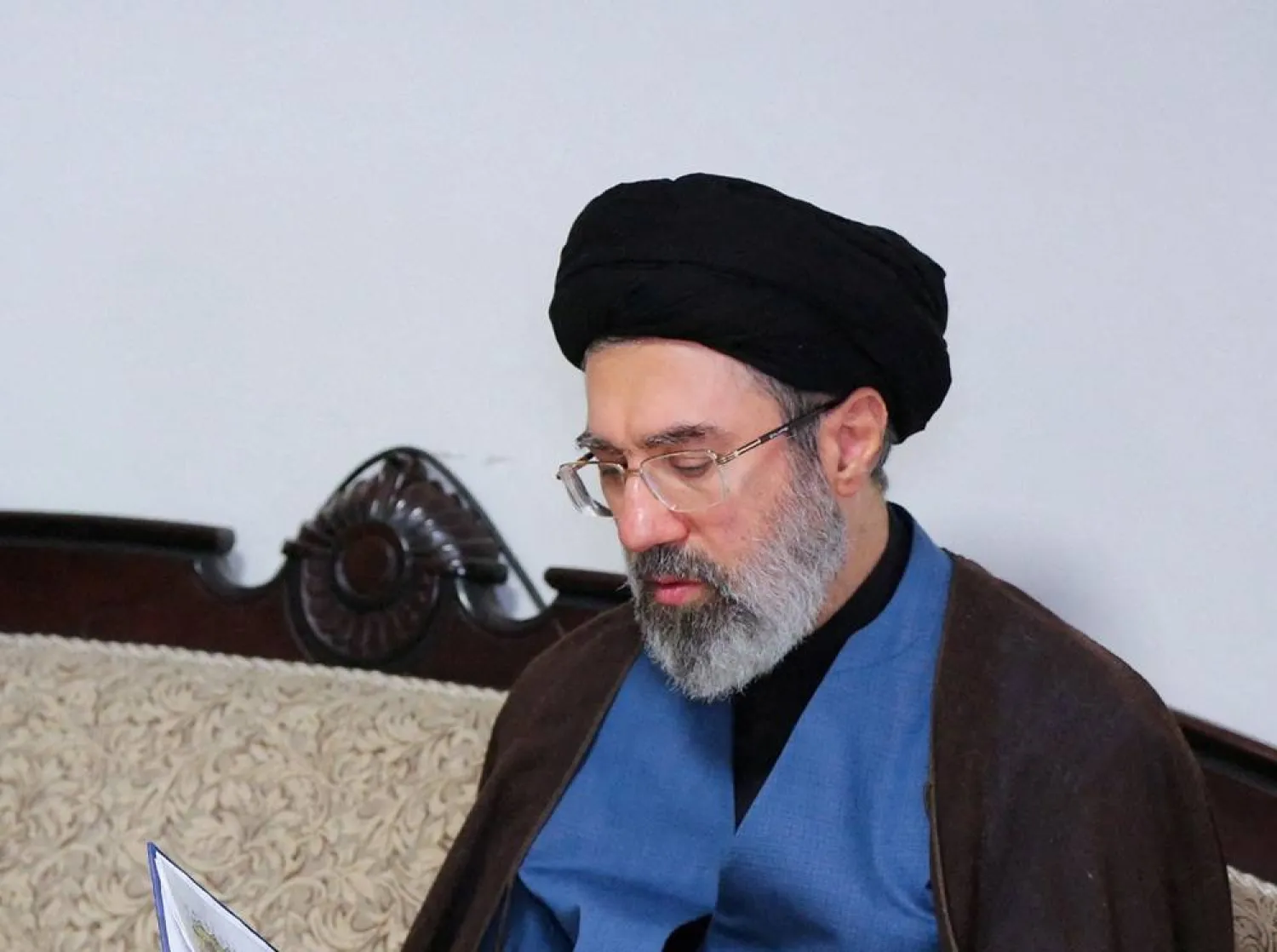
Mojtaba Khamenei, the son of Iran’s late supreme leader Ali Khamenei, has emerged as one of the most prominent figures being considered to take over the country’s highest leadership position following his father’s death.
The process of selecting the next supreme leader is expected to be handled by Assembly of Experts, the influential clerical body responsible for appointing and supervising the country’s top authority. One of its members, Ahmad Khatami, disclosed to Iranian state media on Wednesday that the body intends to reach a decision “at the earliest opportunity”.
Several figures have been mentioned as potential candidates for the role. Among those believed to be under consideration are Alireza Arafi, who currently serves as one of the three members of the interim council overseeing state affairs, and hardline cleric Mohsen Araki. Another name circulating within political and religious circles is Hassan Khomeini, the grandson of revolutionary leader Ruhollah Khomeini, who founded the Islamic Republic in 1979.
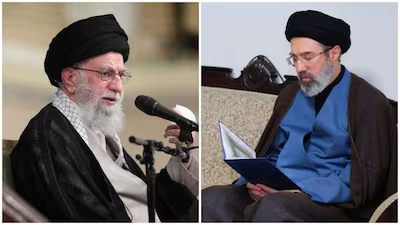
At 56 years old, Mojtaba Khamenei represents a possible dynastic succession, a concept his father publicly rejected in 2024. The Islamic Republic itself was established after the overthrow of a monarchy that had ruled Iran for centuries under the shah, making the idea of hereditary leadership particularly sensitive in the country’s political culture.
Born on September 8, 1969, in the sacred city of Mashhad in eastern Iran, Mojtaba Khamenei is one of six children of the late supreme leader. His father, Ali Khamenei, died at the age of 86 in Tehran after being targeted in one of the initial missile strikes carried out jointly by the United States and Israel during the ongoing conflict involving Iran.
For many years, Mojtaba has maintained a relatively low public profile, rarely appearing in official ceremonies or speaking to the media. Despite this reserved presence, speculation about his real influence within Iran’s political system has circulated widely among citizens and international observers.
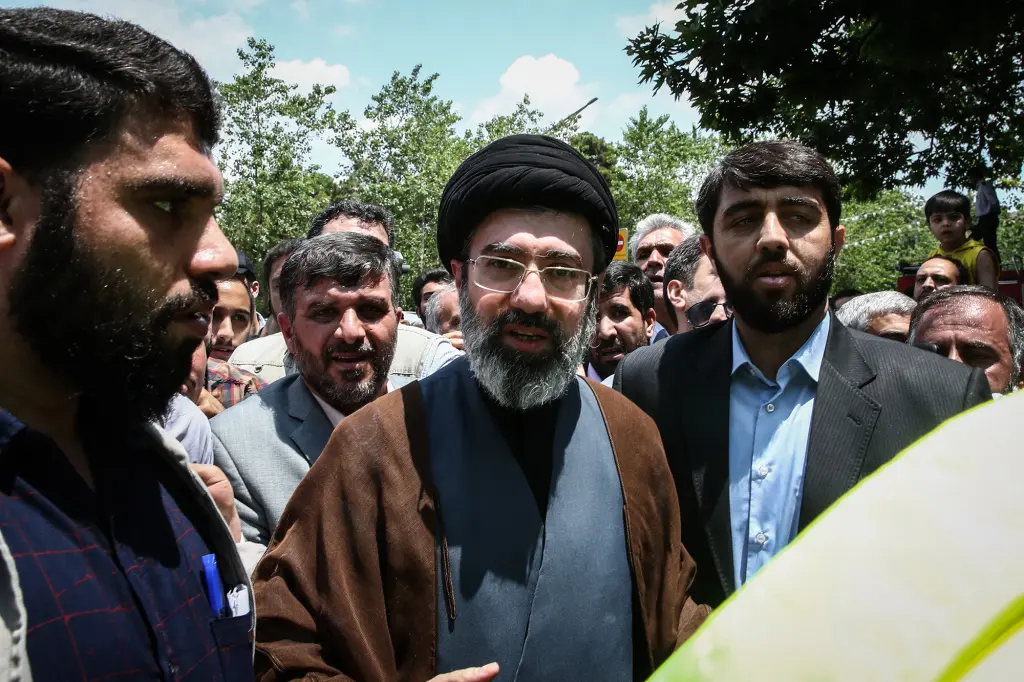
He stands out among his siblings as the only child of the former supreme leader known to hold a visible role within the state structure, even though he has never officially occupied a formal government position.
The cleric, easily recognised by his salt-and-pepper beard and the black turban worn by those considered descendants of the Prophet Mohammed, has been portrayed by some analysts as a powerful figure operating quietly within the country’s leadership network.
Observers often describe him as closely aligned with conservative factions, largely due to his longstanding connections with the powerful Islamic Revolutionary Guard Corps, which serves as the ideological military force of the Islamic Republic.
These links trace back to his time serving in a combat unit toward the closing years of the Iran–Iraq War between 1980 and 1988.
His influence has also attracted attention internationally. In 2019, the United States Department of the Treasury imposed sanctions on Mojtaba Khamenei during the first presidency of Donald Trump. According to the department, Mojtaba acted as a representative of the supreme leader even though he had never been elected or officially appointed to a government position apart from working within his father’s office.
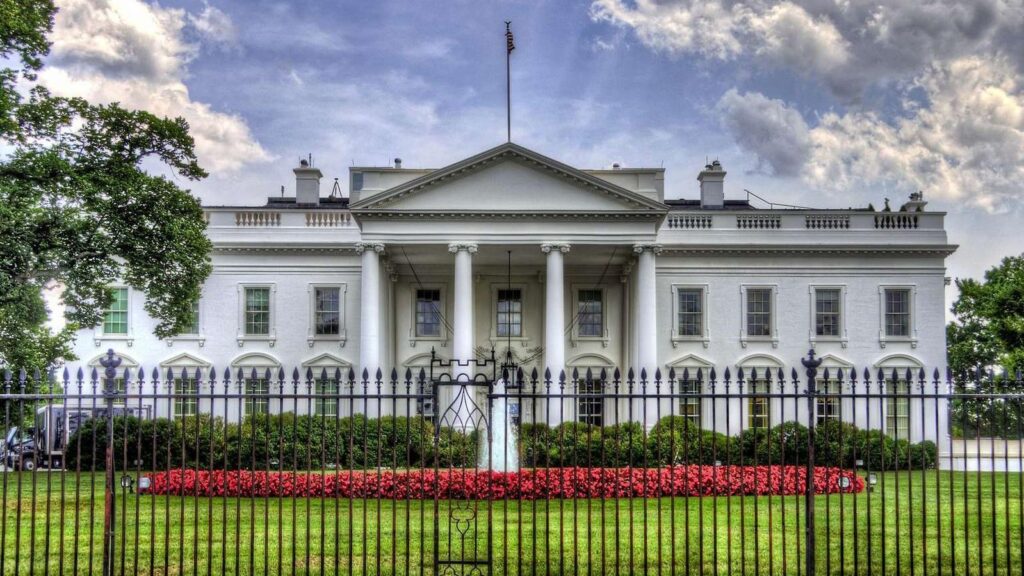
Officials in Washington stated that Ali Khamenei had “delegated a part of his leadership responsibilities” to his son, who was said to have worked closely with Iranian security institutions in pursuit of his father’s regional strategies and domestic policies.
Critics of Mojtaba Khamenei have also linked him to events surrounding the disputed 2009 re-election of Mahmoud Ahmadinejad, which sparked a large protest movement across Iran. Opponents claimed he played a role in the government’s forceful response to those demonstrations.
Reports about his financial standing have further drawn public attention. An investigation by Bloomberg, citing anonymous sources and Western intelligence assessments, suggested that Mojtaba Khamenei accumulated wealth exceeding $100 million.
The report alleged that revenue from oil transactions had been redirected into investments that included high-end real estate in the United Kingdom, hospitality assets in parts of Europe, and property holdings in Dubai, often managed through shell companies registered in offshore tax jurisdictions.
Beyond politics and economics, Mojtaba Khamenei has also been active in religious scholarship. He pursued theological studies in the city of Qom, one of Iran’s most important centres of Islamic learning, where he also spent time teaching.
His academic standing earned him the title of Hujjat al-Islam, a clerical rank considered below that of Ayatollah, the title held by both his father and the revolutionary founder Ruhollah Khomeini.
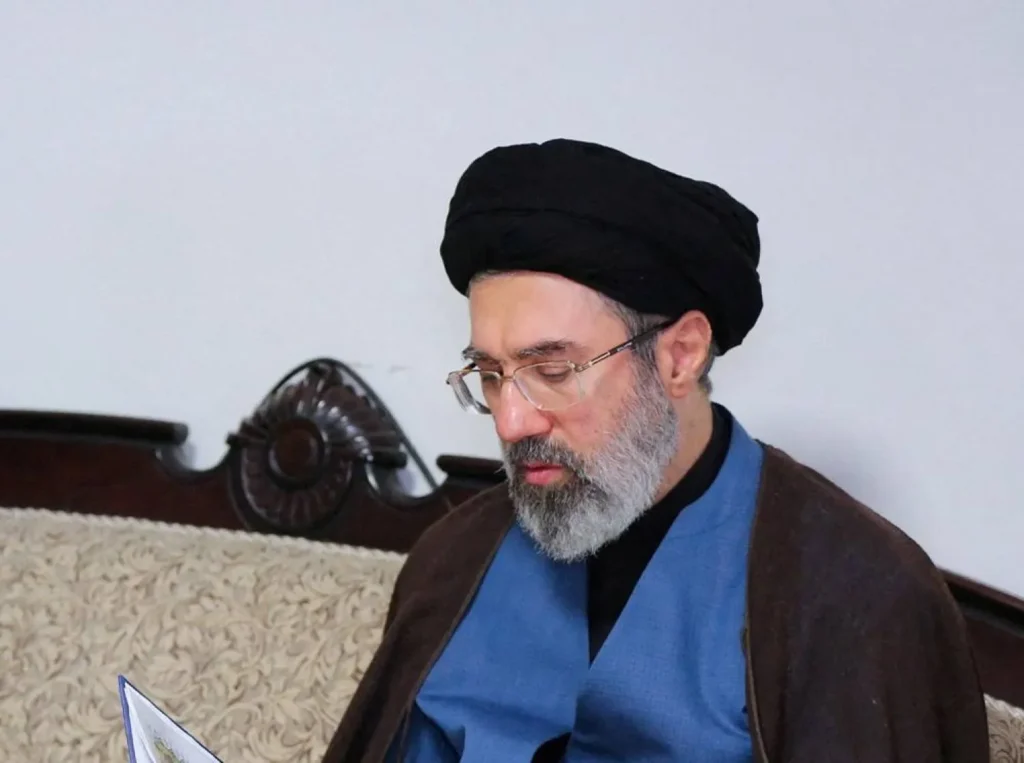
His personal life has also been touched by the ongoing conflict. Iranian authorities reported that his wife, Zahra Haddad-Adel, who was the daughter of a former parliamentary speaker, was killed during the same United States–Israeli strikes that claimed the life of the supreme leader.
Meanwhile, Israel Katz warned on Wednesday that whoever eventually succeeds Ali Khamenei would automatically become “a target”.
The Assembly of Experts, the body responsible for choosing the next leader, is composed of 88 clerics elected every eight years. Since the establishment of the Islamic Republic, it has overseen only one leadership transition, which occurred in 1989 when Ali Khamenei himself was chosen to succeed Ruhollah Khomeini following the founder’s death.
What you should know
Mojtaba Khamenei has emerged as one of the leading figures likely to succeed his father as Iran’s supreme leader after Ali Khamenei was killed in missile strikes linked to the escalating conflict involving Iran, the United States, and Israel.
The decision will be made by the Assembly of Experts, the powerful clerical body responsible for selecting the country’s top authority. Mojtaba’s close ties to conservative factions and the Revolutionary Guards have strengthened speculation about his influence.
However, his possible rise to power could mark a controversial hereditary transition in a political system created to replace monarchy.