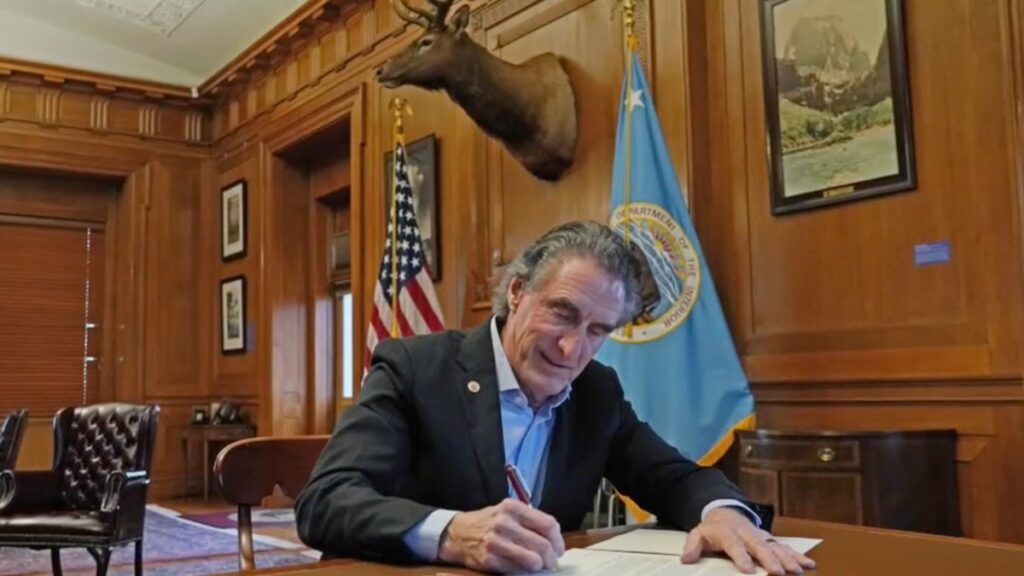
United States mining companies are preparing to invest heavily in Venezuela’s resource sector, according to Doug Burgum, who made the remarks during a visit to Caracas on Wednesday while advocating expanded access to the country’s critical mineral deposits.
Burgum is serving in an administration that claims effective control over Venezuela and its vast natural resources following the removal of former president Nicolas Maduro from power.
Officials in Washington argue that the current arrangement gives the United States significant influence over Venezuela’s energy and mineral wealth, including its oil reserves.
The interior secretary’s trip to Caracas marks the second visit by a high-ranking American official since a US airstrike carried out on January 3 that resulted in the deaths of about 100 people. That operation also led to the capture of Maduro and his wife, who were subsequently flown to New York to face drug trafficking charges in US courts.
During the visit, Burgum was joined by more than two dozen executives from mining companies interested in entering Venezuela’s resource industry. He stated that these businesses represent enormous financial commitments that could translate into major economic activity and employment.
“They are eager to get started, and they are eager to cut the red tape to allow that capital investment to flow,” Burgum said after holding discussions with interim Venezuelan leader Delcy Rodriguez.
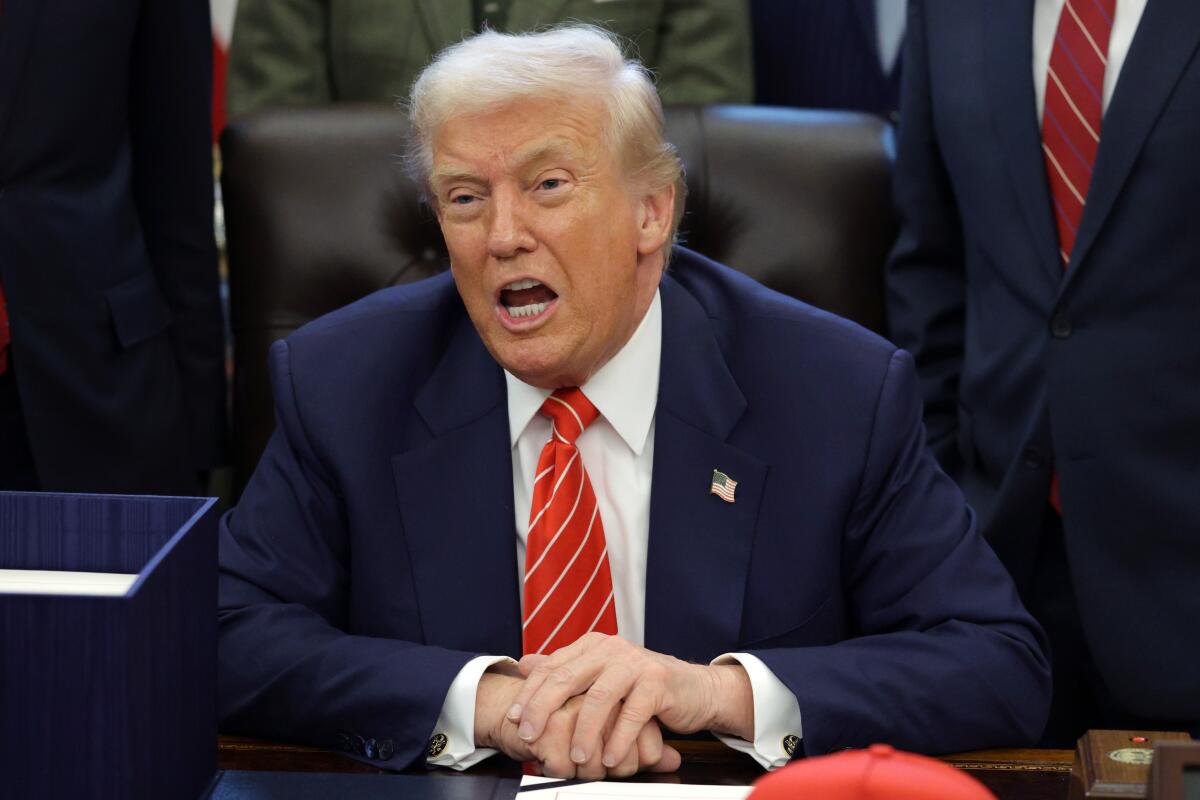
Burgum, who heads the National Energy Dominance Council established by Donald Trump, described the potential cooperation between Washington and Caracas as extremely promising. According to him, the opportunities available for both sides could expand significantly as the relationship continues to evolve.
His visit followed closely after that of US Energy Secretary Chris Wright, who also traveled to Caracas earlier in the year. During that trip, Wright encouraged Venezuela to dramatically boost its oil production and highlighted what he described as major economic opportunities that could benefit both nations.
Statements from both officials have echoed a broader shift in relations between Washington and Caracas since Maduro’s capture. The United States has allowed Rodriguez, who previously served as vice president, to assume the role of interim leader provided that she cooperates with Washington and facilitates access to Venezuela’s natural resources.
Further signs of improving ties between the two countries emerged on Wednesday when the United States Department of Transportation authorised a subsidiary of American Airlines, Envoy Air, to begin operating direct flights between Miami and the Venezuelan cities of Caracas and Maracaibo.
The flights will represent the first direct air connections between the two countries since 2019, when relations sharply deteriorated during the earlier presidency of Trump.
Although much of Washington’s focus has been on Venezuela’s oil sector, Burgum emphasised that the country also possesses large deposits of valuable minerals essential for modern technology. Apart from gold and diamonds, Venezuela is known to have major reserves of bauxite and coltan, a mineral used in the production of electronics such as smartphones and laptops.
Much of the country’s mining activity takes place in the vast southeastern region known as the Orinoco Arc, an area rich in natural resources but also the subject of criticism from environmental activists. Campaigners say that expanding illegal mining operations there have led to widespread deforestation and contamination of rivers.
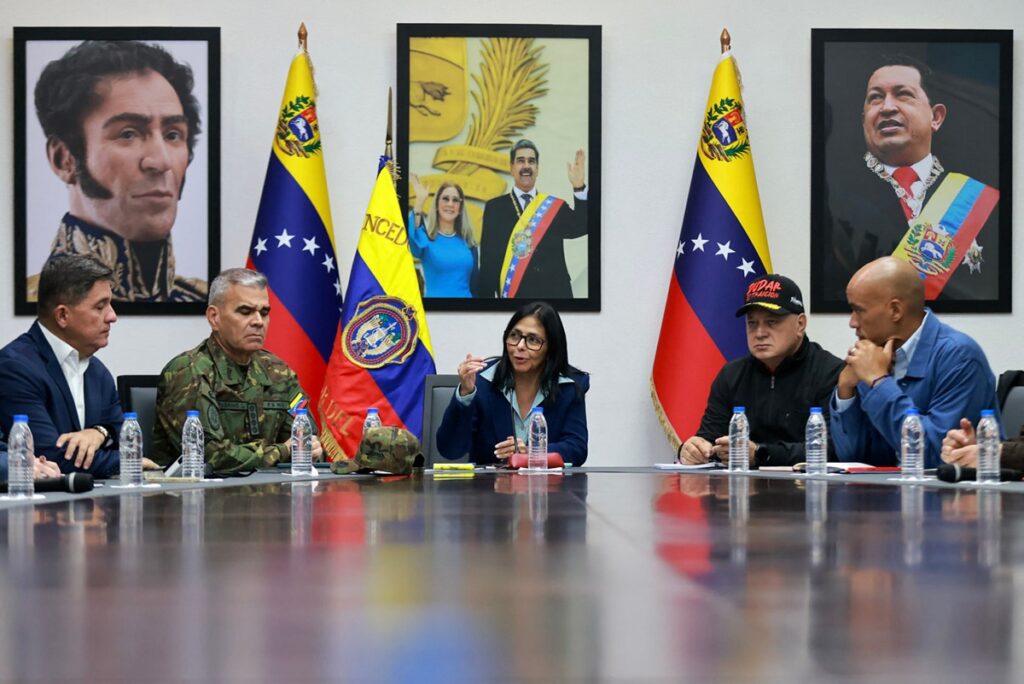
Rodriguez recently introduced sweeping changes to Venezuela’s state-controlled oil industry to encourage a wave of private sector investment. She is now reportedly looking at updating the country’s mining regulations to attract international companies.
Although full details of the proposed reforms have not yet been disclosed, her brother, parliamentary leader Jorge Rodriguez, indicated earlier this week that the new rules would allow major foreign corporations to participate in the exploitation of minerals and rare earth resources within Venezuela.
Rodriguez’s cooperation with Washington has earned public praise from Trump, who previously warned of severe consequences if she failed to comply with US demands. Posting on his Truth Social platform, Trump commended her efforts and described the growing partnership as positive for both countries.
“The Oil is beginning to flow, and the professionalism and dedication between both Countries is a very nice thing to see,” he wrote.
Rodriguez responded with her own message of appreciation, thanking Trump and his administration for their willingness to work jointly in ways she said would benefit the people of both the United States and Venezuela.
In another development that reflects the renewed cooperation, Venezuela’s state-owned oil company PDVSA announced the signing of new oil supply agreements with the United States earlier this week.
Since January, more than 80 million barrels of Venezuelan crude have already been exported to the United States, according to Trump. The new deals come at a time when global energy markets are facing uncertainty due to the ongoing conflict in the Middle East, which has pushed oil prices to their highest level in about eighteen months.
What you should know
US officials say American mining companies are preparing to invest billions of dollars in Venezuela as Washington expands its influence over the country’s energy and mineral resources following the removal of former president Nicolas Maduro.
Interior Secretary Doug Burgum led a delegation of mining executives to Caracas, highlighting major investment opportunities in gold, coltan, and other minerals.
The visit reflects a dramatic shift in US-Venezuela relations, with new oil contracts, resumed flights, and growing economic cooperation between both countries.