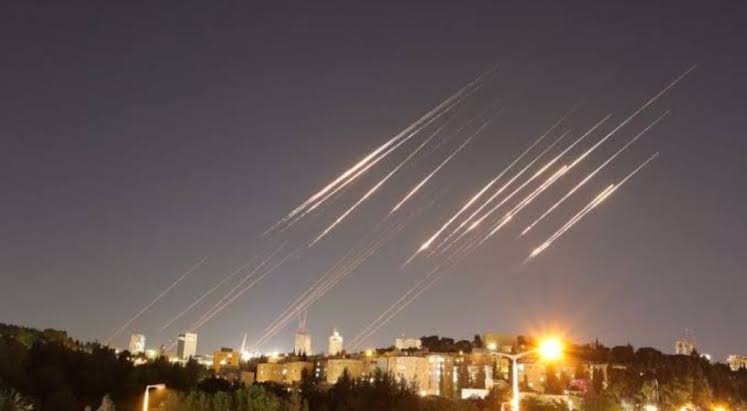
A major escalation in the Middle East conflict has unfolded as Israeli strikes killed a top intelligence figure of Iran’s Revolutionary Guards, intensifying hostilities between Iran and Israel.
According to Iranian authorities, the intelligence chief of the Islamic Revolutionary Guard Corps, Majid Khademi, was killed in what Tehran described as coordinated US-Israeli strikes carried out at dawn.
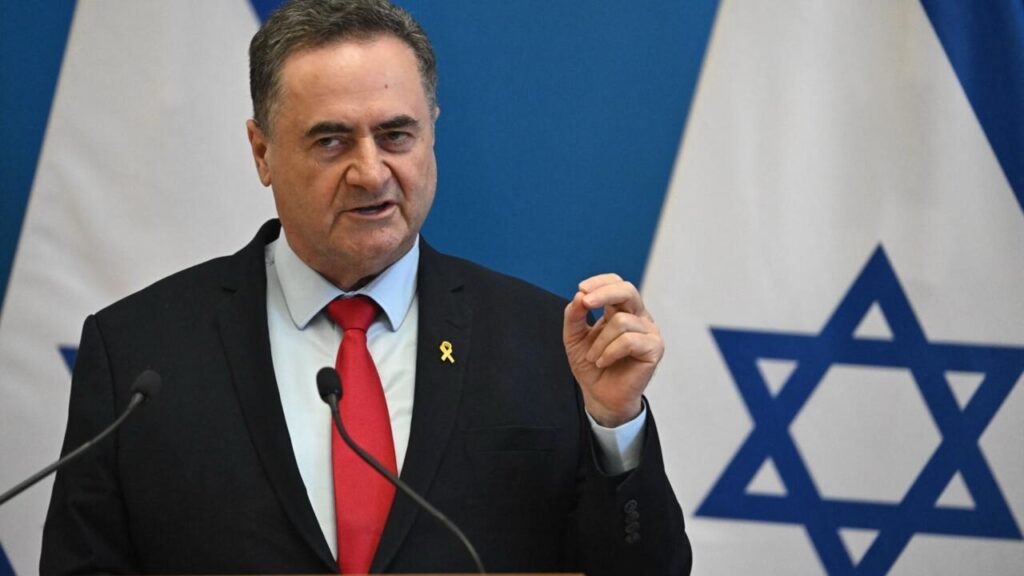
Israel’s Defence Minister, Israel Katz, confirmed the operation, stating it was in retaliation for Iranian attacks on civilian areas in Israel. He described Khademi as “one of the direct perpetrators of these war crimes,” adding that Israeli forces would continue targeting key figures.
The escalation comes amid rising tensions over the Strait of Hormuz, a critical global energy route that Iran has effectively blocked, disrupting oil shipments and sending energy prices higher worldwide.
Donald Trump has issued strong warnings to Tehran, threatening to target civilian infrastructure if the strait is not reopened. In response, Iran’s Deputy Foreign Minister, Kazem Gharibabadi, accused the US leader of publicly threatening war crimes.
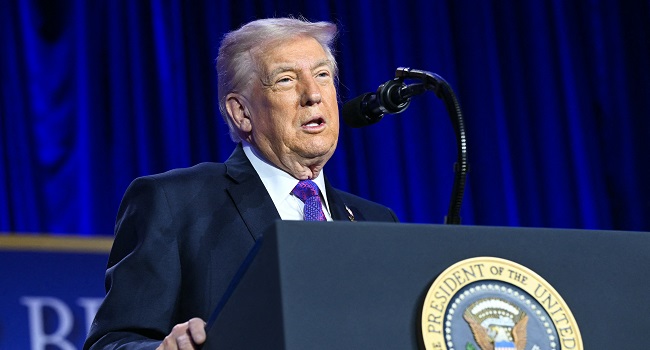
Iran has vowed retaliation, warning that any further escalation would trigger “much more devastating” attacks. Meanwhile, the Revolutionary Guards declared that the strait “will never return to its former status,” particularly for the United States and Israel.
The conflict has expanded beyond the two nations, with Iranian missiles and drones reportedly targeting parts of Kuwait and the United Arab Emirates, while Israeli strikes have extended into Lebanon, where it continues to confront the Iran-backed Hezbollah.
Amid the escalating violence, diplomatic efforts are reportedly underway. A potential 45-day ceasefire deal is being explored, with mediation efforts involving regional players. Badr Abdelatty confirmed ongoing discussions with international stakeholders, including US envoy Steve Witkoff and Iran’s Foreign Minister Abbas Aragchi.
Despite reports of possible negotiations, Tehran has denied engaging in direct talks with the United States and Israel.

The war, which began on February 28 following US-Israeli strikes that reportedly killed Iran’s Supreme Leader Ali Khamenei, has severely impacted the region and global markets. Rising oil prices have already triggered economic responses worldwide, including increased aviation fuel costs in some countries.
Meanwhile, Iran’s parliament speaker, Mohammad Bagher Ghalibaf, warned that continued escalation could engulf the entire region, accusing Israel’s Prime Minister Benjamin Netanyahu of influencing US actions.
As fighting continues, civilians across multiple countries are bearing the brunt, with casualties reported in Kuwait, the UAE, and Israeli cities such as Haifa. Strikes have also hit residential areas in Tehran, worsening humanitarian concerns.
What you should know
The conflict between Iran and Israel has escalated significantly, with the killing of a top Iranian intelligence official and continued cross-border attacks.
Tensions have been heightened by threats from the United States over the Strait of Hormuz, a key global oil route. The situation now involves multiple countries across the Middle East, raising fears of a wider regional war.
While diplomatic efforts for a ceasefire are ongoing, both sides continue military operations, with civilians increasingly affected and global economic impacts intensifying.