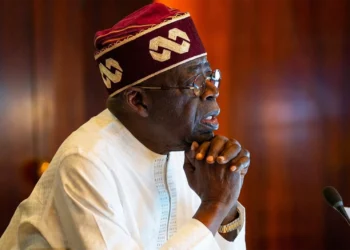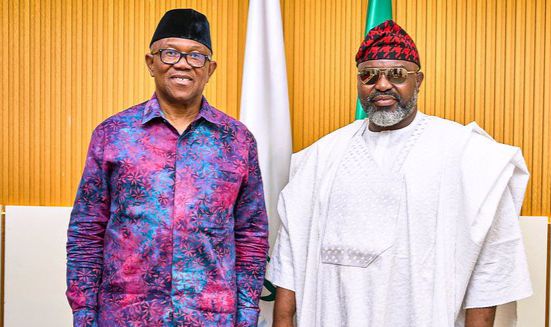
Kaduna-based Islamic cleric, Ahmad Umar, has dismissed reports alleging that he was detained by the Department of State Services following a visit by former presidential candidate, Peter Obi.
In a viral video released on Tuesday, Umar clarified that he was neither arrested nor mistreated, explaining that he was only invited for questioning by security operatives and later released.
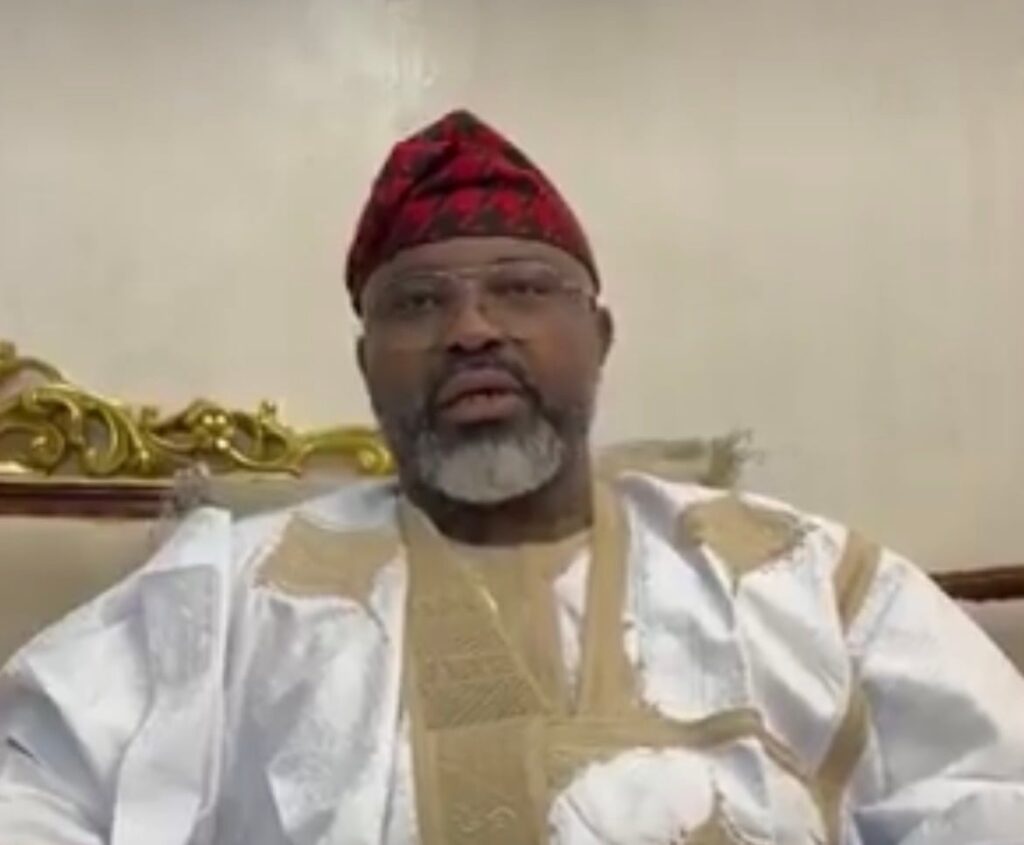
“I come today to correct a false report being circulated in some quarters. I was not detained by the DSS. I was invited for questioning. I cooperated fully, and I was released. I am free, safe and well.
“I want to appeal to all our supporters and to all citizens of Kaduna State: remain calm, remain peaceful and remain law-abiding citizens. No one should take the law into their hands. No one should create disorder in the name of loyalty,” he said.
The cleric also urged patience regarding ongoing legal matters involving former Kaduna State governor, Nasir El-Rufai, encouraging citizens to engage constructively in the democratic process.
His clarification comes shortly after Obi raised alarm over what he described as the cleric’s arrest. In a post on his X page, Obi had alleged that Umar was taken into custody after hosting him in Kaduna, warning that such actions reflect a growing threat to democratic freedoms.
“I have just been made aware early this morning that Revered religious leader, Sheikh Ahmad Tijjani Umar has been arrested by authorities shortly after hosting me in Kaduna on Sunday.
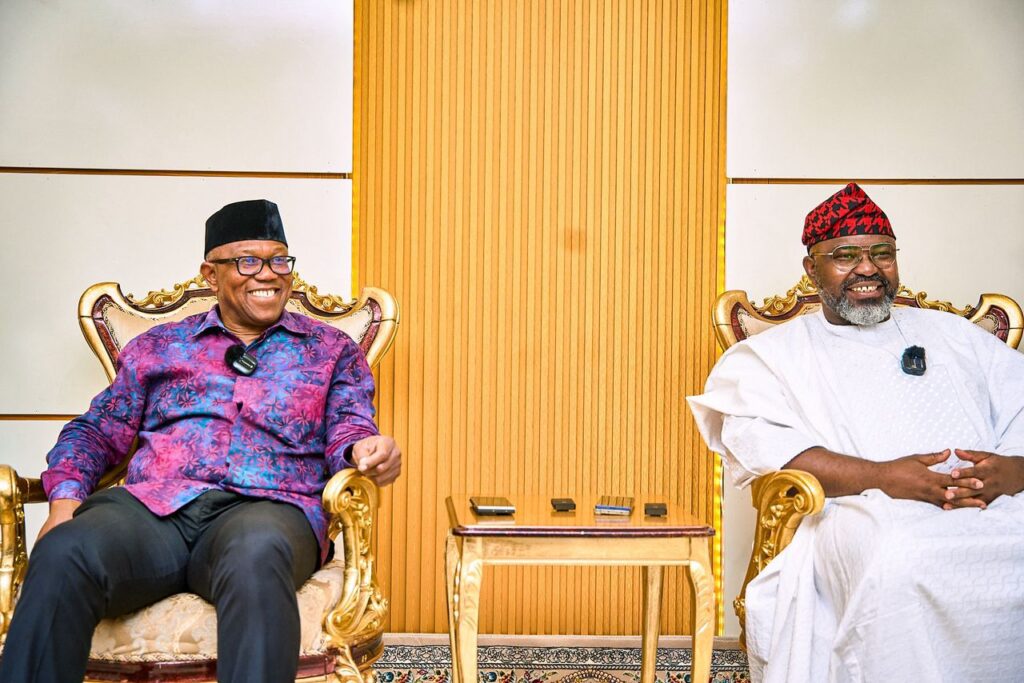
“This development underscores the deeply troubling state of our nation and our democracy, where freedom of speech and movement is increasingly threatened, and where citizens and perceived political opponents face harassment and unnecessary persecution. This cannot be allowed to continue,” Obi wrote.
Umar’s response, however, contradicts the earlier claim, stating clearly that no detention occurred and that he remains safe.
What you should know
The conflicting accounts between Peter Obi and Ahmad Umar highlight how quickly misinformation or unverified reports can spread, especially on social media.
While Obi raised concerns about democratic freedoms, Umar’s clarification suggests the situation may not be as severe as initially reported.
The incident underscores the importance of verifying information before drawing conclusions, particularly in politically sensitive environments where public reactions can escalate quickly.