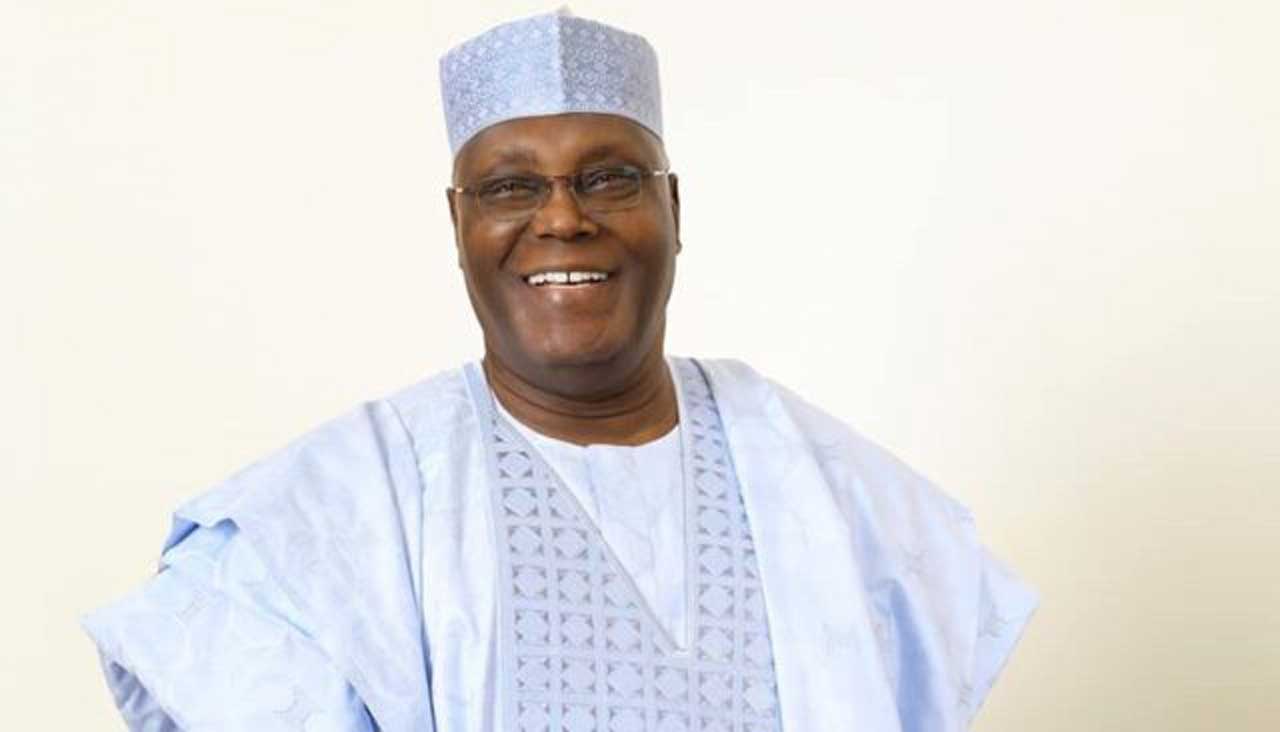
Former Vice President and presidential hopeful of the African Democratic Congress, Atiku Abubakar, is set to travel to the United States for a series of high-level meetings focused on Nigeria’s worsening security, governance, and economic challenges.
The planned trip was disclosed in a statement released on Sunday by his media aide, Paul Ibe.
According to the statement, Atiku’s visit will involve engagements with policy and institutional stakeholders in the United States, with discussions expected to centre on Nigeria’s current internal crisis and the broader implications for governance and democratic stability.
The former vice president reportedly expressed deep concern over what he described as Nigeria’s deteriorating security situation.
He pointed to persistent violence across the North-West and North-East, recurring killings in the Middle Belt, and rising incidents of kidnapping and criminality across several parts of the country.
According to him, the scale and persistence of these challenges suggest that the government is gradually losing its grip on one of its most fundamental responsibilities, the protection of lives and property.
The statement noted that the problems have gone beyond isolated incidents and have become a widespread pattern affecting multiple communities.
It warned that many Nigerians are increasingly left vulnerable, with little assurance of effective intervention.
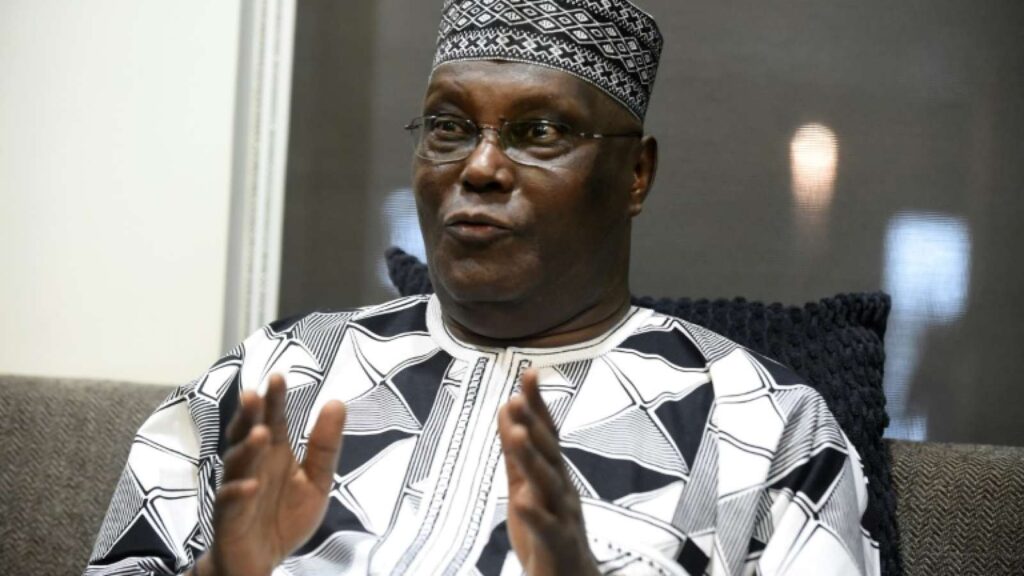
Beyond insecurity, Atiku also raised alarm over the country’s worsening economic realities.
He described the hardship facing Nigerians as severe but avoidable, attributing it to policy inconsistency and what he characterised as a lack of strategic economic direction.
The statement highlighted concerns over rising inflation, the continued weakening of the naira, and the sharp decline in citizens’ purchasing power.
It argued that these factors have pushed millions of Nigerians into financial distress while eroding public confidence in the economy.
According to the statement, Atiku believes Nigerians are not merely frustrated but are being stretched beyond sustainable limits.
The former vice president also expressed concern about the state of Nigeria’s democratic institutions.
He warned that declining trust in governance, accountability systems, and the electoral process poses a direct threat to national cohesion and long-term stability.
As the country moves closer to another election cycle, he cautioned against any actions capable of undermining electoral transparency.
He argued that attempts to manipulate democratic processes would carry serious consequences for national unity and institutional legitimacy.
Responding to potential criticism of his international engagements, Atiku defended the move as necessary and responsible.
He rejected suggestions that discussing Nigeria’s challenges with international partners amounts to inviting foreign interference.
According to him, Nigeria’s internal realities already attract global attention, and responsible leadership requires openness to scrutiny and dialogue.
He stressed that while only Nigerians will determine the country’s political future, international stakeholders have a legitimate interest in the democratic and economic stability of Africa’s largest nation.
The statement also contained a direct message to the current administration.
Atiku warned against complacency and urged the government to urgently reassess its priorities.
He emphasised that political power is a responsibility rather than an entitlement and called for immediate steps to restore public confidence.
He urged Nigerian citizens to remain engaged and continue demanding accountability from their leaders.
According to him, meaningful national change will not come from external actors but through the collective resolve of Nigerians themselves.
He concluded by describing Nigeria as standing at a defining moment, one that requires courage, honesty, and decisive leadership.
What You Should Know
Atiku’s planned US trip reflects growing political activity ahead of the 2027 elections and signals his continued positioning as a leading opposition figure.
International engagements of this nature are often aimed at shaping policy conversations, strengthening diplomatic networks, and projecting political credibility. However, such visits also attract scrutiny, especially when they involve criticism of a sitting government.
His focus on insecurity, economic hardship, and electoral integrity aligns with issues likely to dominate national political debates in the coming months.
The trip underscores how early the contest for public perception ahead of 2027 has already begun.