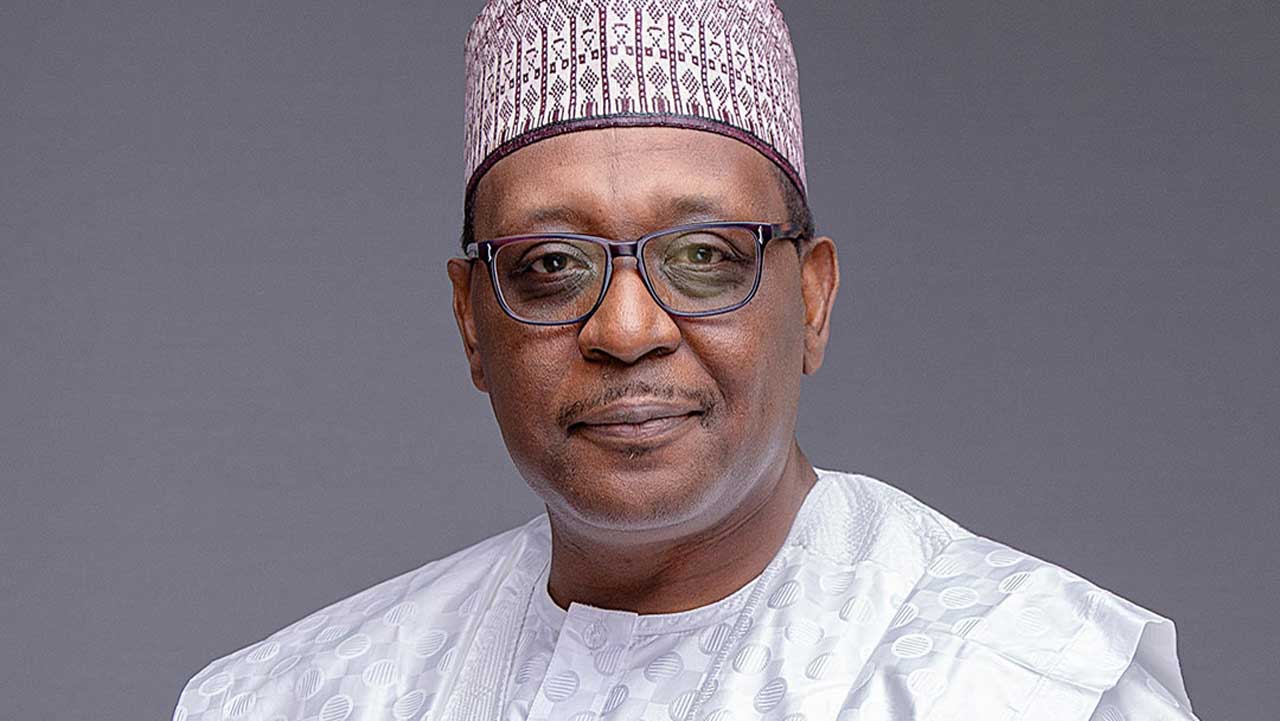
The Coordinating Minister of Health and Social Welfare, Ali Pate, has explained why he will not contest the 2027 governorship election in Bauchi State, saying his decision was driven by a commitment to serve Nigeria on a broader national scale.
Pate made the disclosure in a video message shared by Labari Daga Bauchi on Facebook on Sunday, where he addressed growing calls from supporters and political stakeholders urging him to join the governorship race.
According to him, while he is fully aware of the strong appeal from residents across Bauchi State for him to seek the office, his current responsibilities require him to remain focused on serving the nation at a higher level.
“I am aware of the calls by our people across the nooks and crannies for me to join the race, but this is also a time that it appears my service is needed beyond Bauchi,” he said.
The minister expressed appreciation for the trust and confidence shown by the people of the state, describing their support as a strong reflection of belief in his leadership and capacity.
He noted that the encouragement he has received from across the state has been deeply humbling.
“There is no doubt that the people of Bauchi State have shown me great love. They have asked me to contest for the governorship position in the 2027 general elections,” he stated.
Despite the pressure to join the race, Pate said he arrived at his decision after extensive consultations with elders, youths, and other stakeholders.
He explained that such decisions require careful reflection and spiritual guidance.
“At this point, one must think carefully and seek Allah’s guidance in deciding whether to serve at the state, regional, or national level,” he added.
The minister stressed that national development requires contributions from individuals at every level, noting that public service is not limited to holding elective office.
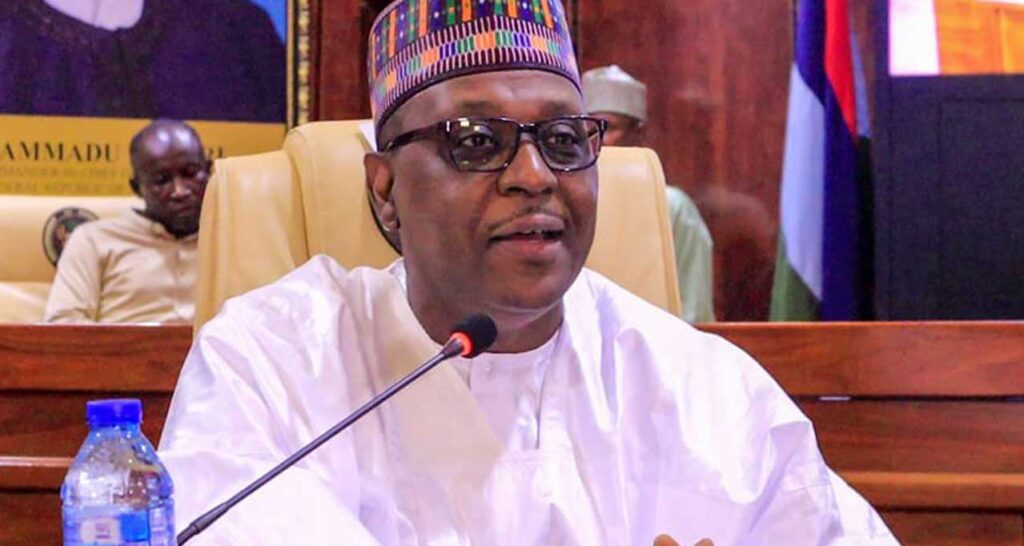
“Our country needs our contributions. There are many ways we can support the rebuilding of our nation, not just at the state level,” he said.
Pate assured residents of Bauchi that his decision not to contest would not diminish his commitment to their welfare and development.
He pledged to continue supporting initiatives aimed at improving lives across the state.
“I want to assure the people of Bauchi State that they will never regret the love and trust they have shown me. I will continue to do everything within my power to improve lives,” he said.
He reiterated his focus on strengthening healthcare delivery, expanding economic opportunities for young people, and supporting vulnerable groups, particularly women and children.
The minister also signalled his intention to remain actively engaged in politics by supporting credible candidates in future elections.
He stressed that leadership should be entrusted to individuals with integrity and genuine commitment to public service.
“I will ensure that candidates we support are individuals of integrity who are committed to the well-being of our people, not those who only appear during elections and disappear afterwards,” he stated.
Pate further urged residents to support the administration of Bola Ahmed Tinubu and candidates of the All Progressives Congress, arguing that alignment between federal and state governments would accelerate development.
He also called on young people to resist political manipulation and avoid being used as tools for violence.
“The youth are not just the leaders of tomorrow—they are the leaders of today. They must avoid anyone who seeks to divide them or use them for violence,” he said.
He concluded by reaffirming his dedication to public service and expressing gratitude to his supporters.
What You Should Know
Ali Pate’s decision not to contest the Bauchi governorship reshapes political calculations ahead of 2027.
As one of the most prominent technocrats from Bauchi, his entry would have significantly altered the race. By choosing to remain in national service, he signals continued alignment with the federal government and the APC’s broader political strategy.
His endorsement power may now become more influential than a direct candidacy, particularly if he backs a preferred aspirant.
The move also reflects a common political strategy where influential figures retain broader relevance by staying at the national level rather than entering state-level contests.