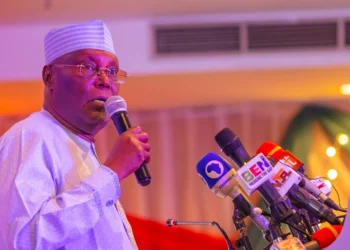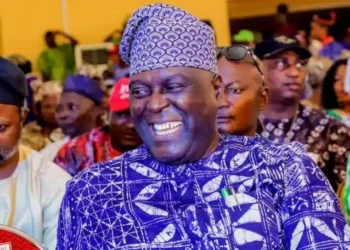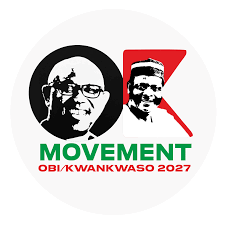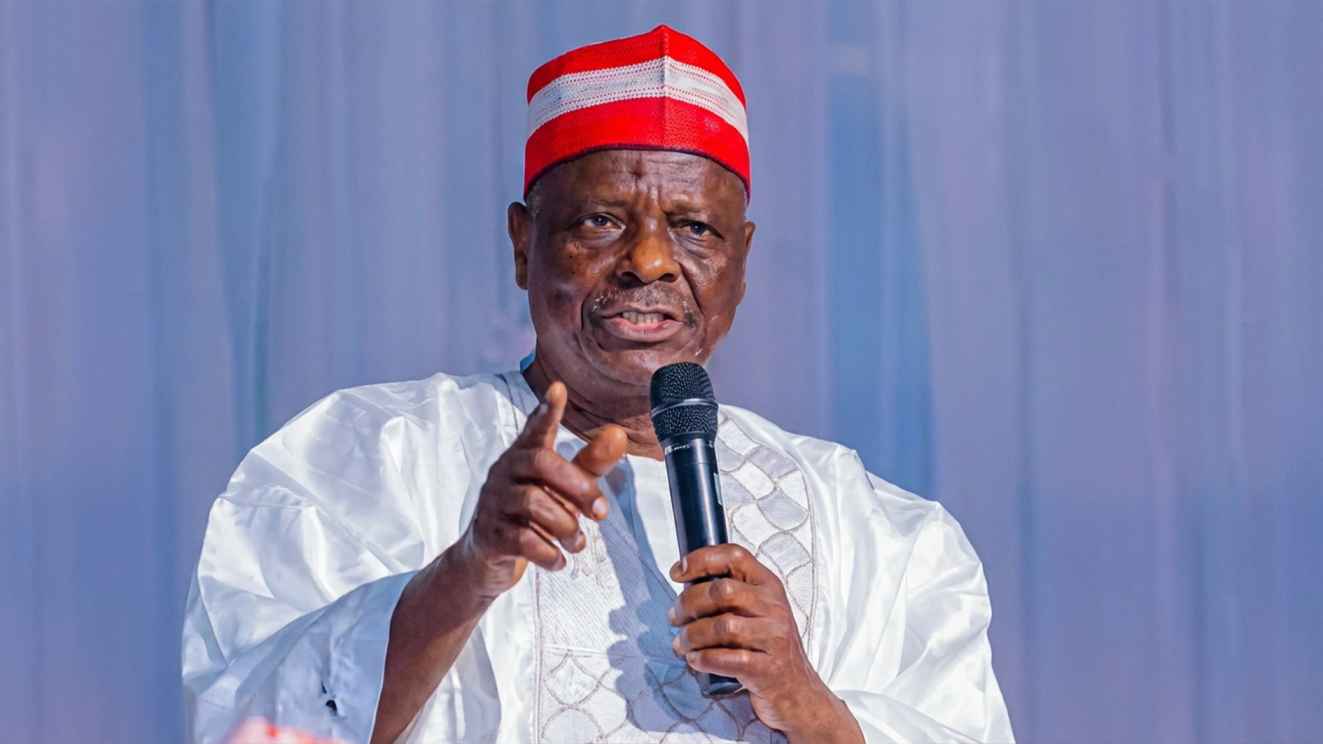
Former Kano State Governor and ex-presidential candidate of the New Nigeria Peoples Party, Rabiu Musa Kwankwaso, has called on Nigerians and his supporters across the country to rally behind the Nigeria Democratic Congress following his formal decision to join the party.
Kwankwaso made the appeal in a post shared on his X account on Monday, describing the move as a deliberate step aimed at strengthening democratic values and creating a viable political alternative ahead of the 2027 general elections.
According to him, the decision was guided by a strong belief in building a political platform capable of delivering credible leadership and meaningful national development.
“Yesterday, we took a bold and decisive step by formally joining the Nigeria Democratic Congress,” he wrote.
He added that the move reflects “a deep commitment to democratic values.”
The former presidential candidate said the NDC offers a fresh opportunity for Nigerians to participate in shaping a stronger democratic future.
“We are determined to provide our people with a credible platform where they can thrive and realise their full potential,” he stated.
Kwankwaso further urged citizens to identify with the party and support what he described as a renewed struggle for good governance and genuine democracy.
“I therefore call on all our dedicated supporters and well-meaning Nigerians to join the NDC and stand with us in this renewed fight for good governance and true democracy,” he said.

His appeal comes shortly after his formal reception into the party alongside former Labour Party presidential candidate Peter Obi.
Both political figures were officially welcomed into the NDC on Sunday during a gathering in Abuja attended by party leaders and stakeholders.
The development marks one of the most significant opposition realignments ahead of the 2027 elections.
The two opposition heavyweights used the occasion to call for internal discipline within the party, urging members to avoid litigation and focus instead on advancing national development.
Obi’s move to the NDC followed his resignation from the African Democratic Congress, which he joined in December.
Addressing party members during the event, Obi said the decision to join the NDC was driven by the need for a stable and peaceful political platform free from internal crises.
He pledged commitment to building what he described as a united, secure, and prosperous Nigeria.
“First of all, sincerely, I join in thanking the leader of our party. And I assure him that we are coming here to be part of the peaceful family that will work hard to build a united, secure, prosperous Nigeria that will work for everybody,” Obi said.
He also praised Kwankwaso’s contributions to education and poverty reduction, describing him as a leader committed to people-focused development.
In his own remarks, Kwankwaso said consultations with the party’s leadership showed strong alignment in ideological direction and policy priorities.
He identified education, youth empowerment, national security, and unity as key areas of shared focus.
“We came here together with our team to consult His Excellency, the leader of this party, on our ideology, blueprint, and all that we believe in,” he said.
According to him, the discussions confirmed that both he and Obi share the same vision with the NDC leadership.
Kwankwaso also disclosed that the party is currently preparing to submit its register, expected around May 6.
He urged Nigerians at home and in the diaspora, particularly those interested in contesting future elections under the platform, to register promptly.
The latest development is expected to intensify political calculations across opposition circles as the race toward 2027 gathers momentum.
What You Should Know
Kwankwaso’s public endorsement of the NDC marks a major step in Nigeria’s evolving opposition politics.
His move, alongside Peter Obi’s, could significantly alter the political landscape by consolidating support bases from different regions under one platform. Such alliances often aim to strengthen electoral competitiveness against ruling parties, but their long-term success depends heavily on internal unity, clear leadership structures, and ideological consistency.
The call for early registration also suggests the NDC is moving quickly to establish national relevance ahead of 2027, making it one of the opposition platforms to watch closely.