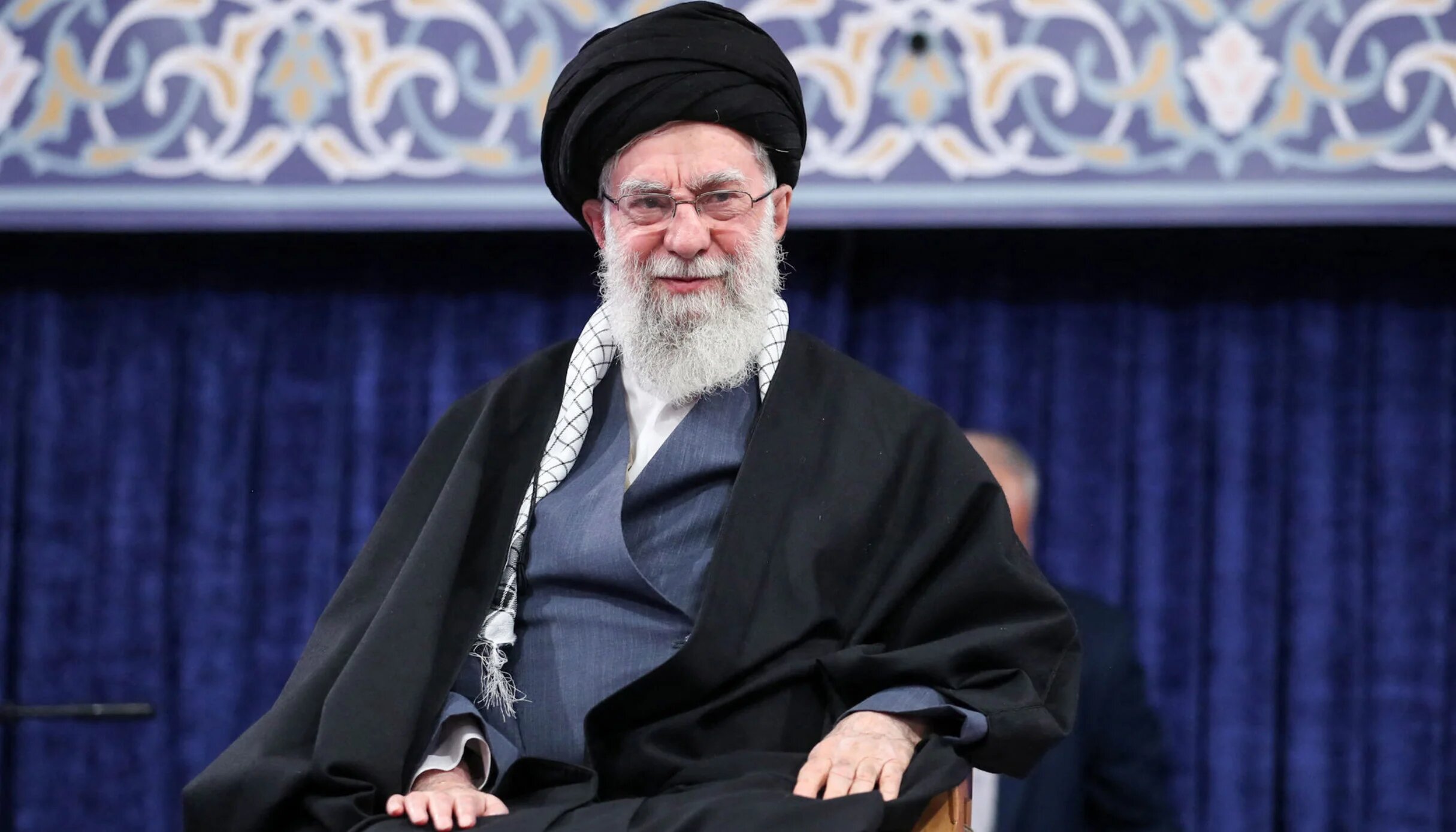
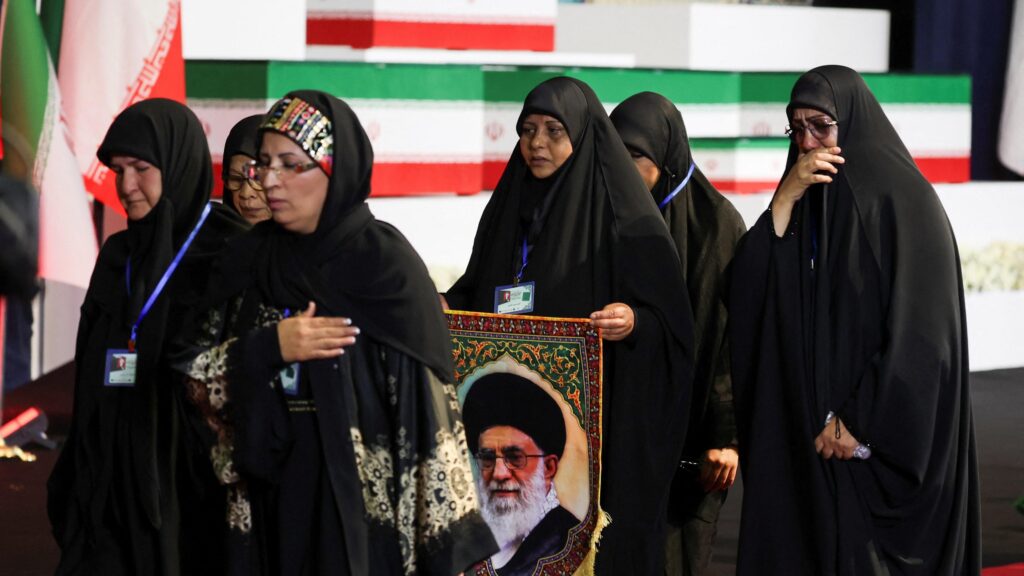
The coffin of Ayatollah Ali Khamenei arrived at the Grand Mosalla mosque complex in Tehran on Friday, marking the start of an elaborate, multi-day state funeral more than four months after the 86-year-old supreme leader was killed in the opening strikes of the US-Israeli war on Iran.
Khamenei was assassinated at his Tehran residence on February 28 at 08:10 local time, with Iranian state broadcaster IRIB confirming his death roughly a day later.
Several of his relatives, a daughter, son-in-law, daughter-in-law, and grandchild, were also killed in the strikes, and Tehran responded by declaring a 40-day mourning period and a week of public holidays.
The funeral itself was delayed for months. It had originally been planned for Tehran and Mashhad between March 4 and 6, but was postponed because of the ongoing war. Officials have now scheduled ceremonies running from July 4 to 9 across Tehran, Qom, and Mashhad, with the procession also extending into Iraq, through Najaf and Karbala.
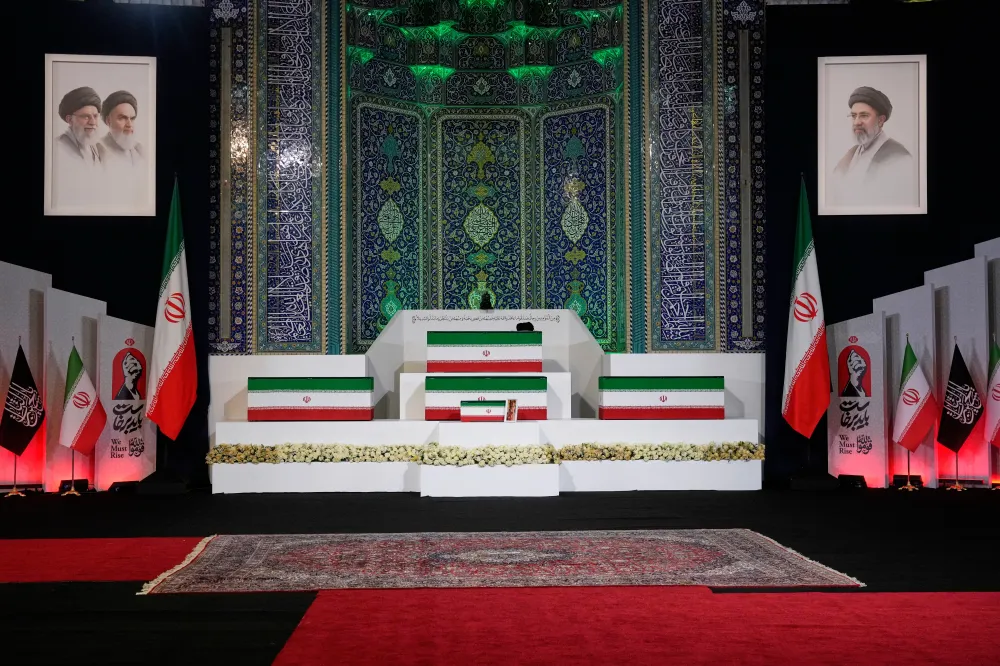
Iranian authorities are billing the event as a show of national resilience. It is only the second time Iran has laid a supreme leader to rest, after the 1989 funeral of Islamic Republic founder Ayatollah Ruhollah Khomeini, which drew millions of mourners to the capital.
This time, Tehran’s mayor Alireza Zakani has suggested turnout in the capital alone could reach up to 20 million people. A Middle East studies scholar quoted by NBC News said the funeral gives the regime a chance to project strength, unity, and resistance to outside pressure.
The ceremonies carry heavy diplomatic weight as well. Delegations from dozens of countries are expected, including Russia’s Dmitry Medvedev, China’s Vice Chairman of the NPC He Wei, and officials from Pakistan, India, and Georgia, among others.
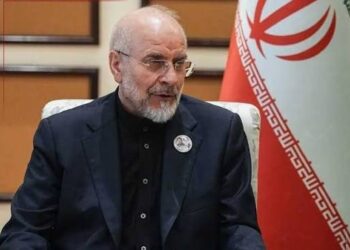
Perhaps the most closely watched question is whether Khamenei’s son and successor, Mojtaba Khamenei, will make a public appearance. Mojtaba, who was wounded in the same strike that killed his father, mother, and wife, was named the new supreme leader in March but has remained out of public view since, communicating only through written statements.
Iranian officials have not confirmed whether he will attend, though his appearance would mark his first public debut since taking power.
The backdrop to the funeral is a tense and uncertain calm. The elaborate ceremony comes as Iran navigates a shaky peace deal with the United States, and CNN’s coverage noted the funeral proceedings overlap with America’s own Independence Day commemorations, a juxtaposition Iranian officials have leaned into as they frame the send-off as a defiant statement to Washington.
For a nation still absorbing the shock of losing the man who had controlled the Islamic Republic with an iron fist for nearly four decades, Friday’s arrival of the coffin at the Grand Mosalla was less an ending than the opening scene of a carefully choreographed week meant to project continuity even as basic questions about the country’s actual leadership remain unresolved.
WHAT YOU SHOULD KNOW
Iran’s funeral for slain Supreme Leader Ali Khamenei is as much a political statement as a religious rite: four months after his assassination in the US-Israeli strikes that opened the war, Tehran is staging a massive, multi-day, multi-country ceremony to project strength and unity during a fragile peace.
The key thing to watch isn’t the funeral itself but whether his son and successor, Mojtaba Khamenei, unseen in public since being wounded in the same attack, finally appears.