Iran issued a defiant rebuke of Donald Trump on Saturday after the US president suggested Washington would soon claim the Strait of Hormuz as American soil, deepening a standoff over the world’s most consequential oil chokepoint as the nearly six-month war between the two countries grinds toward stalemate.
Speaking Friday at a police training center in Nassau County, New York, in remarks focused mainly on crime and the economy, Trump told the crowd that once Iran’s defeat is complete, he would soon be “declaring the Hormuz Strait a territory of the United States.”
Several outlets reported he delivered the line with a chuckle, leaving some uncertainty about how literally it was meant, though a White House official later described it as a joke.
Trump paired the claim with renewed boasts about the US naval blockade now enforcing itself against Iranian shipping, reportedly telling the crowd the blockade is a “wall of steel” and that no vessel passes through Hormuz without Washington’s consent.
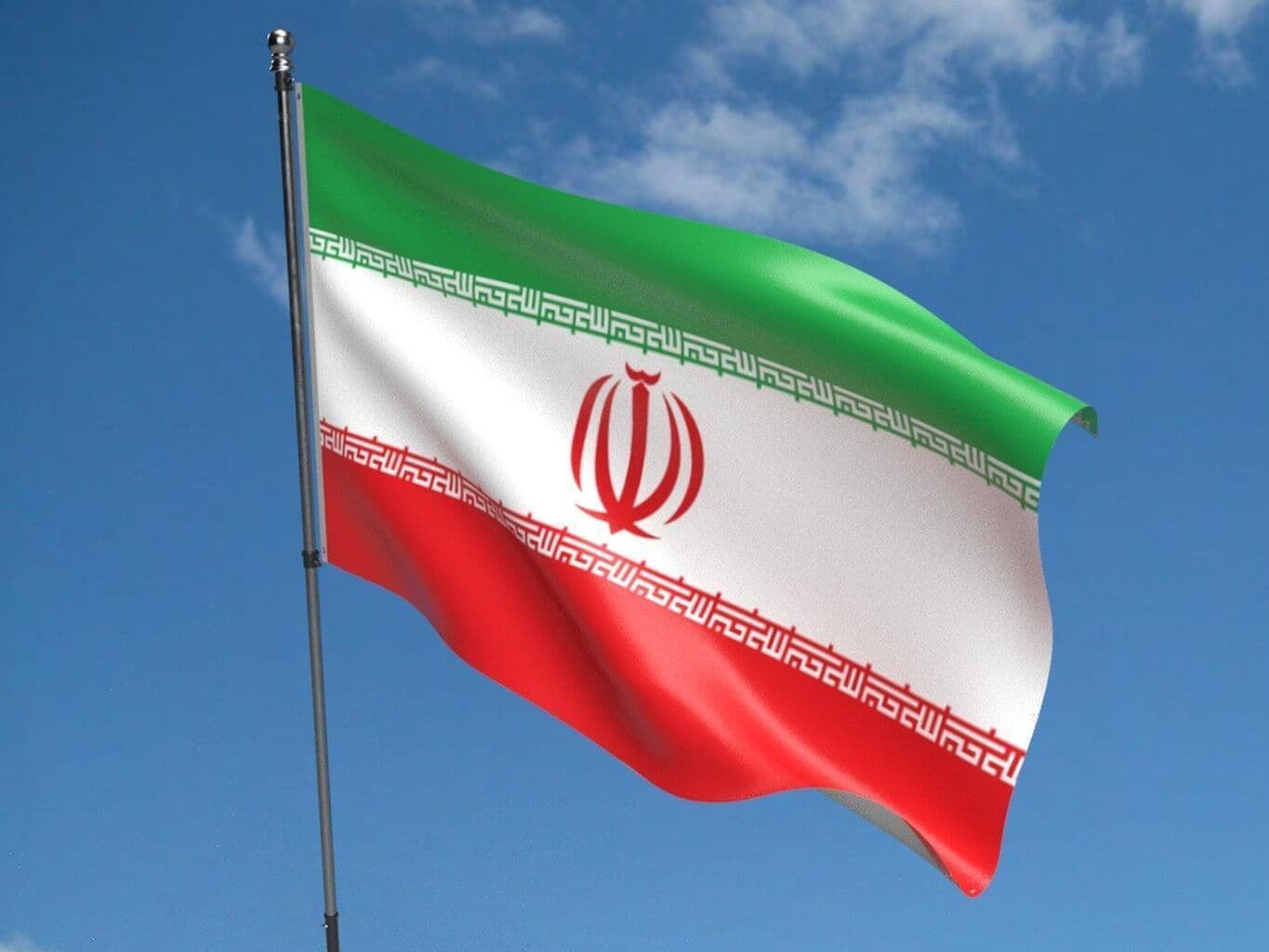
Iran’s response came fast. Deputy Foreign Minister Kazem Gharibabadi, who handles legal and international affairs, posted on X that the strait “has been Iranian, is Iranian, and will remain Iranian,” adding that it will only be opened and closed “under Iran’s command.”
He went further, telling Washington to “accept the reality of defeat and stop indulging in delusions,” and warned Iran would keep enforcing the blockade until it did.
The exchange lands against the backdrop of a conflict now closing in on six months old. Trump ordered what the administration called major combat operations against Iran on February 28, backed by joint US-Israeli strikes.
Since then, diplomacy has repeatedly stalled: a brief memorandum pausing hostilities collapsed in July amid mutual accusations of violations, and the American naval blockade of Iranian ports was reinstated shortly after.
The economic toll has been severe. Before the war, Hormuz carried roughly a fifth of the world’s oil and LNG exports. Shipping through the strait has since slowed to a fraction of pre-war levels; ship-tracking firm Kpler reported only six vessels transited the strait the previous weekend, down from the roughly 130 to 140 that typically passed each day before the fighting began.
That collapse in traffic has fed directly into US gas prices, turning Hormuz into a domestic political liability for Trump ahead of the midterms. He has been candid about the trade-off with voters, at one point urging supporters to accept slightly higher prices at the pump as the cost of denying Iran a nuclear weapon.
Trump’s territorial claim sits awkwardly with the strait’s actual legal status. It is not, and has never been, a sovereign possession of any one nation; the waterway currently falls under shared jurisdiction between Iran and Oman.
Analysts have pushed back publicly on the “US territory” framing: former US diplomat Richard Haass has argued that no single country actually controls Hormuz, while Fox News anchor Bret Baier noted transit through the strait has slowed to a trickle regardless of who claims authority over it.
This is not the first time Trump has floated an unconventional arrangement for the strait. He previously proposed the US could act as its “guardian” while levying a 20 percent toll on goods passing through, an idea legal experts say would run afoul of international law protecting free maritime transit.
Iran, notably, has entertained a similar ambition: officials have signaled interest in charging tolls of their own, a power Tehran never exercised before the war and one Washington would almost certainly contest.
A tentative roadmap for de-escalation does technically exist. Under a June understanding between Washington and Tehran meant to jump-start broader negotiations, Iran and Oman were to work out future management of the strait in consultation with other Gulf states, in keeping with international law.
Tehran said last week it had reached an arrangement with Muscat on a transit corridor and was finalizing joint management of the waterway, though attacks have continued regardless.
The most recent flashpoint involves the UAE’s state oil company, ADNOC. Abu Dhabi’s foreign ministry condemned an attack Friday night on a vessel linked to the firm as a “hostile Iranian attack,” the latest in a string of strikes on ADNOC-linked shipping that the UAE has pinned on Tehran.
Similar attacks in April triggered the collapse of an earlier US-Iran ceasefire, underscoring how fragile any renewed truce attempt would likely be.
Iran’s Houthi allies in Yemen have widened the pressure campaign further, imposing a parallel blockade on Saudi Arabia’s Red Sea ports, Riyadh’s only other major maritime export route, effectively squeezing Gulf oil shipping from two directions at once.
Tehran’s own conditions for reopening Hormuz, laid out last week by senior official Mohammad Bagher Zolghadr, remain steep: an end to what Iran calls the war and aggression against it and its regional allies in Lebanon, Palestine, Yemen and Iraq, the lifting of sanctions, release of frozen Iranian assets, and compensation for wartime damage.
For now, Vice President JD Vance’s stated ordering of US priorities controlling energy prices first, denying Iran a nuclear weapon second captures a war effort increasingly shaped as much by pump prices in swing states as by strategy in the Gulf.
With neither side showing appetite to blink, Hormuz looks set to remain both a military flashpoint and a political one deep into the fall campaign season.
WHAT YOU SHOULD KNOW
Trump’s talk of claiming Hormuz as US “territory” is likely more political theater than policy; even the White House called it a joke, and legal experts note no single country actually controls the strait.
But the underlying reality is deadly serious: a six-month war has cut Hormuz shipping to a trickle of its former volume, driven up gas prices for American voters, and shows no sign of resolution, with Iran’s blockade conditions and Washington’s demands still miles apart.
The rhetoric is noise; the blockade and its economic fallout are what actually matter.