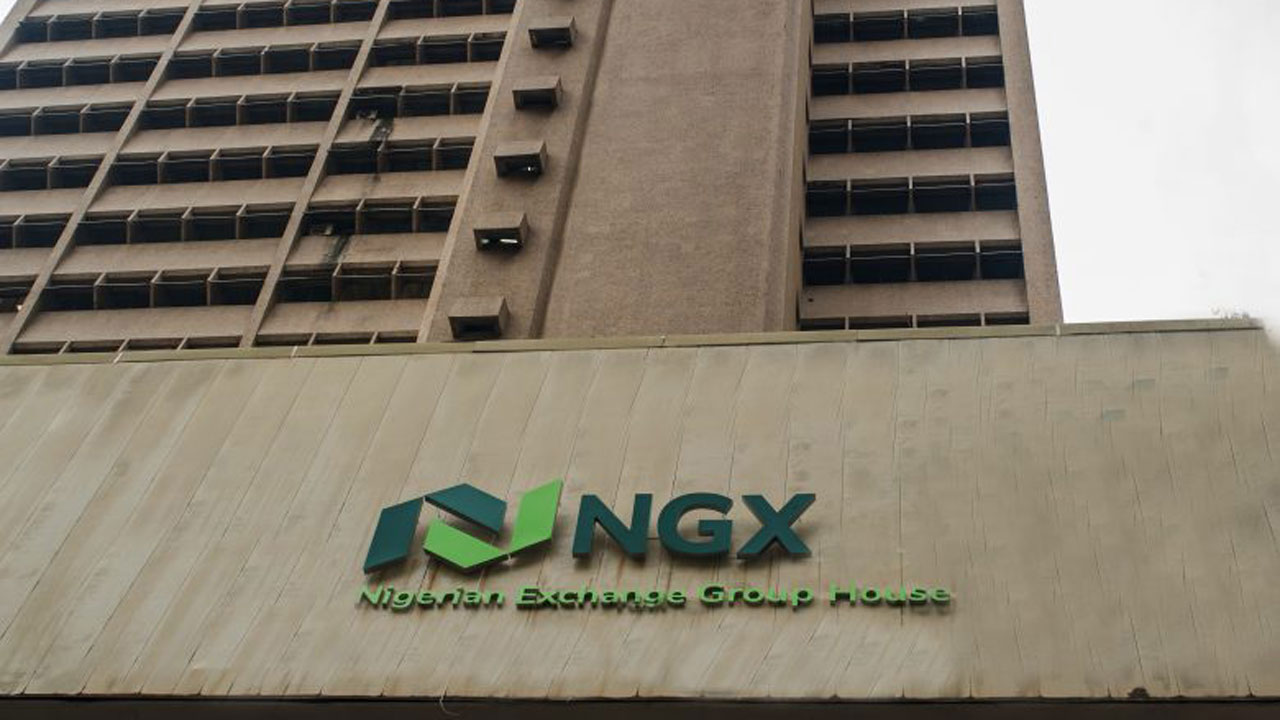
The Nigerian Exchange just closed out one of its roughest stretches of the year, with investors watching roughly N5.7 trillion in value evaporate over a single week as a wave of selling swept through the local bourse.
By the closing bell, the NGX All-Share Index had fallen 3.59% for the week, dragging total market capitalization down to N151.3 trillion from a much healthier perch just seven days earlier.
The slide was steep enough to erase the entirety of May’s rally in one stroke, a month that had added roughly N4.6 trillion to the market and looked, at the time, like confirmation that the year’s bull run still had legs.
It hasn’t worked out that way. Where April closed with the market valued near N156 trillion, and May pushed that figure up to about N160.6 trillion on a 3.24% monthly gain, June has told a very different story.
Three weeks into the month, the exchange has shed close to N9 trillion, a month-to-date decline approaching 5.8%, and there are still a few trading days left for the picture to worsen further.
Zoom out, and the index is still up an eye-catching 51.6% since the start of the year, down from a high-water mark near 60.9% recorded in May. That gap, nearly nine percentage points shaved off the year’s gains inside a few weeks, is the clearest evidence yet that this is not a market in freefall so much as a market catching its breath after an extraordinary run.
The breadth numbers tell the same story. Just 11 stocks closed the week higher, a sharp drop from 40 advancers the week before. Decliners, meanwhile, swelled to 78 names from 53, while 57 stocks were unchanged.
First HoldCo and GTCO were among the session’s heaviest casualties, sliding 20.2% and 15%, respectively, losses large enough on their own to drag the broader index lower.
Conversations with multiple capital market sources point to three distinct, but overlapping, explanations for the downturn.
The most straightforward is profit-taking. After a rally that lifted the index more than 60% at its peak, with select names posting triple-digit gains, it would be unusual not to see investors start locking in returns. Pullbacks of this kind tend to follow exceptional rallies almost as a matter of course, and analysts say this looks very much like that pattern playing out.
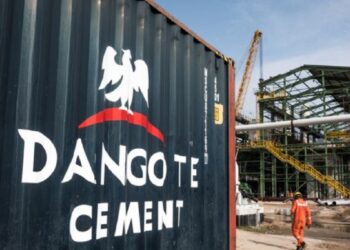
As companies pay out and shares adjust to trade ex-dividend, the index mechanically loses some ground, a recurring feature of this time of year rather than a sign of deteriorating sentiment on its own. UACN, Eterna, FCMB Group, Airtel Africa, Dangote Cement, and Champions Breweries all went ex-dividend in the most recent week, following earlier markdowns in Seplat Energy, Julius Berger, CAP, BUA Foods, and Jaiz Bank.
Individually, each adjustment is modest; stacked together over several weeks, they add up to a meaningful drag on the headline numbers.
The second major factor is the half-year portfolio reshuffle that institutional investors typically undertake as the calendar turns toward July. Fund managers use this window to rebalance away from equities and toward fixed income, particularly with yields as attractive as they currently are.
That appetite for safety was on full display at the latest one-year Treasury Bill auction, where subscriptions topped N1.86 trillion as investors chased a 17.34% yield, a rate that makes parking cash in government paper a very easy sell right now.
The third thread is more unusual and, arguably, the most consequential: the private placement tied to the Dangote Refinery, shaping up to be among the largest corporate capital raises in Nigerian history.
Sources close to the transaction say bids have already surpassed $5 billion, drawn primarily from high-net-worth individuals and institutional investors both onshore and offshore.
Market participants say some investors have been raising cash specifically to participate, and while much of the funding is believed to be coming from offshore pools and dedicated institutional capital, sources speaking on condition of anonymity suggest that a portion has been funded by liquidating existing equity positions, adding yet another layer of selling pressure to specific stocks across the exchange.
Taken together, the three forces of rally fatigue, dividend-season mechanics, and capital being redirected toward a generational private placement paint a picture of a market in transition rather than one in distress.
None of the underlying explanations points to a collapse in confidence in the Nigerian growth story; if anything, the scramble for liquidity ahead of the Dangote Refinery suggests investors remain eager to deploy capital, just not necessarily into the same listed names that carried the market through the first half of the year.
Still, with a handful of trading days left in June and portfolio rebalancing typically running through quarter-end, market watchers say further weakness cannot be ruled out before the month closes.
Whether July brings a rebound or simply confirms that May’s highs were the peak for now will likely hinge on how quickly the current round of profit-taking and reallocation runs its course.
WHAT YOU SHOULD KNOW
Nigeria’s market just lost N5.7 trillion in a week and wiped out all of May’s gains, but this isn’t a crisis, it’s a rotation.
The single biggest driver is the Dangote Refinery’s $5 billion+ private placement, which is pulling liquidity out of listed stocks as investors raise cash to participate.
Capital isn’t fleeing the market, it’s repositioning. The index is still up 51.6% year-to-date. The real story is where the money is going next, not that it’s disappearing.