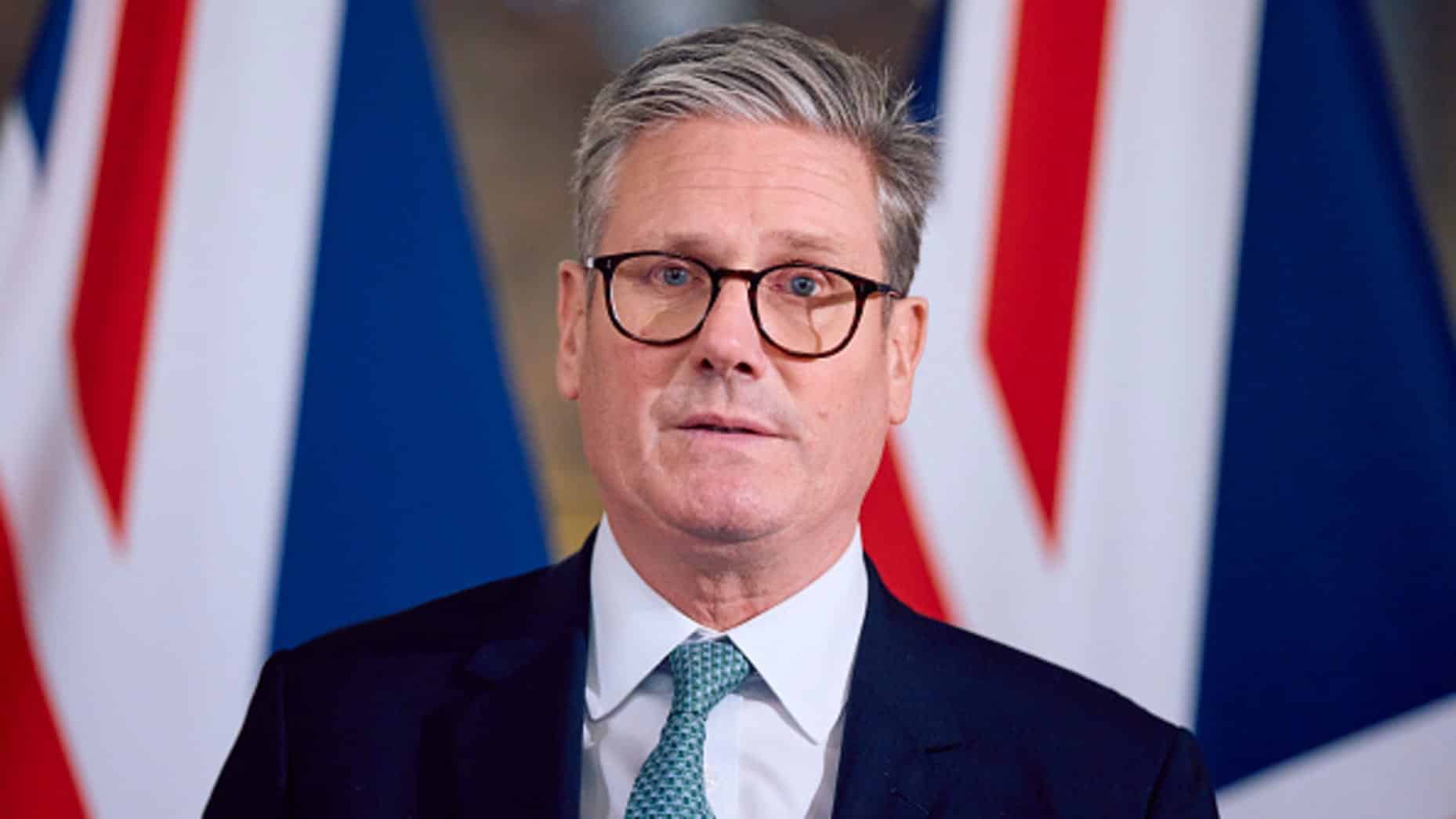
Just two years after sweeping to power on a wave of historic optimism, Keir Starmer stood outside 10 Downing Street on Monday and announced he was done.
His voice breaking, his composure barely holding, Starmer delivered the words that much of his own party and much of the country had long been waiting to hear.
“Every decision I have taken has been about putting the country I love first,” he said. “That is why I will resign as leader of the Labour Party.”
It was a remarkable fall from grace for a man who, in July 2024, had delivered Labour its most commanding election victory in a generation, ending 14 years of Conservative rule with a landslide majority of 172 seats.
That triumph, which rode a wave of popular discontent against years of right-wing austerity, seemed to promise a new chapter in British politics. Instead, it became the opening act of yet another chapter of instability in a country that has grown all too familiar with political turbulence.
The autopsy of Starmer’s tenure will be a long and painful one for the Labour Party. Facing a prolonged cost-of-living crisis, protests, U-turns, and scandals, Starmer’s popularity collapsed, and by the end of 2025, opinion polls rated him as one of Britain’s most unpopular prime ministers.
In December 2024, Starmer appointed prominent New Labour figure Peter Mandelson as Britain’s ambassador to the United States to strengthen relations with the incoming Trump administration. The gambit backfired spectacularly.
In September 2025, the extent of Mandelson’s relationship with convicted child sex offender Jeffrey Epstein became widespread knowledge following the release of the Epstein files.
Starmer dismissed Mandelson and said he regretted the appointment. The fallout was severe. Starmer’s own chief of staff, Morgan McSweeney, took responsibility for the appointment and resigned in February 2026.
There were other damaging decisions: welfare cuts that alienated labor’s traditional base, contentious defense spending plans that triggered a cascade of ministerial resignations, and a perceived inability to connect with voters on the fundamental issues of economic relief and public services.
Attacked from the right over his perceived failure to control illegal immigration, from the left over unpopular economic policies, and by many across the political spectrum over his lack of charisma and political vision, Starmer’s position had been deteriorating for months.
In May, more than 80 of Starmer’s Labour colleagues called on him to leave after disastrous local election results that saw Labour lose more than 1,100 council seats across England, while Reform UK, the Nigel Farage-led anti-immigration party that consistently led in nationwide opinion polls, won more than 1,450 seats.
In June 2026, the crisis deepened further following disputes over the government’s planned defense spending, which resulted in three more resignations from the Ministry of Defense: Defense Secretary John Healey, junior minister Al Carns, and a ministerial aide.
By mid-May 2026, over 95 Labour MPs had called on Starmer to resign or set out a timetable for his departure. Yet still he clung on, insisting until the weekend that he intended to fight, to remain, to see out his mandate. Then came the by-election that changed everything.
Josh Simons resigned as the MP for Makerfield to allow Andy Burnham to stand in the resulting by-election. Burnham, the former Greater Manchester mayor and veteran Labour politician, confirmed he would seek to become the Labour candidate and won the by-election with 54.8% of the vote on 18 June 2026.
With Burnham now holding a parliamentary seat, the path to a formal leadership challenge was open, and many Labour MPs immediately expressed hopes of avoiding a messy, drawn-out contest, with some calling for Burnham to emerge as the only serious challenger and effectively be handed the keys to Downing Street.
Starmer conceded that Labour colleagues had been asking whether he was best placed to lead the party into the next general election. “I have heard the answer from my parliamentary party. I accept that answer with good grace,” he said.
Starmer confirmed he will remain in post as a caretaker prime minister while the party conducts a leadership contest. Nominations to replace him as Labour leader will open on July 9, and if a challenger emerges to Burnham, a new leader will be in place by September when Parliament returns from the summer recess.
In the now-looming leadership contest, candidates need the support of 20% of Labour MPs to be considered. If more than one clears that threshold, a vote will be held among party members and supporters. Burnham is the overwhelming favorite.
Despite the ignominy of his exit, Starmer took a moment to defend his record. He touted improvements in workers’ rights, bigger defense spending, and lifting a million children out of poverty, “all because of the choices that I made,” he said.
He also earned some quiet praise for his handling of global conflicts, sometimes appearing more at home on the international stage than when wrestling with the details of domestic policy.
His decision to keep Britain out of the Iran War, a stance that even his critics have since called brave and principled, was cited as a rare example of principled statecraft.
But the verdict of the British public has been stark. An Ipsos poll published on Friday suggested that 52% of the British public believed Starmer should stand down as prime minister.
Monday’s announcement lands with cruel timing: it comes one day before the 10th anniversary of the Brexit referendum, the vote that set Britain on the path to its extraordinary cycle of political implosion.
The referendum was sold as a chance to settle Britain’s relationship with Europe and restore political stability. Instead, it has been followed by years of division, leadership crisis, and constant upheaval.
As Starmer spoke, pro-European protesters outside Downing Street played “Ode to Joy,” the anthem of the European Union, a pointed, almost theatrical reminder of the earthquake that started it all.
Starmer had long insisted he intended to see out his full five-year term, which began with the 2024 landslide victory that delivered Labour a historic majority in the House of Commons. In the end, he lasted less than two years.
Britain, which has now had seven prime ministers in the space of a decade, is once again in search of stable leadership. Whether Andy Burnham or any successor can provide it remains the defining question of a country that seems, for now, unable to stop reinventing itself at the top.
WHAT YOU SHOULD KNOW
Keir Starmer’s resignation boils down to one core truth: he won power convincingly but proved unable to wield it effectively.
A string of self-inflicted scandals, deeply unpopular policies, and catastrophic local election losses eroded his authority until his own party forced him out.
Britain now has its seventh prime minister in a decade, a damning indictment not just of Starmer, but of a country still searching for stable leadership in the fractured post-Brexit landscape.