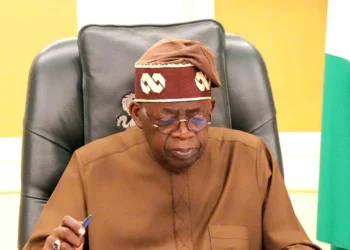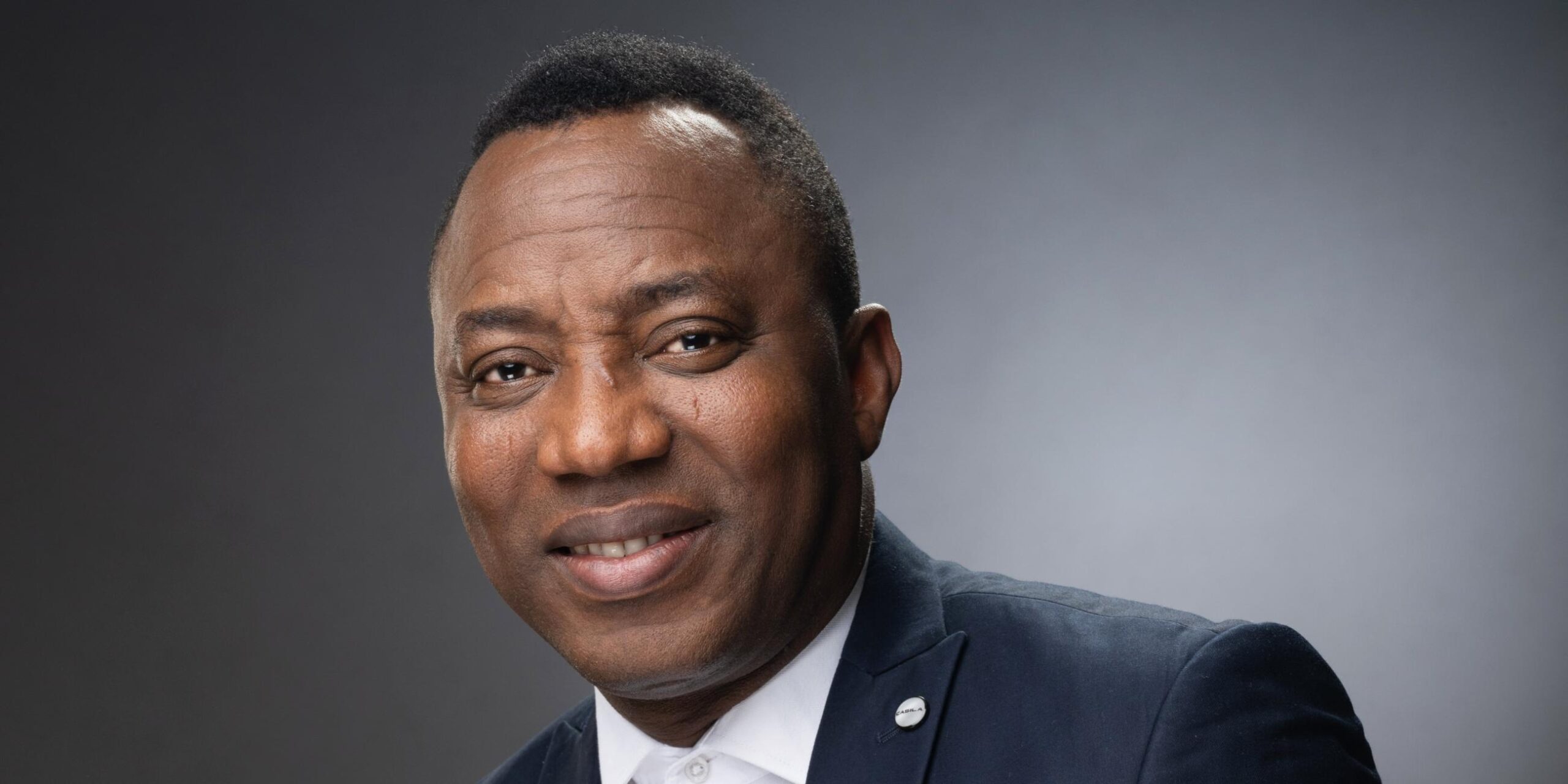
Omoyele Sowore, presidential aspirant of the African Action Congress (AAC) and prominent activist, was on Monday remanded at the Kuje Correctional Centre in Abuja, as the legal battle surrounding his prosecution by the Department of State Services (DSS) takes a dramatic new turn.
Justice Mohammed Umar of the Abuja Division of the Federal High Court ordered that Sowore remain in custody until June 24, when the court is scheduled to hear his application to set aside an earlier order that revoked his bail.
The ruling effectively strips the firebrand activist of his freedom, at least temporarily, in what is shaping up to be one of the more politically charged cases before the Nigerian judiciary in recent months.
The sequence of events leading to Sowore’s remand began on June 16, when Justice Umar revoked the bail previously granted to the activist after he failed to appear in court for his scheduled trial. His absence, unexplained at the time, proved costly.
Acting swiftly on an oral application brought before the court by Akinkolu Kehinde, a Senior Advocate of Nigeria (SAN) appearing on behalf of the DSS, Justice Umar not only remanded Sowore but also issued a bench warrant for his arrest, a significant judicial escalation that signals the court’s diminishing patience with what it apparently views as a disregard for its processes.
Sowore was subsequently brought before the court and remanded at Kuje, one of Nigeria’s most high-profile correctional facilities, which has previously held several politically sensitive detainees.
At the heart of the prosecution lies a controversy rooted firmly in Nigeria’s turbulent political climate. The DSS alleges that Sowore made false and defamatory claims against President Bola Tinubu by publicly referring to him as “a criminal” in posts shared across his X (formerly Twitter) and Facebook accounts.
The government’s security agency contends that such statements constitute a criminal offense, a position that has drawn sharp reactions from civil liberties advocates and press freedom organizations who argue the prosecution amounts to a dangerous weaponization of the justice system against political dissent and free speech.
Sowore, a former presidential candidate who has made no secret of his opposition to the Tinubu administration, is no stranger to legal confrontations with Nigerian authorities. His supporters have consistently maintained that his prosecutions are politically motivated, a charge the government has repeatedly denied.
All eyes now turn to June 24, when the Federal High Court will determine whether to set aside the bail revocation order. Should the court rule in Sowore’s favor, he could walk free pending the continuation of his trial.
A ruling against him, however, could mean a prolonged stay behind bars as the case grinds through Nigeria’s notoriously slow judicial machinery.
Legal analysts note that the outcome of the June 24 hearing will be closely watched, not only for its implications for Sowore personally but also for what it may signal about the boundaries of free expression in Nigeria under the current administration.
For now, Omoyele Sowore sits in Kuje, defiant in spirit, according to those close to him, but constrained by the full weight of the Nigerian state.
WHAT YOU SHOULD KNOW
Omoyele Sowore, activist and AAC presidential aspirant, is currently detained at Kuje Correctional Centre in Abuja after a Federal High Court revoked his bail following his absence from trial.
He will remain in custody until June 24, when the court rules on whether to restore his bail. At the core of his prosecution is a social media post in which he called President Bola Tinubu “a criminal,” a charge the DSS classifies as criminal but one that many see as a direct assault on free speech and political opposition in Nigeria.
Whatever the outcome, this case raises a critical question every Nigerian must confront: where does the line between free expression and criminal liability truly lie in today’s Nigeria?