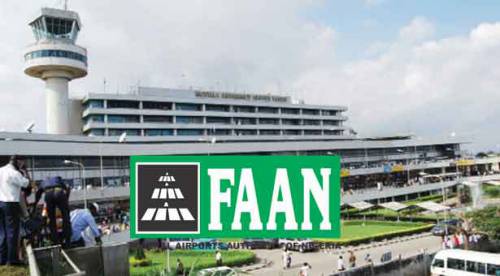
The aviation regulator said it is considering extending the deadline for airport cab operators to upgrade their vehicles to October 2026, but made clear, in unmistakable terms, that this would be the last such concession operators should expect.
The announcement, coming after more than two years of back-and-forth between the authority and the Association of Private Cab Operators, marks a significant hardening of FAAN’s position as it pushes to modernize ground transportation services at airports across the country.
The vehicle upgrade directive is not new. FAAN’s records show the policy was first tabled in July 2024, when operators were formally notified of the new requirements.
Since then, the compliance deadline has been moved twice, first to January 2026 and again to June 2026, each time in response to appeals from operators citing economic hardship.
Now, with June 2026 having arrived and full compliance still out of reach, the authority says it is weighing one final lifeline: a push to October 2026.
“In further demonstration of goodwill and consideration, FAAN is currently considering a final extension of the compliance deadline until October 2026,” the authority stated in its announcement. “This additional period is expected to provide adequate opportunity for operators to align with the required standards.”
FAAN did not merely announce the extension it framed it as an act of grace while drawing a firm line in the sand. Operators, the authority made clear, should not plan around a fourth reprieve.
At the heart of the dispute is a straightforward but significant demand: that cab operators serving Nigeria’s airports retire ageing, substandard vehicles and replace them with newer models that meet FAAN’s prescribed specifications.
The authority’s argument for the policy is rooted in the passenger experience. Airport transportation, FAAN notes, is frequently the very first and last point of contact a traveler, whether Nigerian or foreign, has with the country. A battered, unreliable cab at the arrivals terminal sends a message that no tourism campaign can easily undo.
“Airport transportation services are often among the first and last experiences travelers have when entering or leaving the country,” the authority noted, framing the upgrade not as bureaucratic overreach but as a matter of national image and passenger dignity.
For FAAN, the policy sits within a broader reform agenda aimed at benchmarking Nigerian airport operations against global standards, an ambition that extends well beyond cab fleets to infrastructure, safety protocols, and service delivery across the board.
The vehicle upgrade dispute has been further inflamed by a separate but related controversy: FAAN’s decision to revise its operational charges for airport cab operators from ₦500 to ₦1,500, a tripling of the previous rate.
Operators have pushed back hard against the increase, but FAAN defended the adjustment on grounds that few economists would dispute.
The previous ₦500 tariff, the authority pointed out, had remained unchanged for more than eight years, frozen in time even as inflation surged, the naira depreciated sharply, and the cost of maintaining critical infrastructure climbed steadily.
“The adjustment from ₦500 to ₦1,500 should therefore be viewed within the context of prevailing economic realities and the need to sustain critical airport infrastructure and services,” the authority stated.
In plain terms, FAAN’s position is that a charge left untouched since roughly 2017 through years of economic turbulence that have eroded the purchasing power of the naira by a staggering margin was never a sustainable baseline. The revision, it argues, is not punitive. It is overdue.
One of the sharper accusations leveled by the Association of Private Cab Operators has been that FAAN failed to adequately consult them before rolling out the new requirements. The authority rejected this claim outright.
FAAN insisted that it maintains “regular communication with licensed airport transport service providers through an established stakeholder engagement framework” and drew a pointed distinction that reveals much about the nature of the dispute.
The authority noted that its contractual and regulatory relationships are conducted directly with registered cab companies operating within airport premises, not with associations or unions that claim to represent them.
FAAN appears to be signaling that industry associations, however vocal, do not carry the same legal or regulatory standing as the individual licensed operators who are party to agreements with the authority. It is a distinction that could have consequences for how future negotiations are structured and who gets a seat at the table.
With October 2026 now the likely final deadline, the clock is ticking for operators who have yet to begin or complete the upgrade process.
Those who fail to comply when and if the final extension takes effect will face consequences that FAAN has not yet spelled out, but which are widely expected to include license revocation or removal from airport premises.
For passengers, the reforms, if they hold promise, offer a markedly improved experience on the ground: newer vehicles, greater safety, and more reliable service from the moment they land.
For FAAN, the coming months represent a test of institutional resolve. Having issued what amounts to a last warning, the authority’s credibility now rests on its willingness to follow through.
The October deadline, it seems, will be the one that counts or the one that reveals whether Nigeria’s aviation reformers mean what they say.
WHAT YOU SHOULD KNOW
Nigeria’s airport cab operators are running out of time and excuses. After more than two years of extensions, FAAN is drawing a firm line in October 2026 and means it.
The core message is: Upgrade your vehicles and accept the revised tariffs, or risk losing your operating license. With the ₦500 operational charge frozen for over eight years and passenger experience at stake, FAAN’s demands are neither sudden nor unreasonable.
For travellers, this reform promises better, safer ground transportation. For operators, the window to comply is closing, and this time, there will be no fourth chance.