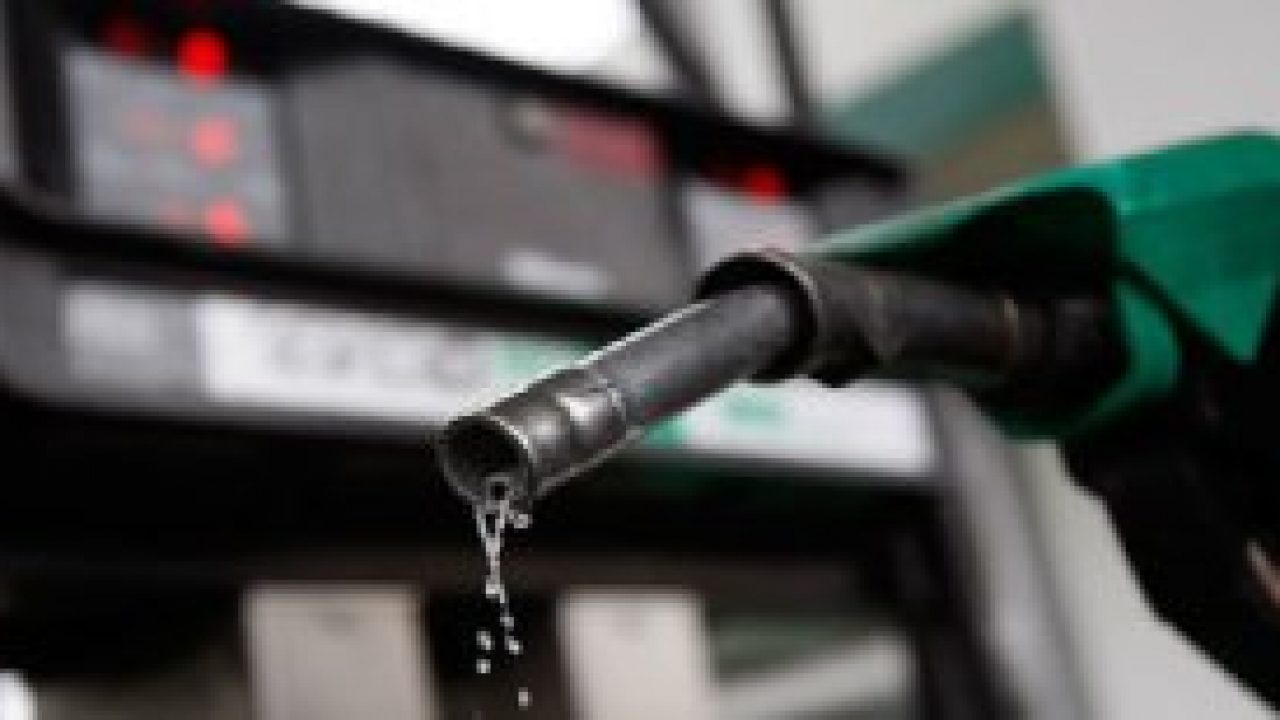
Wednesday marked a turning point for Nigerian consumers as prominent petroleum marketers nationwide took steps to bring down the cost of petrol at the pump.
The Nigerian National Petroleum Company Limited (NNPCL) led the charge in the nation’s capital, adjusting its pump price downward from N1,364 to N1,335 per liter, a reduction of N29.
Hot on the heels of the state oil giant, independent marketers NIPCO and AA Rano followed suit, lowering their respective prices from N1,350 and N1,370 to N1,330 and N1,350 per liter, each recording a drop of N20. Several other retail filling stations across Abuja also revised their pricing in line with the trend.
The development comes days after the Dangote Refinery, Africa’s largest single-train refinery with a capacity of 650,000 barrels per day, slashed its gantry petrol rate by N25 per liter late last month. Gantry prices, which refer to the cost at which petroleum products leave the refinery depot for distribution, have a direct bearing on what consumers eventually pay at the pump.
The downstream market has been watching closely ever since, and Wednesday’s adjustments confirm that the pricing signal from Aliko Dangote’s mega-refinery is beginning to reverberate across the supply chain.
For millions of Nigerians grappling with the lingering burden of high living costs, a situation exacerbated by the removal of the fuel subsidy, even a modest reduction at the pump carries significant weight.
A saving of N20 to N29 per liter, while incremental, could translate to hundreds of naira per fill-up for everyday commuters and commercial drivers, who have long borne the brunt of volatile fuel pricing.
Industry stakeholders are cautiously optimistic that this is only the beginning. Alhaji Abubakar Maigandi, President of the Independent Petroleum Marketers Association of Nigeria (IPMAN), confirmed that the price adjustments now underway are directly tied to fresh stock sourced from the Dangote Refinery.
He further indicated that a broader wave of reductions is imminent, stating that more filling stations across the country would cut their pump prices as soon as they received new supplies from the Lekki-based facility.
“The marketers are responding to market forces,” a source familiar with the negotiations told our correspondent. “As more stations take delivery from Dangote, the competitive pressure to reduce prices will only grow.”
The Dangote Refinery, which began fuel distribution to the domestic market in 2024, has increasingly positioned itself as a pivotal force in reshaping Nigeria’s downstream petroleum sector, a market that for decades was held hostage by import dependency, foreign exchange volatility, and chronic supply shortfalls.
As of the time of filing this report, the price adjustments appeared largely concentrated in Abuja, though industry sources suggest similar reductions are expected to cascade to Lagos, Port Harcourt, and other major cities as fresh stock from the refinery reaches distribution networks nationwide.
Motorists and transport operators are advised to monitor pump prices at their local filling stations, as further reductions may be on the horizon.
WHAT YOU SHOULD KNOW
The recent petrol price reductions by NNPCL, NIPCO, and AA Rano are a direct consequence of the Dangote Refinery’s decision to cut its gantry rate, and this is only the beginning.
As more filling stations receive fresh stock from the 650,000-barrel-per-day refinery, Nigerians can expect further price drops at the pump nationwide.
The Dangote Refinery is now functioning as a powerful market force, driving competition and delivering the kind of pricing relief that Nigerians have long awaited since the removal of the fuel subsidy.