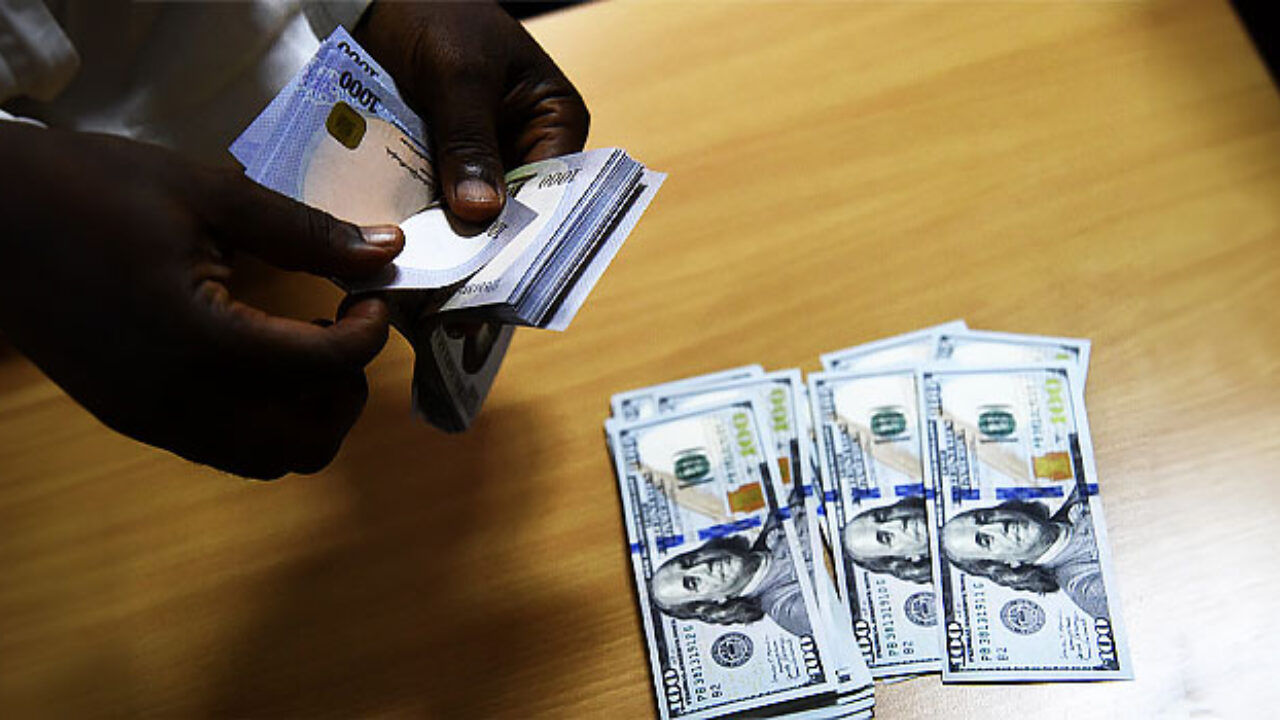
The Nigerian naira maintained a relatively stable position in the official foreign exchange market on Tuesday, trading at ₦1,373.25 to the US dollar, according to fresh data released by the Central Bank of Nigeria (CBN).
Market trackers monitoring transactions on the Nigerian Foreign Exchange Market (NFEM) showed the local currency oscillating within a tight band of ₦1,370 to ₦1,372 per dollar for much of the trading session.
This comes as participants continue to navigate a forex environment still shaped by supply constraints and steady demand from importers.
While the official window reflected this modest stability, a noticeable gap persisted in the parallel market, where dealers quoted the greenback between ₦1,395 and ₦1,405.
The roughly ₦25–₦30 premium underscores the lingering segmentation between the two markets despite ongoing reforms aimed at improving liquidity and transparency.
Financial analysts tracking the currency say the naira’s trajectory in the short term will hinge on several critical variables:
Foreign exchange inflow, particularly from oil exports, diaspora remittances, and foreign portfolio investments.
Import demand, which has remained elevated amid Nigeria’s reliance on foreign goods for manufacturing inputs, refined petroleum, and consumer staples.
External reserve levels, which serve as a key buffer for defending the currency.
Broader market sentiment, which is influenced by both domestic policy signals and global economic developments.
“The naira appears to have found some equilibrium in the official market for now, but sustainability will depend on consistent dollar supply,” one forex analyst noted. “Any significant uptick in oil production and timely repatriation of export proceeds could provide much-needed support.”
Nigeria’s currency has endured considerable volatility in recent years following the unification of exchange rate windows and the shift toward a more market-driven regime.
While these reforms have helped narrow the gap between official and parallel rates and boosted transparency, challenges such as fluctuating crude oil revenues, Nigeria’s primary foreign exchange earner, and high import bills continue to test the naira’s resilience.
As of Tuesday, the CBN’s latest interventions and efforts to boost non-oil exports appear to be providing a floor, but analysts caution that without structural improvements in forex supply, the currency could face renewed pressure in the coming weeks.
Traders and businesses are closely watching the CBN’s next moves, especially regarding reserve management and monetary policy alignment with fiscal authorities.
For now, the naira trades with cautious optimism in the official segment, even as the parallel market continues to reflect the everyday realities of currency demand across Africa’s largest economy.
WHAT YOU SHOULD KNOW
The naira remained stable at ₦1,373.25 per US dollar in the official market on June 2, trading within the ₦1,370–₦1,372 range. However, it traded at a premium in the parallel market between ₦1,395 and ₦1,405.