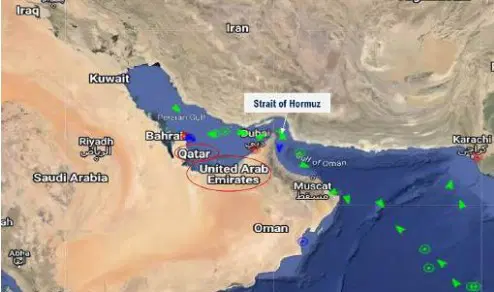
At least eight oil and gas tankers crossed the Strait of Hormuz on Saturday after Iran briefly declared the vital trade route open during a ceasefire in the ongoing Middle East conflict.
According to maritime tracking data from Kpler, the vessels included one crude oil tanker, four liquefied petroleum gas carriers, two oil and chemical tankers, and one classified as an “oil products” vessel, all of which transited the strait early Saturday following Iran’s announcement on Friday.
The strait, a critical global shipping route through which about a fifth of the world’s oil and liquefied natural gas typically passes in peacetime, had seen traffic drop sharply since the conflict escalated on February 28 with US and Israeli strikes on Iran.
Data from MarineTraffic showed that several other crude oil tankers approached the strait but turned back near Iran’s Larak Island, a key checkpoint for vessels navigating the Gulf under the watch of Iranian forces enforcing restrictions in the area.
However, Iran’s central military command later appeared to reverse its decision to reopen the route, announcing a return to “strict management” of the strait in response to what it described as a US naval counter-blockade.
The earlier closure of the strait by Iranian forces has left hundreds of vessels stranded in the Gulf, contributing to rising global oil prices and increased shipping costs, as captains avoid the area due to fears of attacks or naval mines.
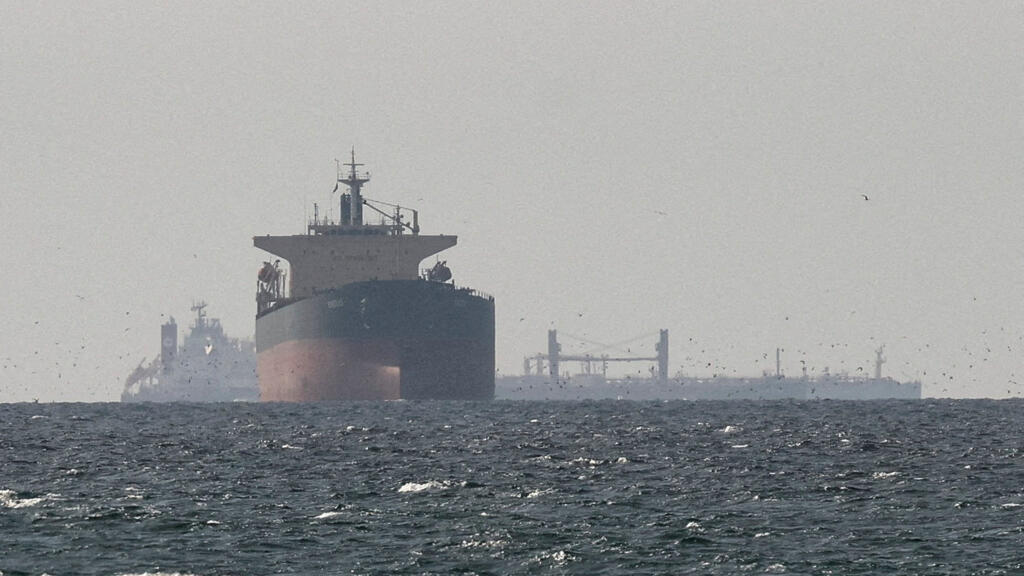
Reports indicated that at least three of the vessels that exited through the strait on Saturday were under US sanctions, while some ships broadcast destinations linked to India or China as a signal of neutrality.
MarineTraffic also tracked several cargo vessels in the strait, including container ships associated with major French shipping company CMA CGM.
In a notable development, the cruise ship Celestyal Discovery became the first passenger vessel to pass through the strait since the conflict began. The ship reportedly sailed close to Oman’s coastline after remaining docked in the UAE for about 47 days.
“Reports indicate the vessel is sailing without passengers,” MarineTraffic said in a post.
Despite the temporary reopening, the global shipping industry remains cautious. Jakob Larsen, chief security officer of BIMCO, warned that uncertainty remains over potential mine threats in Iranian-controlled maritime zones.
“BIMCO believes shipping companies should consider avoiding the area,” he said.
What you should know
The Strait of Hormuz is one of the world’s most critical energy corridors, making any disruption a major concern for global markets.
The brief reopening allowed limited tanker movement, but Iran’s reversal underscores ongoing instability in the region. With a significant portion of global oil and gas supply passing through the strait, tensions can quickly impact fuel prices and international trade.
Shipping companies remain cautious due to security risks, including mines and military activity, highlighting how geopolitical conflicts in the Middle East continue to influence global energy security and economic stability.